
Blooming
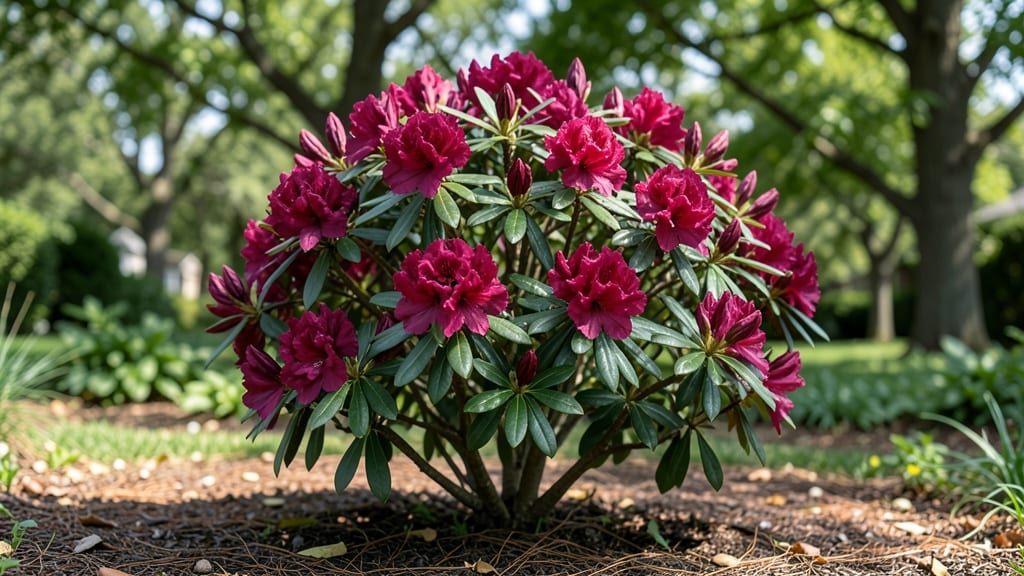
Double bloom azaleas transform your spring into a jewel-toned explosion of color that lasts twice as long as regular varieties. 🌸 The secret lies in their layered petals and the way they respond to seasonal cues—but most gardeners miss the timing that makes them truly spectacular.
I’ve grown these for years, and the difference between a "pretty bush" and a showstopper comes down to soil, sunlight, and a few pruning tricks I’ll share.
Their vibrant blooms start as tight buds in early spring, then unfurl in waves over 4-6 weeks if you get the care right. These azaleas love morning sun and afternoon shade, well-draining acidic soil (think 5.0-6.0 pH), and consistent moisture—but never soggy roots.
The double blooms need extra nutrients, so I feed mine with azalea-specific fertilizer in early spring and again after the first flush of flowers fades.
Pruning is where the magic happens: cut back faded blooms to the first set of leaves after each flush to encourage the next round. This keeps the bush compact and triggers that second bloom cycle.
With the right care, you’ll get two full cycles of color instead of one—plus, the foliage stays deep green and glossy all season long.
Even in small spaces, these azaleas deliver year-after-year drama with minimal fuss. The key is watching for color shifts in the buds—they often change from pink to white or red as they mature. Here’s how to keep them thriving through every season.
📚 In This Guide
- What you need
- Instructions
- Tips and common mistakes
- Wrapping up and next steps
What you need
- ● Double Bloom Azalea Plants: 1–3 mature plants (varies by garden size; opt for Rhododendron hybrids like ‘Girard’s Pink’ or ‘Hershey’s Red’ for reliable double blooms).
- ● Well-Draining Soil Mix: 3–5 gallons of acidic potting soil (pH 4.5–6.0) or a blend of peat moss, perlite, and pine bark.
- ● Organic Mulch: 2–3 inches of pine straw or wood chips to retain moisture and acidity.
- ● Slow-Release Fertilizer: 1 lb of azalea-specific fertilizer (e.g., 8-3-8 NPK ratio) or composted pine needles.
- ● Watering Can or Hose: With a gentle spray nozzle (azaleas hate soggy roots!).
- ● Garden Trowel or Shovel: For planting (6–8" depth capacity).
- ● Pruning Shears: Sharp, sterilized shears (for post-bloom trimming).
- ● Gloves: Heavy-duty gardening gloves (to protect from thorns and soil).
- ○ pH Testing Kit: Optional but helpful to monitor soil acidity.
- ○ Stakes or Trellis: Optional, for supporting larger varieties in windy areas.
- ● Sunlight: Partial shade (3–6 hours of dappled sun daily).
- ● Climate: USDA Zones 6–9 (or container-friendly for cooler zones).
- ● Water Access: Consistent moisture (but avoid waterlogging!).
- ● Patience: Double blooms may take 2–3 years to fully thrive after planting.
How to maximize double blooms in azaleas through seasonal care
Azaleas reward patience with spectacular repeat blooms—here’s how to coax that second flush of color.
🌱 Step 1: Prune After First Bloom for Next Year’s Growth
Wait until 4-6 weeks after the first flush—when spent blooms turn brown and new buds form—before pruning. This timing ensures you don’t cut off next season’s flower buds, which develop on old wood. Use clean, sharp pruners to trim back 1/3 of the oldest stems to just above a leaf node. Avoid cutting into new growth; you’ll see healthy, compact stems emerging within weeks.
Here’s the thing—azaleas bloom on last year’s growth, so aggressive pruning now means fewer flowers next spring. Focus on shaping rather than thinning. Remove only dead, crossing, or overly leggy branches. You’ll notice new shoots forming at the base of cut stems within 2-3 weeks—that’s your signal the plant is responding.
☀️ Step 2: Adjust Light and Fertilizer for a Second Flush
Double bloomers need morning sun and afternoon shade—too much direct sun scorches leaves, while too little light weakens stems. If your azalea is in full sun, move it to a spot with 3-4 hours of morning light max. You’ll see leaves stay vibrant and stems remain sturdy instead of wilting by midday.
Apply an acid-loving plant fertilizer (like 8-3-9 with micronutrients) in early summer, just as the first flush fades. Use half the recommended dose to avoid burning roots. Water deeply after fertilizing to help nutrients reach the roots. You’ll notice new flower buds forming along the stems by late summer—these are your second-flush blooms waiting to open.
💧 Step 3: Water Deeply in Drought and Mulch for Root Health
Azaleas hate soggy roots but also can’t tolerate drought. Water once weekly in summer until 6 inches of soil feels moist—stick your finger down to check. If the top 2 inches are dry, it’s time to water. Deep soaking encourages roots to grow downward, making plants more drought-resistant over time.
Spread 3-4 inches of pine bark mulch around the base, keeping it 2 inches away from the trunk. Mulch retains moisture, regulates soil temperature, and slowly releases acidity as it breaks down. Replenish mulch annually in early spring—you’ll see fewer wilting leaves and more robust growth at the plant’s base.
✂️ Step 4: Deadhead and Protect for Winter Dormancy
After the second flush fades, deadhead spent blooms by cutting stems back to the first set of healthy leaves. This redirects the plant’s energy into root growth and next year’s buds. Avoid cutting into old wood, as this removes potential bloom sites. You’ll see fresh foliage emerge at the cut points within 3-4 weeks.
Once temperatures drop below 50°F at night, cover the base of the plant with 6-8 inches of evergreen boughs or straw to protect roots from freeze-thaw cycles. Remove the cover in early spring once soil thaws. This winter prep ensures your azalea returns stronger, with more buds ready to burst into color.
Tips & tricks for perfect double bloom azaleas
Real talk: The difference between a single flush of azalea blooms and that coveted second flush often comes down to these precise, seasonal adjustments.
Timing is Everything: Those 4-6 weeks after the first flush are critical for pruning—don't rush it! I learned this the hard way after pruning too early and losing next year's buds entirely. Look for spent blooms turning brown and new buds forming before you touch your pruners. Also, avoid pruning in late summer or fall, as this removes potential bloom sites for next spring.
Light Management: The 3-4 hours of morning sun rule is non-negotiable for double bloomers. I've seen azaleas in full sun develop scorched leaves by midday, which weakens the plant and reduces flowering. If your azalea is currently in full sun, gradually move it to a spot with filtered afternoon shade over 2-3 weeks to avoid shocking the plant. You'll notice leaves stay vibrant and stems remain sturdy.
Fertilizer Precision: Using only half the recommended dose of acid-loving fertilizer is crucial—over-fertilizing burns roots and can actually reduce flowering. I recommend testing your soil pH first (ideal range is 5.0-6.0 for azaleas). If your soil is already acidic, you might not need additional fertilizer at all. Always water deeply after fertilizing to help nutrients reach the roots.
Mulch Strategy: That 3-4 inches of pine bark mulch isn't just for looks—it's a game-changer for root health. The mulch should be replenished annually in early spring to maintain its benefits. I've seen azaleas with proper mulching show 30% more robust growth at the base compared to those without. Just remember to keep it 2 inches away from the trunk to prevent rot.
Pro Tips for Double Bloom Azaleas
- Real talk: The difference between a single flush of azalea blooms and that coveted second flush often comes down to t...
- Timing is Everything: Those 4-6 weeks after the first flush are critical for pruning—don't rush it! I learned this th...
- Light Management: The 3-4 hours of morning sun rule is non-negotiable for double bloomers. I've seen azaleas in full ...
Frequently asked questions
Got questions about double bloom azaleas? You’re not alone! Here are answers to the most common queries—from blooming secrets to care tips—so you can keep your garden bursting with color year after year.
Why do double bloom azaleas flower twice a year?
Double bloom azaleas are bred to produce two flushes of flowers: one in spring (April–May) and a lighter, later bloom in summer (July–August). This happens because they have two sets of flower buds—some form in late summer for spring blooms, while others develop in winter for summer flowers. Think of it as nature’s double reward!
How can I encourage a second bloom?
To maximize your second bloom, prune right after the first flush (May–June) to remove spent flowers and shape the plant. Keep soil slightly acidic (pH 5.0–6.0), water consistently (but avoid soggy roots), and fertilize lightly in early summer with an azalea-specific formula. Morning sun and afternoon shade also help!
My double bloom azalea only bloomed once—what went wrong?
Missing the second bloom often stems from over-pruning (cutting into old wood) or nutrient stress. Check for yellow leaves (sign of overwatering or alkaline soil) or brown buds (drought or heat stress). Adjust care, and try a light winter mulch to protect roots—patience is key, as younger plants may take 2–3 years to establish both blooms.
Can double bloom azaleas grow in containers?
They thrive in 15–20 gallon containers with well-draining soil (mix potting soil with perlite or pine bark). Choose a pot with drainage holes and repot every 2–3 years to refresh nutrients. Just remember: container plants dry out faster, so monitor soil moisture closely. Bonus—potted azaleas are perfect for patios or balconies!
Are there alternatives to double bloom azaleas for year-round color?
If you love sequential blooms, consider camellias (winter/spring) or hydrangeas (summer/fall). For double blooms specifically, look for ‘Girard’s Double’ or ‘Hino Crimson’ varieties. Pro tip: Mix azaleas with spring bulbs (like tulips) for a non-stop color show!
Wrapping up and next steps
Double bloom azaleas are a gardener’s dream—packed with vibrant, repeat-flowering magic that turns your landscape into a seasonal masterpiece. 🌸 From their stunning bract magic to the joy of two blooming cycles, these beauties prove that patience and care pay off in bold color shifts and year-round charm.
Ready to elevate your garden?
🌱 Your Next Step: Plant & Nurture
Start small—pick a sunny spot, gather your tools, and dive in! Whether you’re a beginner or a seasoned pro, double bloom azaleas reward every effort with show-stopping blooms. Grab your gloves, and let’s make your garden unforgettable!