
Blooming
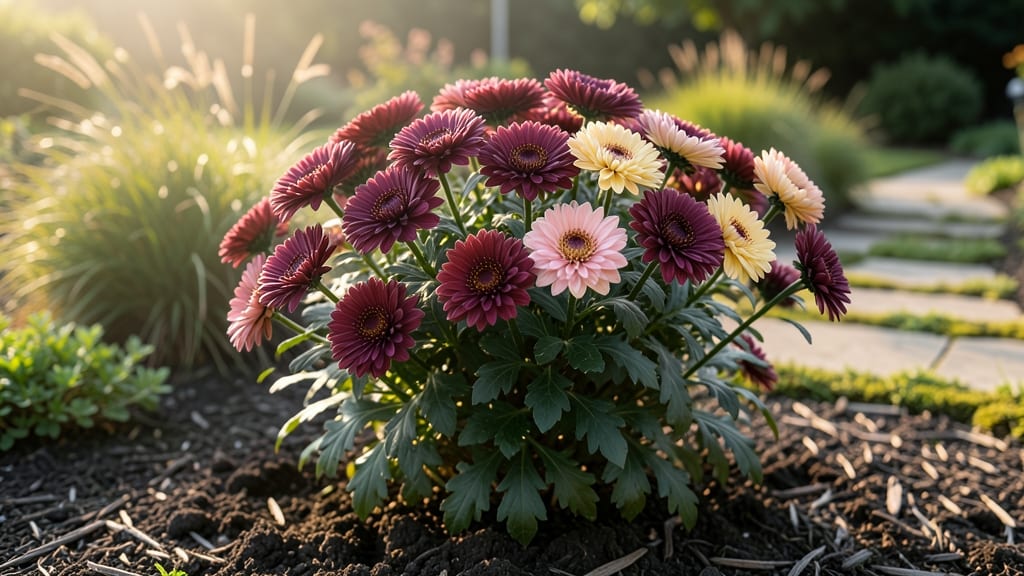
Mums don't typically bloom in summer because their flowering cycle is triggered by shorter daylight hours in fall. Most varieties rest during summer heat, though some heat-resistant types may produce limited blooms. With the right care, you can encourage vibrant fall reblooming for a second burst of color.
Mums are actually fall-bloomers by nature, with their growth cycle designed to respond to cooling temperatures and reduced daylight. 🌿 The heat of summer often causes them to go dormant, conserving energy until conditions improve.
I've seen gardeners extend the blooming season by providing afternoon shade and consistent moisture—this helps mums recover faster when fall arrives. Heat-tolerant varieties like 'Autumn Joy' might still produce a few flowers, but they'll really shine once temperatures drop.
What many people don't realize is that proper summer care sets the stage for fall blooming. Regular deadheading (removing spent flowers) redirects the plant's energy toward new growth rather than seed production.
I recommend using a balanced fertilizer with higher phosphorus content in late summer to support root development and flower buds. The key is patience—mums reward attentive gardeners with dramatic fall displays when given the right conditions.
💡 In This Article
- Why Mums Skip Summer Blooming: Light, Heat, and Growth Cycles
- Encouraging Fall Reblooming: Pruning, Fertilizing, and Heat Management
Why mums skip summer blooming: light, heat, and growth cycles
Mums are what botanists call short-day plants, meaning their flowering is triggered by decreasing daylight hours—typically around 12-14 hours of daylight or less.
During summer's long days (often 14-16 hours of sunlight), these plants receive a signal to conserve energy rather than produce flowers. 🌞 The key hormone here is florigen, which only activates when daylight drops below a critical threshold.
This explains why you'll rarely see mums blooming in June or July, even in ideal conditions.
Heat exacerbates this natural dormancy. Most mum varieties thrive in temperatures between 60-75°F, but summer heat (often exceeding 85°F in many regions) stresses the plants, causing them to redirect resources toward survival rather than reproduction.
The roots may even go slightly dormant to prevent water loss through transpiration. Heat-tolerant varieties like 'Autumn Beauty' can handle 90°F temperatures better, but they still prioritize leaf production over flowers during peak summer.
Annual mums (often grown from seed each year) follow this cycle strictly, while perennial mums may show some resilience. Perennials store energy in their roots, allowing them to bounce back more aggressively when fall arrives.
The difference lies in their root systems—perennials develop deeper, more extensive roots that act as energy reserves. This is why established perennial mums often produce a second flush of blooms in late fall after their initial summer dormancy period.
Daylight length plays a more predictable role than temperature. As days shorten in late summer (typically after August 21st in the Northern Hemisphere), mums receive the photoperiodic signal to begin flower bud formation.
This process takes about 6-8 weeks, which is why gardeners who start caring for mums in late July often see dramatic fall blooming by September or October. The transition isn't instantaneous—it's a carefully timed biological response to environmental cues.
What's fascinating is how mums use this dormancy period strategically. During summer, they focus on building chlorophyll-rich leaves that will later support the energy demands of flowering. The larger the leaf canopy by fall, the more robust the subsequent bloom display.
This is why proper summer care—like consistent watering and light pruning—directly impacts fall performance. 🌿 The plant essentially "saves up" for its big seasonal show.
One common misconception is that mums bloom continuously. In reality, most varieties produce just one primary flush of flowers per season, with some heat-tolerant types offering a modest second wave.
The timing of this secondary blooming depends on the variety—some like 'Purple Dome' may rebloom in early fall, while others wait until late October. Understanding this cycle helps gardeners set realistic expectations and care appropriately.