
Flowers
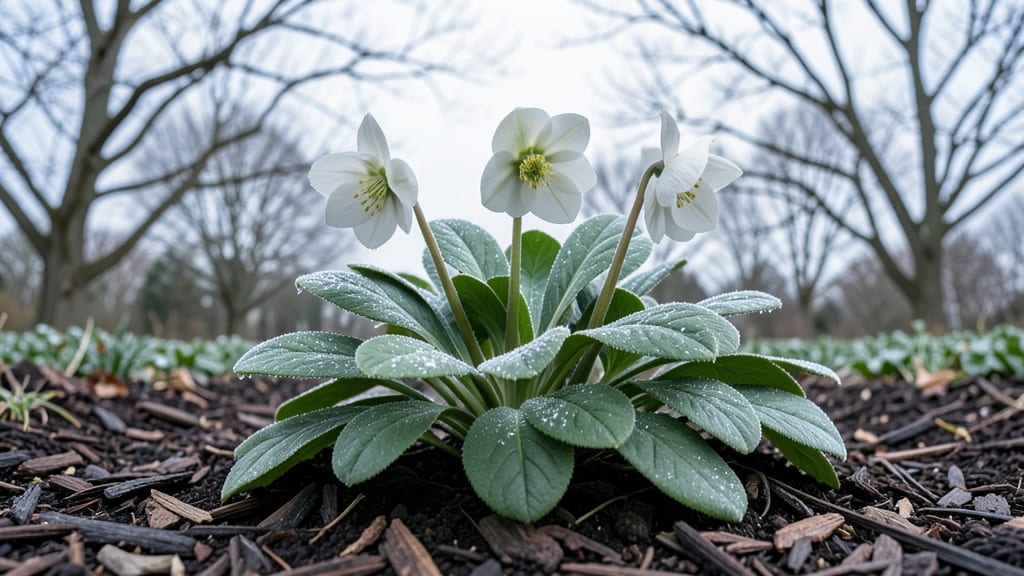
Winter-blooming flowers that thrive outside bring color and life to your garden even when temperatures drop, proving that cold seasons don’t have to be colorless.
Picture this: a crisp December morning, frost clinging to the grass, and yet your garden bursts with delicate blooms—hellebores, snowdrops, and winter jasmine standing tall against the chill. That’s the magic of cold-hardy flowers, and they’re easier to grow than you might think.
From USDA Zone 3 to Zone 8, these resilient plants need the right soil prep, mulching, and sunlight to shine. I’ll walk you through the top varieties, their care secrets, and how to extend their blooming season with simple protective measures.
Ready to transform your winter garden into a vibrant escape? Let’s dive into the easiest ways to keep your flowers blooming beautifully, no matter how cold it gets.
Top 10 cold-hardy flowers that thrive in winter blooms
Winter gardens don’t have to be dull—some flowers bloom beautifully even when temperatures drop. These cold-hardy varieties bring color and life to your outdoor space when most plants are dormant. From delicate snowdrops to vibrant winter jasmine, these plants thrive in frost and even snow.
The key is selecting varieties that match your USDA hardiness zone and providing the right growing conditions.
Many winter-blooming flowers prefer partial shade to protect them from harsh winds, but some tolerate full sun. Proper soil drainage and mulching techniques are essential to prevent root damage.
Below, I’ve curated the top 10 cold-hardy flowers that will keep your garden vibrant all season long, even when the mercury drops.
One of my favorite winter bloomers is the helleborus, also known as the Lenten rose. These evergreen perennials produce stunning flowers in shades of white, pink, purple, and green.
They thrive in USDA zones 3-9 and prefer partial shade, making them perfect for woodland gardens or shaded borders. Their long bloom time from late winter to early spring ensures color when little else is growing.
For a bright pop of yellow, winter jasmine is unbeatable. This deciduous shrub blooms in late winter with fragrant, star-shaped flowers. It’s incredibly frost-resistant and thrives in full sun, making it ideal for sunny garden spots.
Just be sure to prune it after blooming to encourage new growth for next year.
If you love delicate, early blooms, snowdrops are a must-have. These tiny white flowers often appear in late winter, signaling the end of dormancy.
How to create a stunning winter garden with year-round color
A winter garden doesn’t have to be a forgotten corner of your yard. With the right plant selection and strategic design, you can create a vibrant space that thrives even in freezing temperatures.
The key lies in understanding how to layer plants for continuous color and protect them from harsh winter elements. Start by choosing cold-hardy perennials that bloom in winter, like hellebores or winter jasmine, and pair them with evergreens for structure.
Before planting, focus on soil preparation—amend your garden beds with organic matter like compost to improve drainage and warmth retention. Cold soils can stunt root growth, so aim for a well-draining mix that holds moisture without becoming waterlogged.
Test your soil’s pH and adjust it if needed, as most winter-blooming flowers prefer slightly acidic to neutral conditions.
🌱 Top Flowers That Bloom in Winter Outside
- Hellebores – Blooms Dec-Feb, thrives in shade, USDA Zones 4-9
- Winter Jasmine – Bright yellow flowers, full sun, Zones 5-8
- Snowdrops – Early bloomer, partial shade, Zones 3-9
- Cyclamen – Delicate pink/purple flowers, shade-tolerant, Zones 5-9
- Winter Aconite – Golden blooms, sun to partial shade, Zones 4-8
- Pansies – Hardy annuals, full sun to partial shade, Zones 3-11
- Camellias – Evergreen shrubs with winter flowers, acidic soil, Zones 7-10
Choose based on your USDA zone and sunlight exposure for best results.
Mulching is another critical step for winter gardens. Apply a 3-4 inch layer of organic mulch, like straw or shredded leaves, to insulate plant roots and retain moisture. Avoid piling mulch directly against stems to prevent rot, but keep it close enough to protect from temperature fluctuations.
This simple step can extend the blooming season by weeks and reduce the risk of frost damage.
Optimize sunlight exposure by placing taller plants on the north side of your garden to avoid shading shorter winter bloomers. South-facing beds receive the most light during winter, making them ideal for sun-loving varieties like winter jasmine.
If your garden is in a shady spot, opt for shade-tolerant plants like hellebores or cyclamen, which thrive under tree canopies.
Don’t overlook the power of container gardening for winter color. Use insulated pots and wrap them in burlap to shield roots from freezing temperatures. Group containers together to create microclimates that trap warmth.
Choose frost-resistant varieties like pansies or winter aconite for instant color, and move containers to sheltered spots during extreme cold snaps.
Finally, plan for seasonal maintenance. Prune dead or damaged foliage in early spring to encourage new growth, but avoid heavy pruning in winter, as it can stress plants. Fertilize lightly in early spring with a balanced, slow-release fertilizer to support blooming.
With these strategies, your winter garden will stay vibrant and full of life, even when snowflakes start to fall. 🌸