
Blooming
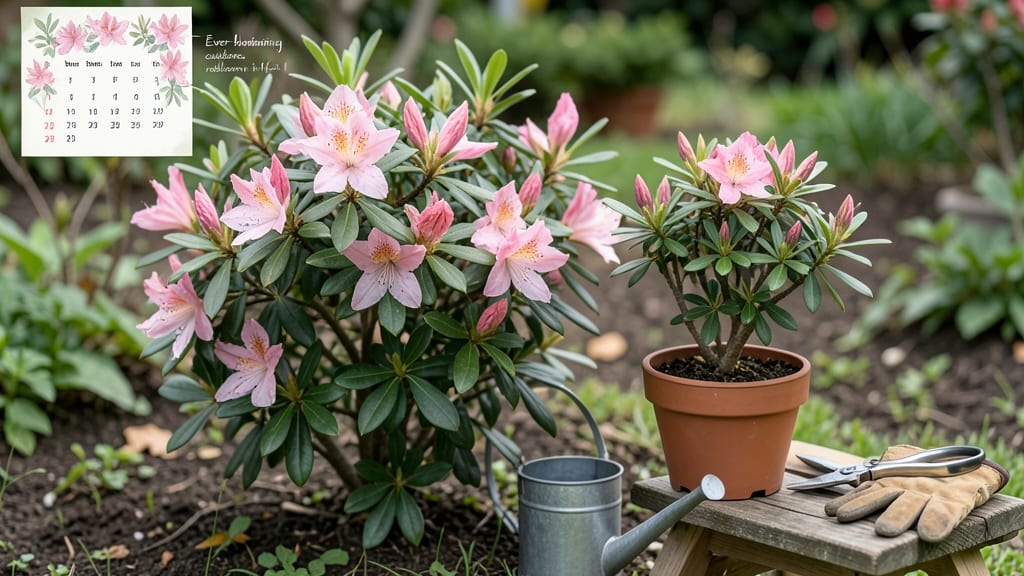
Azaleas don't bloom all year; they primarily flower in spring, with some reblooming varieties producing occasional fall blooms. Their flowering patterns depend heavily on species and local climate, especially in warmer regions where tropical azaleas may extend their bloom seasons.
Azaleas are seasonal bloomers by nature, with most varieties syncing their peak flowering to spring's mild temperatures and increasing daylight. 🌸 The key difference lies in species—evergreen azaleas often have longer bloom windows than deciduous types, while tropical varieties in warmer climates might produce sporadic summer or fall flowers.
I've seen this firsthand in my garden: my Knap Hill azalea blooms reliably in April, while my Southern Indica variety occasionally puts on a late-summer show when nights stay warm.
What's fascinating is how climate zones affect this cycle. In colder regions, azaleas typically rest after spring blooms, conserving energy for next year. But in USDA zones 8-10, the milder winters and extended growing seasons can trigger reblooming in certain hybrids.
This is why gardeners in Florida or Southern California often enjoy longer display periods—those tropical azaleas simply have different biological triggers.
💡 In This Article
- Azalea Bloom Cycles: Species and Climate Influences
- Extending Azalea Bloom Seasons: Pruning and Care Tips
Azalea bloom cycles: species and climate influences
Azalea blooming patterns are primarily dictated by their species classification—evergreen versus deciduous—and their evolutionary adaptations to specific climates. Evergreen azaleas, like the popular Rhododendron x 'Girard's Pink', typically bloom for 4-6 weeks in spring, thanks to their ability to retain leaves year-round, which allows them to photosynthesize continuously.
Deciduous azaleas, however, often have shorter bloom windows (2-3 weeks) because they enter dormancy after flowering, conserving energy for next season's growth.
The climate zone you're in plays a crucial role in determining bloom frequency. In USDA zones 3-6, azaleas follow a strict spring bloom cycle triggered by chilling hours (typically 300-900 hours below 45°F) during winter, followed by warming temperatures.
But in zones 7-10, tropical azaleas like Rhododendron simsii can produce sporadic blooms in fall or even winter when nighttime temperatures stay above 50°F. This is why you'll see azaleas flowering in December in Miami but not in Chicago—the biological triggers are completely different.
Daylight exposure is another critical factor. Azaleas are short-day plants, meaning they flower in response to decreasing daylight hours in fall or increasing daylight in spring.
However, reblooming hybrids (like 'Bowl of Beauty') have been selectively bred to respond to both triggers, producing two bloom cycles per year—once in spring and again in fall. The catch?
These hybrids require consistent moisture and balanced fertilization to sustain their energy demands, or they'll skip the second bloom entirely.
Temperature fluctuations also influence bloom quality. A sudden late-spring frost can damage buds, while extreme heat waves during flowering can cause buds to drop prematurely. In my experience, azaleas in zone 8 often produce their best blooms when daytime temperatures hover between 60-75°F and nights stay above 45°F.
This sweet spot ensures buds open fully without stress, resulting in longer-lasting flowers. 🌸
One fascinating exception is the Kurume azaleas, which are known for their compact growth and ability to rebloom with proper care.
These Japanese varieties can produce three bloom cycles per year in ideal conditions—spring, summer, and fall—though this requires monthly deadheading (removing spent blooms) and regular feeding with acid-loving plant fertilizer. The trade-off? They demand more maintenance than single-bloom varieties but reward gardeners with near-continuous color when conditions are right.
For gardeners in transitional zones (like zone 7b), microclimates can make a dramatic difference. A south-facing wall or a sheltered spot can create 5-10°F warmer conditions than the surrounding area, potentially extending bloom seasons by 2-4 weeks.
This is why urban gardens often show longer azalea blooms—the "heat island" effect of pavement and buildings creates localized warmth that triggers additional flowering cycles.
Here's what most gardeners don't realize: azaleas actually produce flower buds the year before they bloom. The energy collected through photosynthesis during the growing season is stored in the roots and stems, which is why proper fall care (like mulching and avoiding heavy pruning) is critical for next year's flowers.
This biological lag explains why azaleas in poor soil conditions often have weaker blooms—they simply don't have enough stored energy to support abundant flowering. ✨