
Blooming
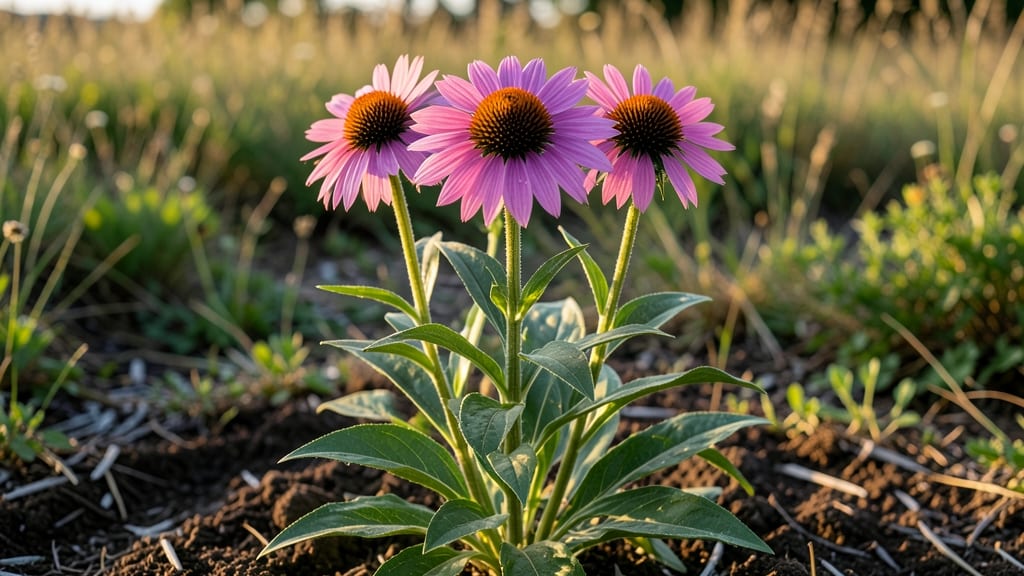
Perennials don't always bloom every year, as their flowering cycles depend on factors like growth stage, sunlight exposure, soil quality, and seasonal conditions. While many established perennials flower annually, others may skip years or need specific conditions to trigger blooms consistently.
Whether a perennial blooms yearly depends on its growth phase—young plants often focus energy on root development rather than flowers. 🌱 For example, peonies typically wait 2-3 years before their first bloom, while established daylilies may produce flowers annually if given proper care.
Environmental stress like drought or poor soil can also delay flowering, as plants prioritize survival over reproduction. Understanding these patterns helps gardeners set realistic expectations and create ideal growing conditions.
Even when perennials skip a year, they're not necessarily dying—they might be storing energy for future blooms. Some, like coneflowers, bloom more prolifically after a rest year, while others, such as hostas, may only flower when fully mature.
This natural variability is why gardeners often mix perennials with different bloom cycles to ensure year-round color in their landscapes.
💡 In This Article
- Why Some Perennials Skip Blooming in Certain Years
- How to Encourage Reliable Perennial Flowering
Why some perennials skip blooming in certain years
The flowering cycle of perennials is deeply tied to their biological maturity and energy reserves. Young plants, especially those in their first 1-3 years, often prioritize root and foliage growth over flower production.
For instance, peony plants typically require 2-3 years to establish a strong root system before they produce their signature lush blooms. This energy allocation ensures the plant's long-term survival, much like how a teenager focuses on growth before reproductive maturity. 🌱
Environmental factors play a critical role in triggering—or delaying—flowering. Perennials like black-eyed Susans need 6-8 hours of direct sunlight daily to bloom consistently, while hostas may skip flowering if deprived of adequate moisture during their active growing season (spring to early summer).
Even well-established plants can experience stress from drought, poor soil drainage, or nutrient deficiencies, causing them to redirect energy toward recovery rather than reproduction. For example, a daylily might produce fewer blooms in a high-nitrogen soil because excess nitrogen promotes leafy growth at the expense of flowers.
Dormancy cycles also influence blooming patterns. Many perennials, such as coneflowers, undergo a rest period in winter where they store energy in their roots.
After a dormant year, these plants often bloom more prolifically in their second or third year as a survival strategy to ensure reproductive success when conditions are optimal. This "rest-and-bloom" cycle explains why some gardeners notice delayed but more abundant flowering after a year of minimal blooms.
Pests and diseases can further disrupt flowering. Japanese beetles, for example, can defoliate plants like iris or daylilies, forcing them to divert energy toward regrowing leaves instead of producing flowers.
Even fungal infections, such as powdery mildew on phlox, can weaken plants to the point where they skip blooming entirely. The key takeaway is that perennials often bloom inconsistently as a survival mechanism, not a sign of poor health.
Seasonal timing also matters. Some perennials, like lupines, are short-day plants, meaning they bloom only when daylight hours shorten in late summer or fall. Others, such as bearded iris, are long-day plants and require 14+ hours of daylight to trigger flowering.
If planted in regions with shorter growing seasons, these plants may skip blooming altogether until conditions align with their natural rhythms. 🌿
Finally, genetic factors come into play. Some perennials, like heuchera (coral bells), are primarily grown for their foliage and may produce only minimal flowers. Others, such as Russian sage, are prolific bloomers once mature but may skip years if stressed.
Understanding these variations helps gardeners choose plants that align with their climate and care capacity, ensuring a more predictable—and beautiful—garden.