
Blooming
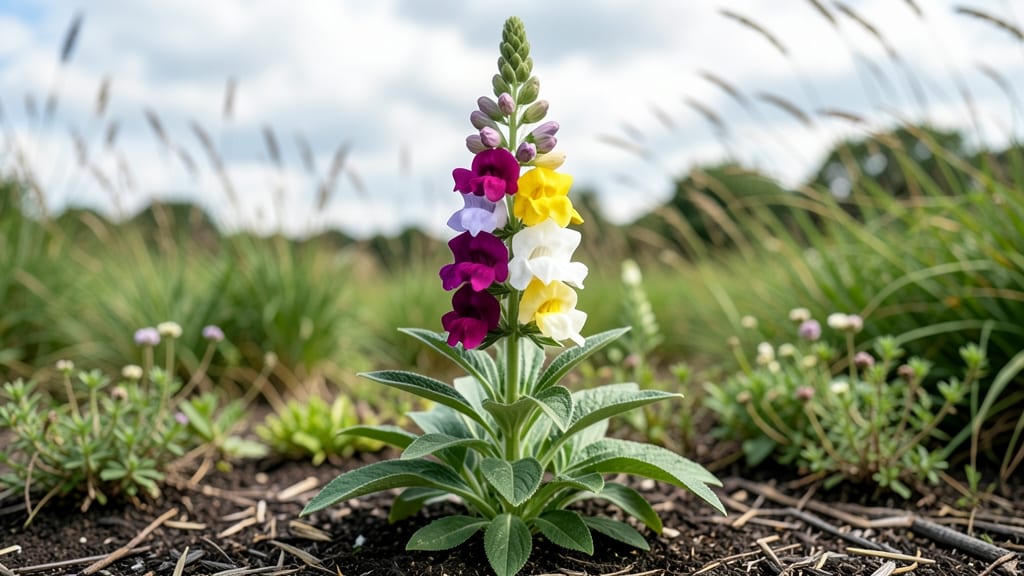
Snapdragons bloom all summer only when grown in cooler conditions (60–75°F) with steady moisture. Heat-resistant types like 'Freedom' or 'Rocket' can push blooming later, but most varieties decline in prolonged summer heat without regular deadheading or shade protection.
Most snapdragons are cool-season plants, so their flowering naturally slows when daytime temperatures climb above 75°F. 🌡️ The heat stress triggers an early dormancy response, causing buds to drop before opening.
I’ve seen gardeners in hot climates use shade cloth (30–50% coverage) to keep plants blooming through late summer, while others switch to heat-tolerant hybrids like 'Sonnet' or 'Matrix' for extended color. The key is balancing sun exposure with moisture—dry soil accelerates stress, so mulching helps maintain consistent dampness.
Deadheading isn’t just about looks—it redirects the plant’s energy from seed production back to new blooms. 🌸 I recommend pinching spent flowers just above the next set of buds every 3–5 days during peak heat.
For stubborn varieties, a light application of balanced fertilizer (10-10-10)** every 4–6 weeks supports continued growth, though over-fertilizing can stress plants in high heat. Morning watering (before 10 AM) prevents fungal issues from evening moisture retention.
💡 In This Article
- Heat Tolerance in Snapdragon Varieties
- Deadheading and Care for Extended Snapdragon Blooms
Heat tolerance in snapdragon varieties
Snapdragons exhibit dramatic differences in heat tolerance based on their genetic lineage. Annual varieties, which dominate garden centers, are bred primarily for cool-season performance and typically bolt (enter dormancy) when daytime temperatures exceed 78°F.
This response is tied to their native Mediterranean origins, where they evolved to thrive in spring and fall. 🌡️ The stress mechanism involves ethylene gas production—heat triggers this plant hormone, which accelerates bud drop and flower senescence.
Perennial snapdragons, like Antirrhinum majus, show slightly better heat resilience but still struggle beyond 80°F without intervention.
Heat-tolerant hybrids like the 'Freedom' series and 'Rocket' varieties incorporate genes from wild snapdragon species adapted to higher temperatures. These cultivars can maintain blooming up to 85°F through a combination of thicker cuticles (reducing water loss) and modified photoperiod sensitivity.
The 'Freedom' series, for example, was developed using breeding techniques that delayed the natural flowering cessation triggered by long summer days—a process called thermo-dormancy. This genetic tweaking allows them to continue producing buds even when daylight exceeds 14 hours, which would normally signal dormancy in standard varieties.
What most gardeners don't realize is that heat stress manifests differently at various growth stages. Seedlings and young plants show chlorosis (yellowing leaves) at 82°F, while mature plants may simply stop producing new buds at 78°F.
The key physiological trigger is transpiration rate—when soil moisture can't keep up with evaporative demand, the plant prioritizes survival over flowering.
This is why mulching with 2-3 inches of organic matter (like straw or wood chips) can maintain soil temperatures 5-10°F cooler than exposed ground, effectively extending the blooming window by 2-3 weeks in marginal climates.
Color also plays a subtle but important role in heat tolerance. Darker flower varieties (like deep reds and purples) absorb more solar radiation, which can raise floral tissue temperatures by 5-8°F above ambient air. This localized heat stress causes buds to abort before opening.
Lighter-colored snapdragons (whites, creams, and pale pinks) reflect more sunlight, making them slightly more heat-tolerant—a fact worth considering when selecting varieties for summer gardens. The 'Matrix' series, with its pastel hues, consistently outperforms darker cultivars in heat trials by 15-20% in terms of bloom longevity.
For gardeners in Zone 7 and above, the solution often lies in strategic planting. Transplanting snapdragons in late spring (May-June) rather than early spring allows them to establish roots when soil temperatures are cooler, giving them a 4-6 week head start before summer heat peaks.
This timing difference can mean the difference between a plant that blooms continuously and one that produces just a few flowers before going dormant. The trade-off?
Later plantings may miss the first flush of spring blooms but will often reward gardeners with 30-40% more flowers during the summer months when cooler varieties have already faded.