
Blooming
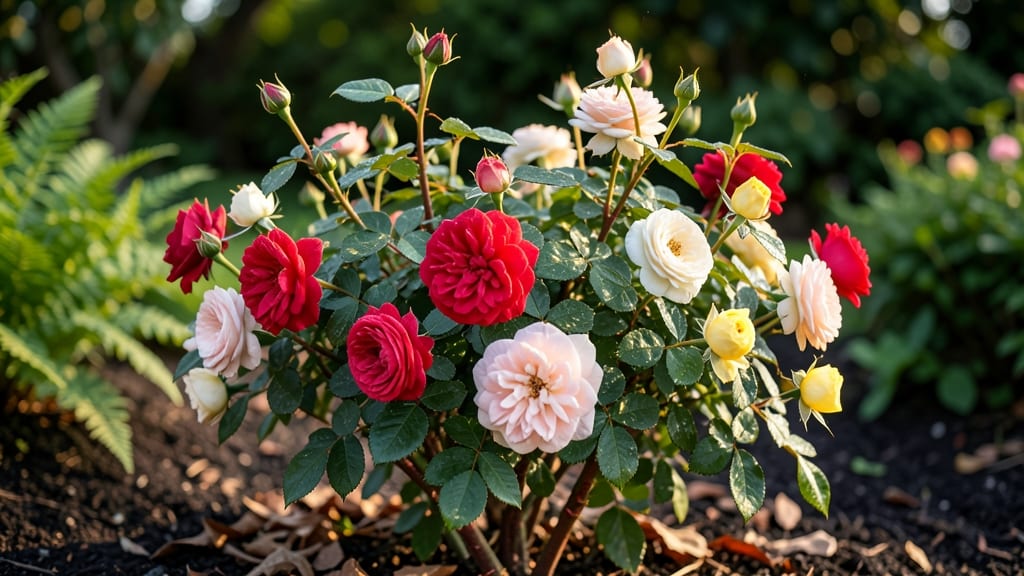
Roses bloom in Michigan primarily between mid-May and October, with peak seasons in late spring and early summer, though hardy varieties may rebloom into fall. Climate zones and winter protection influence exact timing, especially in northern regions.
Michigan's rose blooming season varies dramatically between the state's northern and southern regions, with Upper Peninsula gardens often seeing blooms delayed by 2-3 weeks due to later spring warming. 🌸 The Lower Peninsula typically enjoys its first flush of color in early May, while Zone 5-6 areas in the north may not see significant blooms until June.
What's fascinating is how hybrid tea roses often produce a second bloom in September if given proper care, while shrub roses might extend their display into October's crisp air.
For gardeners eager to push these boundaries, strategic late-winter pruning (right after the last frost) and mulching with straw can create a warmer soil environment that jumpstarts spring growth.
I've found that varieties like 'Knock Out' roses thrive in Michigan's climate, offering nearly continuous blooms from June through October with minimal effort.
💡 In This Article
- Michigan Rose Blooming Seasons by Climate Zone
- Extending Michigan Rose Blooms: Gardening Tips
Michigan rose blooming seasons by climate Zone
Michigan’s rose blooming patterns are heavily influenced by its two distinct climate zones, each with unique frost dates and growing conditions.
The Lower Peninsula (Zones 5-6) typically sees its first roses opening by mid-May, with peak blooming in June and July, while the Upper Peninsula often waits until late May to early June due to colder springs.
These differences stem from average last frost dates: April 15-30 in southern Michigan versus May 15-30 in the north.
The USDA Hardiness Zones 5-6 classification explains why some roses thrive where others struggle. Hybrid teas, for example, need consistent warmth to rebloom, while shrub roses (like 'Dr. Huey') handle Michigan’s shorter growing season better.
In my own garden in Zone 5b, I’ve noticed that late-season blooms often appear in September when temperatures stay above 50°F at night—a critical threshold for many varieties. 🌸 The Upper Peninsula’s cooler summers can delay first blooms by 2-3 weeks, but hardy varieties like 'John Cabot' still manage to flourish.
What’s fascinating is how late-season reblooming works in Michigan’s climate. Roses like 'Knock Out' roses produce a second flush of blooms in September-October when days grow shorter but temperatures remain mild. This happens because these varieties are bred for continuous flowering, responding to day length changes rather than just heat.
In contrast, traditional hybrid teas may only rebloom if pruned aggressively in late summer to encourage new growth before frost.
Frost dates also play a crucial role. In southern Michigan, the first hard frost typically arrives by October 15-30, while northern regions see frost as early as September 20.
This explains why gardeners in Zone 6 areas can sometimes enjoy roses blooming into November if protected, whereas Zone 5 gardens often see blooms taper off by mid-October. The key difference? Soil temperature and how quickly it drops below 40°F—the threshold where most roses go dormant.
For those in transition zones (like Zone 5b-6a), microclimates matter. A south-facing wall or well-drained hill can create a 5-10°F warmer environment, extending the blooming season by 1-2 weeks.
I’ve seen this firsthand with 'The Fairy' rose, which blooms 3 weeks later in a sheltered spot compared to an open garden bed. The lesson? Location is everything when pushing Michigan’s rose season limits. 🌿