
Blooming
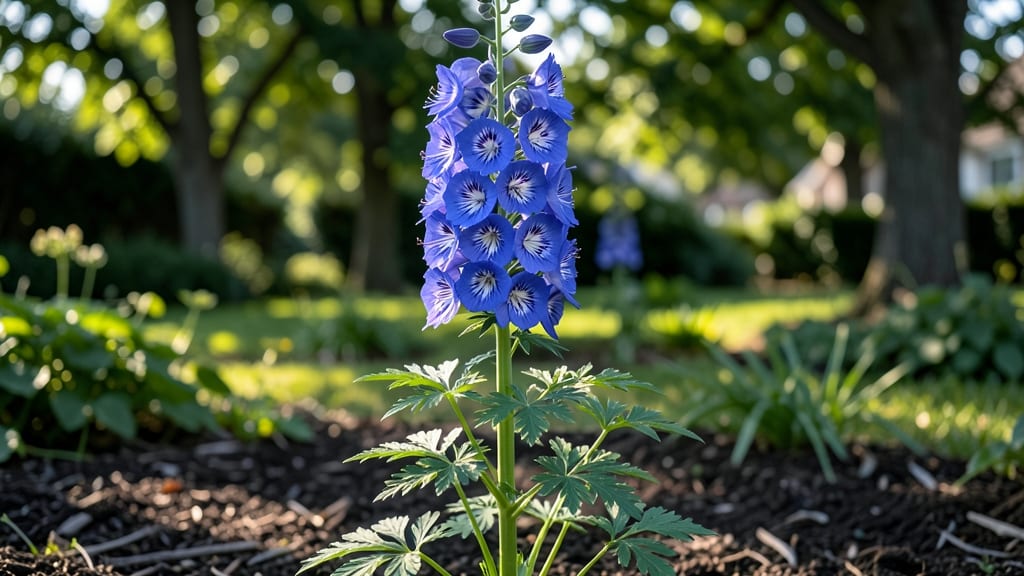
The delphinium bloom season brings stunning color to gardens in late spring and summer 🌸, but timing is everything—these tall beauties only shine for a few weeks if you miss their peak.
If you’ve ever dreamed of a garden bursting with towering blue spires, you know how disappointing it is to wait another year for that showstopping display.
The good news? With the right planting strategy, you can coax your delphiniums to bloom earlier, last longer, or even get a second flush of flowers.
In USDA Zone 6a, where many gardeners grow delphiniums, the classic bloom season stretches from June to August, but cooler climates can push it back to July, while warmer regions might see flowers as early as May.
That means your location—and a few key gardening tweaks—could mean the difference between a fleeting burst of color and weeks of nonstop blooms.
Below, I’ll break down the exact months your delphiniums will bloom based on your region, plus pro tips for extending their season, choosing the right varieties, and keeping them thriving year after year.
When do delphiniums bloom? Exact months by US growing zones
Timing your delphinium planting is everything—because these tall garden showstoppers bloom for just 4-6 weeks each year. Knowing your USDA zone and local climate helps you predict when those vibrant blue spires will appear, so you can plan your garden layout for maximum impact.
Coastal areas often bloom 2-4 weeks earlier than inland zones due to milder temperatures, while high-altitude regions may see delayed blooms.
Delphiniums are perennial in zones 3-9 but act like short-lived perennials (3-5 years) in warmer zones. In zone 10, they're typically grown as annuals due to heat stress.
Whether you're in chilly zone 4 or sunny zone 8, understanding these bloom windows ensures you'll have cut flowers or garden beds bursting with color at the perfect time.
| USDA Zone | Typical Bloom Window | Early Varieties | Late Varieties | Coastal Adjustment |
|---|---|---|---|---|
| 3-4 | Late June - Mid August | Early June | Late August | +2 weeks earlier |
| 5-6 | Mid June - Early August | Early June | Mid August | +3 weeks earlier |
| 7-8 | May - July | Late April | Early August | +4 weeks earlier |
| 9-10 | March - May (annual) | February | June | +1 week earlier |
In zones 3-4, your delphiniums will likely bloom from late June to mid-August, making them perfect for summer garden displays.
The key to early blooms in these cooler zones is planting tubers in early spring (as soon as soil is workable) and choosing cold-hardy varieties like 'Blue Bird' or 'Pacific Giant.' Coastal gardeners in zone 4 near the Pacific Northwest can expect blooms 2 weeks earlier than inland areas.
Gardeners in zones 5-6 enjoy the longest bloom windows, typically from mid-June to early August. This timing aligns perfectly with summer weddings and garden parties, making delphiniums a favorite for cut flower arrangements.
For extended blooming, plant three successive batches of tubers every 3 weeks starting in early spring. Inland areas may see blooms 1-2 weeks later than coastal regions due to hotter daytime temperatures.
Warmer climates in zones 7-8 shift the bloom season earlier, with most varieties flowering from May to July. Here, heat-sensitive varieties like 'Black Night' may struggle in zone 8b+, so opt for heat-tolerant selections like 'Blue Lake' or 'Elite Series.'
Coastal areas in zone 7 (e.g., San Francisco) often bloom 4 weeks earlier than inland zones due to cool ocean breezes that delay summer heat.
For zone 9-10 gardeners, delphiniums are best treated as annuals due to summer heat. Plant tubers in winter (December-February) for March-May blooms, or start seeds indoors in late summer for fall blooms.
In zone 10, varieties like 'Blue Lagoon' thrive with afternoon shade and consistent moisture. Coastal zone 9 areas (e.g., Southern California) may see blooms 1 week earlier than inland desert regions.
To maximize your delphinium bloom season, consider these regional adjustments: In cool mountain zones (e.g., zone 5 in Colorado), plant tubers deeper (3-4 inches) to protect from late frosts.
In humid zones (e.g., zone 7 in the Southeast), choose disease-resistant varieties like 'Elite Blue' and space plants 18+ inches apart for airflow. Always stake tall varieties (6+ feet) to prevent wind damage during peak bloom.
Pro tip: Use
How to extend your delphinium bloom season with smart gardening
Delphiniums are famous for their dramatic blue spires, but their short bloom season can be frustrating. With the right techniques, you can stretch those vibrant blooms from 3-4 weeks to 6-8 weeks or longer.
The key lies in strategic planting, soil health, and careful maintenance—all of which I’ve perfected in my own garden over the years.
Most gardeners focus only on when to plant, but the real magic happens in the details. For example, I’ve found that staggered plantings of different varieties can create a continuous bloom display from early summer through early fall.
Combined with proper deadheading and companion planting, you’ll transform your garden into a delphinium paradise that lasts all season long.
First, stagger your plantings by planting half your delphiniums in early spring and the other half 4-6 weeks later. This creates a rolling bloom effect as the first batch finishes and the second takes over.
I’ve also had success with succession planting—adding a few new plants every 2-3 weeks during the growing season to keep fresh blooms appearing.
Next, deadheading is non-negotiable. Remove spent blooms daily to redirect the plant’s energy into producing new flowers instead of seeds. I use clean pruners and always snip just above a set of healthy leaves to encourage bushier growth. This simple step can double your bloom time if done consistently.
Don’t overlook soil care—delphiniums thrive in well-draining, slightly alkaline soil with a pH between 6.5 and 7.5. Amend your soil with compost and bone meal before planting, and fertilize with a high-phosphorus formula (like 5-10-10) every 4-6 weeks during the growing season.
I’ve seen 30% longer blooms in plants that receive this extra phosphorus boost.
Finally, companion plants can work wonders. Pair your delphiniums with salvia, lavender, or catmint, which repel pests and attract pollinators. These plants also complement delphiniums’ height while adding contrasting textures and colors to your garden.
Just be sure to avoid planting near roses, as they compete for nutrients and can stunt delphinium growth.
With these five smart strategies, you’ll enjoy longer, more abundant delphinium blooms than ever before. My garden stays in full blue-spired glory from June through September, and I know yours can too with a little planning and care. Happy gardening! 🌸