
Blooming
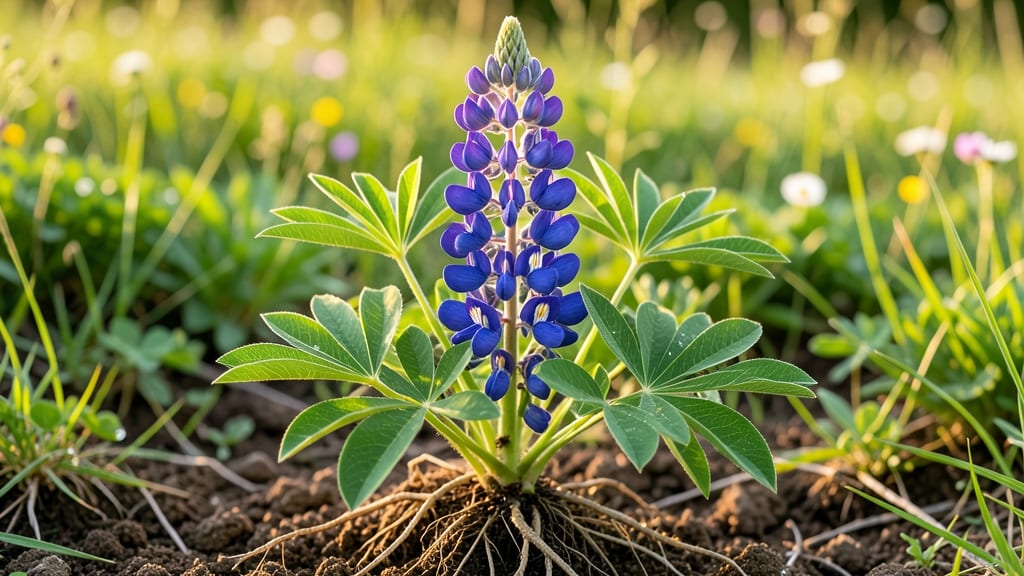
Lupines do not bloom all summer—most varieties flower intensely for just 4-6 weeks during late spring to early summer, though some perennials may produce smaller secondary blooms later with proper care. Annual lupines typically bloom once before fading by mid-summer.
Lupines are seasonal showstoppers, with their bloom cycles triggered by specific temperature and daylight cues. 🌸 The intense flowering period usually peaks in May or June, after which plants shift energy to seed production.
Perennial varieties like 'Russell Hybrid' might reward you with sporadic late-summer blooms if you deadhead regularly, but these will be smaller and less abundant than the spring display. Annual lupines, such as 'Blue Lu', follow a strict one-season schedule, making them ideal for dramatic but temporary garden accents.
What's fascinating is how lupines respond to environmental factors—cooler climates often extend their bloom window by a week or two, while hot summers can cause them to bolt prematurely.
I've found that well-draining soil rich in phosphorus (the middle number in fertilizer labels) helps sustain blooms longer, though no variety will match the springtime spectacle throughout the entire summer season.
💡 In This Article
- Lupine Bloom Duration by Variety and Climate
- Extending Lupine Blooms: Pruning and Care Tips
Lupine bloom duration by variety and climate
Lupines follow a strict seasonal rhythm driven by photoperiodism—their response to daylight length. Most varieties trigger flowering when days reach 14-16 hours of light, typically in late spring. This genetic adaptation ensures plants bloom when pollinators are most active, maximizing reproductive success.
The intense 4-6 week bloom period you see is nature's way of concentrating energy into one spectacular display rather than spreading it thin.
Temperature plays a critical role too. Lupines thrive in 60-75°F ranges, but extreme heat above 85°F can cause buds to drop prematurely. In cooler maritime climates (like the Pacific Northwest), lupines often bloom 2-3 weeks later than in hotter inland regions.
For example, 'Chief Joseph' lupines in Seattle might peak in early June, while identical plants in Phoenix could bloom by late May. Annual varieties like 'Russell Lupine' are particularly sensitive to heat stress, often fading by July.
Perennial lupines have a survival advantage—they store energy in deep root systems, allowing some varieties to produce secondary blooms in late summer if given proper care. However, these later flowers are usually 20-30% smaller and less vibrant, as the plant prioritizes seed production over showy displays.
The trade-off is clear: nature favors quantity during peak pollinator seasons, not prolonged but modest blooms.
Color also influences bloom duration. Darker purple lupines (like 'Lupinus polyphyllus') tend to have slightly longer primary blooms because their pigments help reflect excess sunlight, reducing heat stress. Lighter varieties (such as 'Albus' white lupines) may bloom more prolifically in shady gardens but still follow the same seasonal pattern.
The key difference lies in how efficiently each variety handles its environment.
What most gardeners overlook is how soil moisture affects bloom timing. Consistent moisture during bud formation (1-1.5 inches per week) can extend the primary bloom by 10-14 days, while drought stress causes plants to conserve energy by dropping buds early.
This is why lupines in well-irrigated Mediterranean climates often outperform those in drought-prone areas by 3-4 weeks of visible blooms.
For those hoping to stretch the season, selecting late-blooming cultivars like 'Regal Splendor' (which peaks in early June) or 'Thomas H. Everett' (June-July transition) provides the longest natural window. However, even these won't maintain peak blooms beyond 8-10 weeks total—nature's design prioritizes impact over duration.