
Blooming
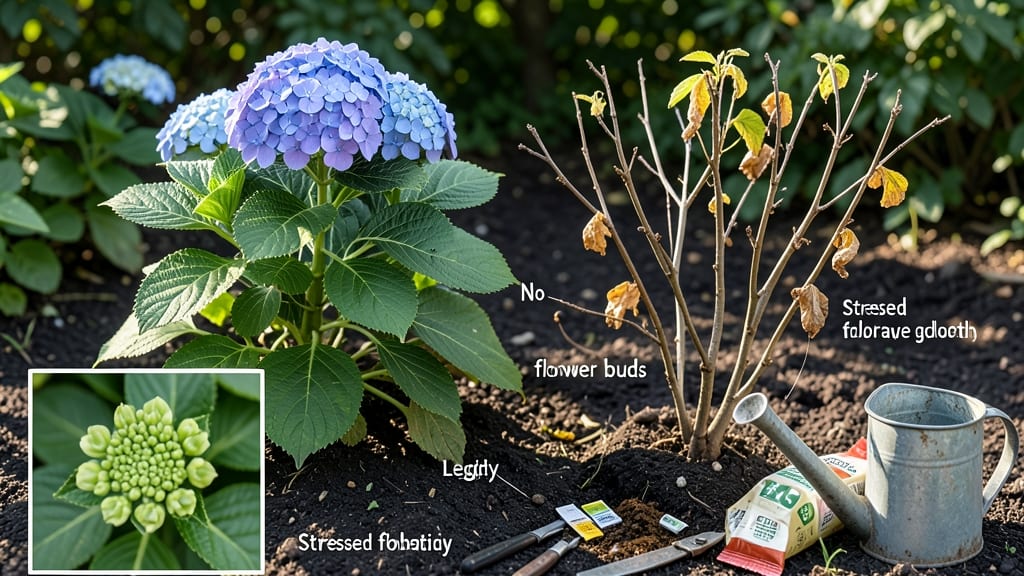
Why didn’t my hydrangea bloom this year? The silent protest of lush green leaves instead of flowers is a common frustration—and the reasons are usually hiding in plain sight. 🌿 I’ve seen this happen more than I’d like to admit, and the culprits are usually sunlight, pruning, or even what you’re feeding them.
The most common reasons are over-pruning (cutting back too late or too hard), too much nitrogen (which fuels leaves over flowers), or inconsistent watering (hydrangeas hate drought stress). Even the wrong location—too shady or too hot—can trick them into skipping their floral show.
Here’s the good news: next season’s blooms are within reach. We’ll fix your light, timing, and feeding so your hydrangeas go from "leafy disappointment" to "showstopper centerpiece" by summer. The secret? A few simple adjustments that work every time.
Whether you’re dealing with a backyard bush or container-grown hydrangeas, these fixes apply. Let’s get those buds back on track—starting with the most overlooked culprit in your garden.
Hidden Reasons Your Hydrangeas Skipped Blooms
Hydrangeas are notorious for their stunning blooms, but when they fail to flower, it’s often due to overlooked factors tied to their biology, environment, or care habits. Let’s break down the real culprits behind your hydrangea’s lackluster performance this year—and how to diagnose them like a pro.
Hydrangeas thrive in partial shade (4–6 hours of sunlight daily), but too little light—or planting them too late—can stunt flower production. Here’s why: - Light deprivation: Bigleaf and oakleaf hydrangeas (Hydrangea macrophylla and H. quercifolia) need bright, indirect light to trigger blooming.
If they’re buried in deep shade (e.g., under mature trees), they’ll focus energy on leaf growth instead of flowers. - Late-season stress: Planting hydrangeas in late summer or fall gives roots little time to establish before winter.
Weak roots = fewer blooms next year. - Actionable fix: - Move potted hydrangeas to a sunnier spot (but avoid harsh afternoon sun). - If planting new shrubs, do it in early spring for a full growing season to adapt. - Prune nearby trees to increase light exposure by 2–3 feet around the plant.
Cold snaps can kill flower buds before they open. Hydrangeas are semi-hardy, but extreme cold or late frosts (below 20°F/-7°C) can damage buds formed the previous summer. - Bud formation timing: Most hydrangeas (except panicle types) set buds in late summer/early fall.
If a hard freeze hits before buds harden, they’ll die back. - Thaw-freeze cycles: Rapid temperature swings in spring can also shock buds into dropping. - Actionable fix: - Mulch heavily (4–6 inches of shredded bark or leaves) around the base in late fall to insulate roots. - Cover young plants with burlap or frost cloth if a late frost is forecasted. - Choose hardier varieties like Hydrangea paniculata (e.g., ‘Limelight’) if your zone gets brutal winters.
Hydrangeas hate wet feet.
Too much moisture (or compacted soil) leads to root rot, which starves the plant of nutrients needed for blooms. - Signs of overwatering: - Yellowing leaves (not just from iron deficiency). - Mushy stems or soil that stays soggy for days. - Buds forming but dropping prematurely. - Soil pH matters: Hydrangeas need slightly acidic to neutral soil (pH 5.5–6.5).
Overly alkaline soil (from hard water or lime) blocks nutrient uptake, especially phosphorus, which is critical for flowering. - Actionable fix: - Test your soil (DIY kits cost $10) and amend with sulfur (to lower pH) or peat moss if needed. - Water deeply but infrequently: Aim for 1–1.5 inches per week (including rain).
Use a soaker hose to avoid wetting leaves (which causes fungal issues). - Raise beds or add gravel to improve drainage if your soil is clay-heavy.
Pruning at the wrong time can remove next year’s flowers—or worse, stress the plant into skipping blooms entirely. - Old wood vs. new wood: - Bigleaf & oakleaf hydrangeas bloom on last year’s growth (old wood).
Pruning in late winter/early spring (before buds swell) cuts off potential blooms. - Panicle & smooth hydrangeas bloom on new wood (current season’s growth).
These can be pruned in late winter/early spring without harm. - Over-pruning: Cutting back more than 1/3 of the plant in one go shocks it into survival mode, not flowering. - Actionable fix: - Wait until after blooming (late summer) to prune bigleaf/oakleaf types.
Remove dead or weak stems but leave healthy ones. - Shape lightly in spring for panicle types—focus on opening up the center for airflow. - Never prune in fall: This encourages tender new growth that’ll die in winter.
Too little (or too much) of the wrong fertilizer can halt bloom production. - Nitrogen overload: Fertilizers high in nitrogen (N) (like lawn food) promote leafy growth at the expense of flowers. - Phosphorus shortage: This macronutrient (P) is the flowering trigger.
If your soil lacks it, hydrangeas may leaf out but fail to bud. - Micronutrient gaps: Magnesium, calcium, or boron deficiencies can also stunt blooms. - Actionable fix: - Use a balanced, slow-release fertilizer (10-10-10 or 5-10-10) in early spring. - Add bone meal or rock phosphate (high in P) in late winter to encourage bud formation. - Avoid high-nitrogen feeds like blood meal or fish emulsion if blooms are the priority.
Hidden pests or fungal infections can divert energy away from flowers or damage buds directly. - Common culprits: - Aphids/spider mites: Sap-sucking pests weaken stems and cause buds to drop. - Scale insects: Leave sticky residue (honeydew) that attracts sooty mold, blocking sunlight to buds. - Botrytis blight: A fungal disease that rots flower buds before they open (common in humid climates). - Actionable fix: - Inspect buds weekly for pests.
Blast off aphids with a strong water spray or use neem oil (repeat every 7–10 days). - Prune infected stems (1 inch below damage) and sterilize tools with rubbing alcohol. - Improve airflow by thinning dense foliage to prevent fungal spread.
Even healthy hydrangeas can skip blooms if they’re overworked or too young/old.
- First-year plants: Hydrangeas often wait 1–2 years to flower after planting while roots establish.
- Over-mature plants: Shrubs older than 10–15 years may revert to vegetative growth if not rejuvenated.
- Actionable fix:
- Be patient with young plants—focus on soil health and watering.
- Rejuvenate old shrubs by cutting back 1/2 to 2/3 in early spring (risky but can trigger new growth).
- Divide clumps every 5–7 years to stimulate fresh blooms.
Revive Your Hydrangeas Now
Don’t let this season’s blooming disappointment become a yearly trend! With the right fixes, your hydrangeas can bounce back—and next year, they’ll put on a show-stopping display.
Below, we’ve mapped out practical solutions for each common cause, plus prevention tips to keep your plants thriving. Grab your gardening gloves, and let’s get to work!
If your hydrangeas are tucked away in deep shade, they’re likely struggling to bloom. Most varieties need at least 4–6 hours of sunlight daily to produce flowers.
How to Fix It:
🔥 🌞 Relocate Your Plant (Best Solution)
- Move potted hydrangeas to a sunnier spot—even partial sun helps.
- For in-ground plants, trim nearby trees or shrubs to open up the canopy.
🍳 🌿 Prune Strategically (If Relocating Isn’t Possible)
- Cut back overgrown branches to encourage new growth toward the sun.
- Focus on thinning out dense foliage to improve airflow and light penetration.
💡 Prevention Tips:
- Plant in the right spot from the start—check sunlight patterns before buying.
- Use dwarf or compact varieties (like ‘Little Lime’ or ‘Endless Summer’) if your space is shady.
Hydrangeas hate soggy roots! Too much water (or none at all) can stress plants, leading to fewer blooms.
How to Fix It:
🔥 💦 Check Your Watering Habits
- Water deeply but infrequently—aim for 1–1.5 inches per week (including rain).
- Avoid wetting the leaves to prevent fungal diseases like powdery mildew.
👨🍳 🏗️ Improve Drainage (Critical for Potted Plants!)
- If your hydrangea is in a pot, add perlite or sand to the soil mix.
- For in-ground plants, amend heavy clay soil with compost or peat moss.
🌡️ Prevention Tips:
- Use a moisture meter to check soil dampness before watering.
- Mulch around the base (2–3 inches) to retain moisture and regulate temperature.
Pruning at the wrong time can remove next year’s flower buds before they form. Timing matters!
How to Fix It:
⏰ 📅 Prune Based on Your Hydrangea Type
- Bigleaf & Oakleaf hydrangeas (mopheads, lacecaps): Prune right after blooming (late spring/early summer).
- Panicle & Smooth hydrangeas: Prune in late winter or early spring (before new growth starts).
🔪 🌸 Follow the "Third of the Stem" Rule
- Cut back old wood (last year’s stems) to 1/3 of their length to encourage new blooms.
- Never prune more than 1/3—this can shock the plant.
✨ Prevention Tips:
- Label your hydrangeas if you have multiple types to track pruning needs.
- Use sharp, clean pruners to avoid disease spread.
Pests like aphids, spider mites, or fungal infections can sap energy from your hydrangeas, leaving them too weak to bloom.
How to Fix It:
🔍 🐜 Identify the Problem First
- Yellowing leaves? Could be aphids, scale, or fungal issues.
- Brown spots? Likely powdery mildew or botrytis blight.
💪 🌿 Treat Naturally or Chemically
- For pests: Spray with neem oil or insecticidal soap (repeat every 5–7 days).
- For fungus: Apply baking soda spray (1 tsp baking soda + 1 quart water + a drop of soap) or a fungicide.
🎯 Prevention Tips:
- Encourage beneficial insects (like ladybugs) by planting marigolds nearby.
- Water in the morning to let foliage dry quickly, reducing fungal risks.
Hydrangeas are heavy feeders—they need phosphorus and potassium to produce flowers. If your soil is nutrient-poor, blooms will suffer.
How to Fix It:
📊 🌱 Choose the Right Fertilizer
- Use a balanced fertilizer (10-10-10) in early spring.
- For more blooms, switch to a phosphorus-heavy formula (5-10-5) in late spring/early summer.
🍎 🥗 Boost Soil Health Naturally
- Add compost or well-rotted manure around the base (but not touching the stems).
- Mulch annually with pine needles (for acid-loving varieties like blue hydrangeas).
💡 Prevention Tips:
- Test your soil every 2–3 years to monitor nutrient levels.
- Avoid over-fertilizing—this can lead to lush leaves but fewer flowers.
If your hydrangea is severely underperforming, give it a full reset this fall:
- ✅ Prune back 1/3 of the oldest stems to encourage new growth.
- ✅ Add a slow-release fertilizer (like bone meal) to the soil.
- ✅ Mulch heavily to protect roots over winter.
- ✅ Water deeply before the first frost to prevent drought stress.
With these fixes, your hydrangeas will recover faster and bloom bigger next season. The key? Act now, adjust habits, and give them the care they crave! 🌺✨
Frequently asked questions
Why did my hydrangea leaves grow huge but no flowers appeared?
Too much nitrogen in your fertilizer is the likely culprit! Nitrogen fuels leafy growth at the expense of blooms. Switch to a balanced fertilizer (10-10-10) or phosphorus-heavy formula (5-10-5) in spring to encourage flowering instead.
Can I still get blooms if I pruned my hydrangea at the wrong time?
It depends on the type! Bigleaf hydrangeas bloom on old wood, so late winter pruning removes next year's buds. Panicle types bloom on new wood and can handle spring pruning. For bigleaf varieties, wait until after blooming (late summer) to prune.
How do I know if my hydrangea is getting enough sunlight?
Check for 4-6 hours of bright, indirect light daily. If leaves are small and sparse, it needs more sun. For shade-loving varieties, morning sun + afternoon shade works best. Move potted plants or trim nearby trees to improve light exposure.
What should I do if my hydrangea buds formed but dropped before opening?
This usually means late frost damage or overwatering. Protect buds with frost cloth in late winter, and ensure soil drains well. Water deeply but infrequently (1-1.5 inches weekly) to prevent root stress that causes buds to abort.
Are my hydrangeas too old to bloom again?
Not necessarily! Most hydrangeas bloom for 10-15 years before declining. Try rejuvenation pruning (cutting back 1/3 of oldest stems in early spring) or dividing mature clumps every 5-7 years to stimulate new growth and blooms.