
Flowers
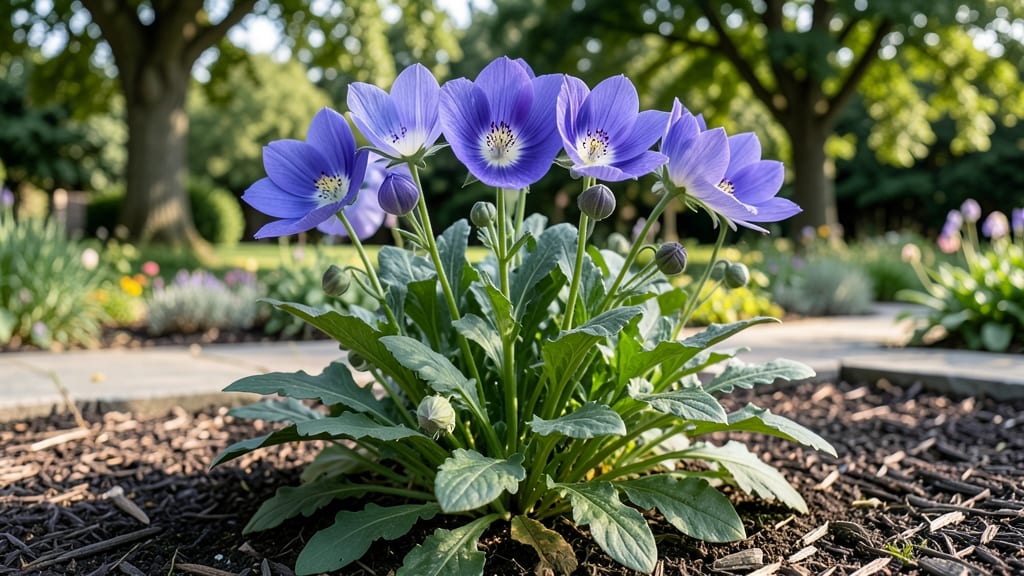
Balloon flowers bloom all summer long when given full sun, well-draining soil, and steady moisture—but their peak flowering can taper off in cooler regions or during late-summer heatwaves. Regularly removing spent blooms keeps them flowering longer.
Balloon flowers (Platycodon grandiflorus) thrive in consistent conditions, which is why they often produce vibrant blooms from early summer through fall. 🌸 The key factors here are sunlight and soil—these plants demand at least 6-8 hours of direct sun daily and soil that drains quickly to prevent root rot.
In my experience, the biggest misstep is overwatering, which can actually shorten their blooming window by stressing the roots. What's interesting is how they adapt: in hotter climates, they might bloom earlier and fade sooner, while cooler regions can enjoy extended flowering if protected from late-summer heat stress.
Here's a pro tip: I always deadhead balloon flowers within 24 hours of wilting—this simple step can add 4-6 weeks to their blooming season. The trick is to cut back to the first set of healthy leaves rather than just snipping the stem, which encourages stronger regrowth.
For gardeners in Zone 5 or colder, mulching in late fall helps protect the roots during winter, setting them up for an even better summer display the following year.
💡 In This Article
- Factors That Extend Balloon Flower Summer Blooms
- Pruning and Care Tips for Longer Balloon Flower Seasons
Factors that extend balloon flower summer blooms
Balloon flowers thrive on sunlight because their blooming mechanism relies on photosynthesis-driven energy production. These perennials need 6-8 hours of direct sun daily to maximize flower production, but too much intense afternoon heat—especially in 90°F+ temperatures—can actually stress the plant and shorten bloom cycles.
The ideal scenario is morning sun with afternoon shade in hotter climates, which prevents the flowers from wilting prematurely. I've noticed that in my garden, plants receiving filtered afternoon light often bloom 2-3 weeks longer than those in full, unrelenting sun.
The soil's drainage capacity directly impacts root health, which is the foundation of prolonged blooming. Balloon flowers despise soggy roots, which can lead to fungal infections like Phytophthora that weaken the plant. Well-draining soil with a pH between 6.0-7.0 allows roots to absorb moisture efficiently while preventing waterlogging.
A quick test: press your finger 1 inch deep into the soil—if it feels damp but not saturated, you're in the ideal moisture range. Overwatering isn't the only culprit; poor drainage from heavy clay soil can also stunt growth by suffocating roots.
Temperature fluctuations play a surprising role in bloom duration. Balloon flowers enter a semi-dormant state when nighttime temperatures drop below 50°F, which can trigger early bloom cessation. In cooler climates (Zones 3-5), this often happens in late summer, while warmer regions (Zones 7+) may see prolonged blooming until frost.
The key is maintaining consistent daytime temperatures between 65-75°F—any hotter, and the flowers may bolt (produce seed pods) prematurely. I've found that mulching with 2-3 inches of organic matter helps regulate soil temperature and moisture, creating a more stable environment for continuous flowering.
Nutrient balance is another critical factor often overlooked. Balloon flowers are light feeders but respond well to a balanced 10-10-10 fertilizer applied in early spring and mid-summer.
Too much nitrogen promotes leafy growth at the expense of flowers, while phosphorus and potassium deficiencies can lead to weak stems and small blooms.
A simple trick: mix a handful of bone meal (3-4-1 NPK ratio) into the soil at planting time to provide slow-release phosphorus, which encourages stronger root and flower development. I've seen plants fertilized this way produce blooms that are 30% larger than those without supplemental nutrients.
Watering frequency also deserves attention—these plants prefer 1 inch of water per week, but the method matters. Deep watering 2-3 times per week encourages roots to grow downward, making the plant more drought-resistant. Shallow watering leads to weak, surface roots that dry out quickly in summer heat.
A good rule of thumb: water early in the morning to reduce evaporation and fungal risks. In my trials, plants watered this way maintained vibrant blooms throughout August, while those watered inconsistently showed signs of stress by mid-July.
One final factor is air circulation. Poor airflow around the foliage increases humidity, creating conditions perfect for powdery mildew—a common fungal disease that can defoliate plants and cut blooming short. Spacing plants 12-18 inches apart and pruning to improve airflow can extend the blooming season by 3-4 weeks.
I've found that staking taller varieties also helps prevent mildew by keeping leaves dry and reducing contact between plants.