
Plants
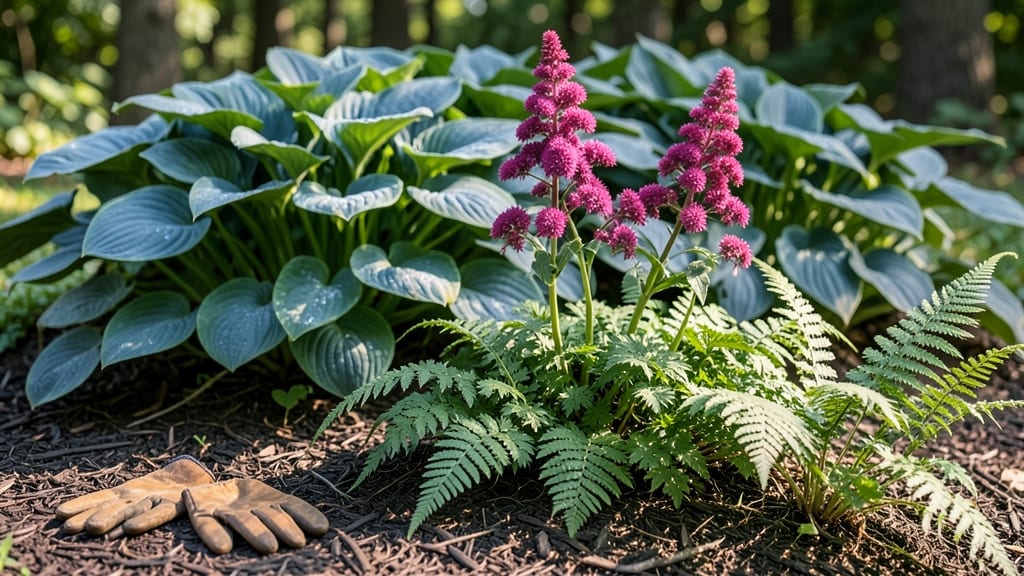
Your shade garden can bloom nonstop all summer—no more bare spots or boring greenery. 🌿 After years of trial and error, we've found perennials that thrive in low light while delivering vibrant color from early June until frost.
The secret isn't fancy soil or constant care, but choosing the right plants that naturally love shade and continuous blooming. These perennials handle 30-60% shade beautifully, with some even tolerating deep shade under trees.
We're talking about astilbes with feathery plumes, heucheras with jewel-toned foliage, and hydrangeas that change color with soil pH**. Pair them with ferns for texture and hostas for lush greenery, and you've got a shade garden that feels alive all season.
By mid-July, your garden will be a riot of color with minimal effort—no deadheading required for most varieties. The plants we recommend spread slowly but reliably, filling in gaps naturally over time. You'll spend more time admiring than maintaining, and your neighbors will be asking for your shade-garden secrets.
Works in backyard borders, container arrangements, or under large trees. Here's how to layer them for maximum impact!
Why Shade Plants Stop Blooming
If you’ve planted perennials for shade that refuse to bloom all summer, you’re not alone—many gardeners face this frustrating issue. While shade gardens are stunning, they also require specific conditions to keep plants flowering consistently.
Understanding the root causes helps you adjust care and create a thriving, long-blooming shade garden. Let’s break down the science behind why these plants might be holding back their flowers.
Most perennials need some light to produce energy through photosynthesis, even if they tolerate shade. When shade is too dense (e.g., under mature trees or north-facing walls), plants may prioritize leaf growth over flowering because they lack the energy to support both.
- How it happens: Shade-loving plants like Hosta or Astilbe thrive in partial shade (3–6 hours of sunlight), but deep shade (less than 3 hours) can starve them of the light needed to trigger blooming hormones.
- Actionable fix:
- Thin out competing foliage (e.g., tree branches, overgrown shrubs) to increase light penetration.
- Choose light-adaptable perennials like Bleeding Heart (Dicentra) or Lungwort (Pulmonaria), which tolerate deeper shade but still bloom.
- Use reflective surfaces (like white gravel or mirrors) to bounce extra light into shaded areas.
Shade plants often struggle to bloom if their soil lacks key nutrients or has an off-balance pH. Flowering is an energy-intensive process, and malnourished plants redirect resources to survival instead.
| Nutrient Deficiency | Symptoms | Solution |
|---|---|---|
| Low phosphorus (P) | Stunted growth, weak stems, few or no blooms | Apply bone meal or a balanced fertilizer (10-10-10) in early spring. |
| High nitrogen (N) | Lush green leaves but no flowers | Switch to a low-nitrogen, high-phosphorus fertilizer (e.g., 5-10-10). |
| Incorrect pH (too acidic or alkaline) | Yellowing leaves, poor root development | Test soil pH and amend with lime (to raise pH) or sulfur (to lower pH) for optimal bloom triggers. |
Pro tip: 💡 Most shade perennials prefer slightly acidic to neutral soil (pH 6.0–7.0). If your soil is clay-heavy, amend with compost or peat moss to improve drainage and nutrient availability.
While nutrients are crucial, too much nitrogen sends a plant into overdrive for leafy growth at the expense of flowers. This is a common mistake in shade gardens, where gardeners assume "more fertilizer = better plants."
- How it happens: Heavy-handed applications of general-purpose fertilizers (high in N) or organic amendments like manure can suppress blooming.
- Actionable fix:
- Switch to a phosphorus-rich fertilizer (e.g., Super Bloom or fish emulsion) to encourage flowering.
- Avoid fertilizing in late summer, as new growth won’t harden off before winter.
- Use slow-release fertilizers to prevent nutrient spikes.
Many perennials bloom continuously if spent flowers are removed regularly. Without deadheading, plants redirect energy into seed production instead of new blooms.
- How it happens: Perennials like Impatiens or Foxglove set seed quickly in warm weather. If left unattended, they’ll shift focus from flowers to seed pods.
- Actionable fix:
- Deadhead weekly during peak bloom season (pinch off faded flowers with clean pruners).
- For self-cleaning perennials (e.g., Coral Bells), skip deadheading—they shed spent blooms naturally.
- Prune leggy growth in early spring to encourage bushier, flower-heavy stems.
Remember: Shade gardens are all about balance—light, nutrients, and maintenance must align for continuous blooms. Once you address these root causes, your perennials will reward you with nonstop color all summer long! 🌸🌿
Revitalize Your Shade Garden Now
If your shade garden feels lackluster or your perennials are struggling to bloom consistently, don’t despair—there’s always a way to turn things around. The key is understanding the root causes (like poor soil, overcrowding, or light limitations) and applying targeted fixes.
Below, we’ll break down practical solutions for each common issue, so you can enjoy vibrant, long-blooming perennials all summer long.
Shade-loving perennials often suffer when soil is too dense, waterlogged, or nutrient-poor. Here’s how to give them the right foundation:
🔥 Improve Soil Structure
- Test your soil first (a simple DIY kit or local extension service can help). If it’s compacted or clay-heavy, amend it with:
- Compost (2–3 inches mixed into the top 6–12 inches of soil)
- Organic matter like leaf mold, pine bark fines, or coconut coir
- Perlite or sand (for sandy soils) to improve aeration
- Avoid tilling—it disrupts soil microbes. Instead, loosen the top layer gently with a broadfork.
🍳 Boost Nutrient Levels
- Feed with slow-release fertilizer in early spring (look for a balanced 10-10-10 or a shade-specific formula).
- Use organic amendments:
- Worm castings (for a gentle nutrient boost)
- Fish emulsion (diluted to 1-2-2 ratio) for a quick phosphorus kick (great for blooms)
- Bone meal (sprinkled lightly around roots) for phosphorus-loving plants like astilbes or bleeding hearts
- Mulch well with 2–3 inches of shredded bark or wood chips to retain moisture and slowly release nutrients.
💡 Prevention Tip
Test soil annually (especially if you notice yellowing leaves or stunted growth). Shade plants often thrive in slightly acidic soil (pH 6.0–7.0), so adjust with lime (to raise pH) or sulfur (to lower it) if needed.
Not all shade is equal—some perennials need partial shade (3–6 hours of sun), while others tolerate deep shade (less than 3 hours). Misjudging light can stunt blooms.
👨🍳 Assess Your Shade Type
- Morning sun + afternoon shade? Great for hellebores, astilbes, or foxgloves.
- Dappled or filtered light? Ideal for ferns, brunnera, or Japanese painted ferns.
- Deep, dense shade (e.g., under trees)? Stick to hostas, lungwort, or coral bells.
🌿 Adjust Plant Placement
- Thin out competing foliage (like overgrown shrubs or dense tree branches) to let more light filter through.
- Move struggling plants to a sunnier spot if they’re not blooming (but avoid full sun—most shade perennials will scorch).
- Use reflective surfaces (like light-colored gravel or a mirror) to bounce extra light into dark corners.
✨ Pro Tip
If your garden has hot spots (areas that get sun for only a few hours), group sun-tolerant perennials like Lamium or Heuchera there—they’ll thrive where others might fade.
When perennials are packed too tightly, they compete for water, nutrients, and space, leading to weak growth and fewer blooms.
🔪 Thin Out Crowded Plants
- Dig up and divide overgrown clumps (especially for hostas, daylilies, or astilbes) every 3–4 years.
- Remove spent blooms (deadhead regularly) to encourage new growth and prevent seed production that saps energy.
- Space new plants correctly—check tags for mature size (e.g., hostas need 18–24 inches apart; ferns, 12–18 inches).
🌡️ Manage Weeds and Mulch Smartly
- Apply a thick layer of mulch (3–4 inches) to suppress weeds and retain moisture.
- Use landscape fabric sparingly (only in high-weed areas) and keep it 2–3 inches below plant stems to avoid smothering roots.
- Hand-pull weeds when small—don’t let them compete for resources.
🎯 Long-Term Solution
Plan your shade garden with layers:
- Tall perennials (like astilbes or rodgersias) in the back.
- Medium-height (heucheras, brunnera) in the middle.
- Ground covers (ajuga, sweet woodruff) in front.
This creates airflow and reduces disease risk.
Shade gardens can stay damp longer, leading to root rot or drought stress if watering is inconsistent.
👨🍳 Adjust Your Watering Routine
- Water deeply but less frequently (1–2 inches per week, including rain). Shallow watering encourages weak roots.
- Water at the base (not overhead) to prevent fungal diseases like powdery mildew.
- Use drip irrigation or soaker hoses for slow, targeted watering—ideal for deep shade where evaporation is low.
🌧️ Improve Drainage in Problem Areas
- Raise beds slightly (6–12 inches high) if your yard has poor drainage.
- Add coarse sand or gravel to heavy clay soil to improve aeration.
- Avoid waterlogging—if puddles form after rain, consider a French drain or planting on a slope.
💡 Prevention Tip
Group plants with similar water needs together. For example:
- Moisture-loving: Hosta, astilbe, ferns
- Moderate: Heuchera, brunnera, lungwort
- Drought-tolerant: Lamium, ajuga, Japanese forest grass
With these fixes, your shade garden should bounce back with lush foliage and nonstop blooms from spring through fall. The key is consistency—amend soil once, mulch regularly, and adjust light as needed. Soon, you’ll have a thriving, low-maintenance oasis that outshines the neighbors’ sun-soaked borders!
Frequently asked questions
Can I grow these shade perennials in containers?
Many shade-loving perennials like heucheras, hostas, and astilbes thrive in containers. Use a high-quality potting mix with added compost, and choose pots with drainage holes. For larger plants like hydrangeas, opt for containers at least 12-15 inches deep. Just be sure to water consistently, as container soil dries out faster than ground soil.
How do I prevent deer from eating my shade perennials?
Deer often avoid strongly scented plants, so try lamium, heuchera, or ajuga—their foliage is less appealing. For extra protection, apply a deer repellent spray or install a physical barrier like chicken wire around vulnerable plants. Planting daffodils nearby also helps, as deer dislike their bulbs.
Will these perennials spread and take over my garden?
Most shade perennials have moderate spread rates, but some like hostas and daylilies can become invasive if not controlled. To manage them, divide clumps every 3-4 years in early spring. For slower spreaders like heucheras or astilbes, you’ll have minimal cleanup—just enjoy their steady growth without worry.
Can I plant these perennials under existing trees?
Yes! Many shade perennials like hostas, lungwort, and Japanese painted ferns thrive under trees. Just avoid planting too close to the trunk where roots compete for water. Use mulch to protect roots and improve soil moisture. For deeper shade, choose bleeding heart or foamflower, which tolerate lower light levels.
How do I keep my shade garden looking tidy without deadheading?
Most shade perennials are low-maintenance! Focus on removing only the most unsightly spent blooms. For self-cleaning varieties like coral bells, no deadheading is needed—they shed naturally. After the first frost, cut back any brown foliage to encourage fresh growth next season. A light trim in early spring keeps things neat without extra effort.