
Blooming
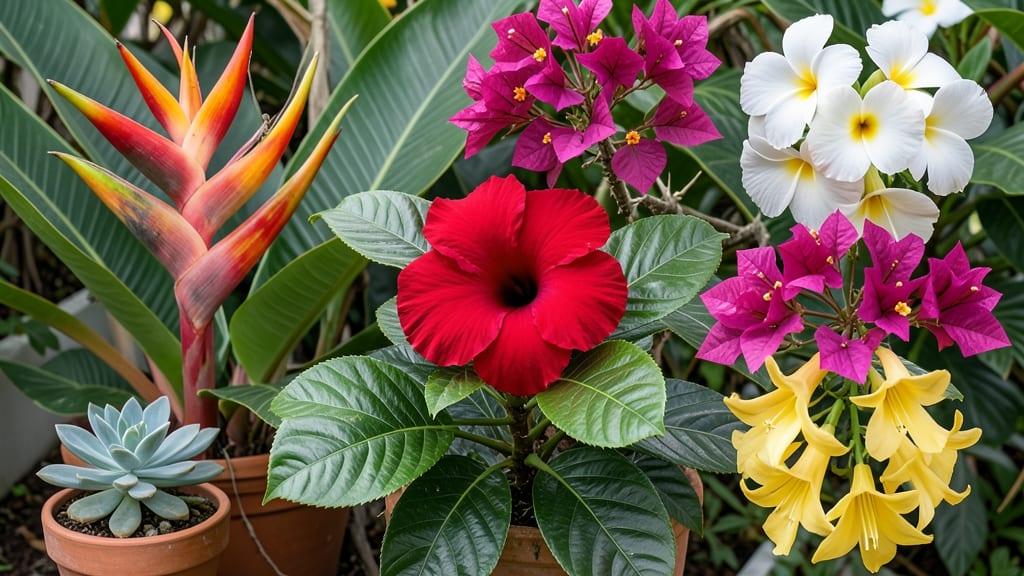
Perennial flowers that bloom all year long need frost-free conditions found in USDA Zones 9-11, where heat-loving varieties like Mexican sunflower, salvia, and bougainvillea deliver nonstop color when planted with staggered bloom times. Consistent sunlight and regular watering are essential for maintaining their vibrant display throughout every season.
If you're dreaming of a garden that never stops blooming, you'll need to focus on heat-tolerant varieties that thrive in warm climates. 🌸 The key is selecting plants with staggered bloom cycles—this ensures fresh flowers appear continuously rather than all at once.
For example, bougainvillea bursts with color in spring and summer, while salvia often picks up where it leaves off in late summer through fall. I've found that combining these with drought-resistant ground covers like creeping thyme creates a lush, ever-blooming landscape that requires minimal extra care once established.
What's fascinating about these perennials is how they adapt to their environment. Many, like lantana and plumbago, actually bloom more prolifically in hotter months—their flowers respond to the heat by producing more vibrant colors. This makes them perfect for regions where winter dormancy isn't a concern.
For gardeners in slightly cooler microclimates (like Zone 8b), choosing varieties with early spring and late fall blooms can extend the growing season by several months.
💡 In This Article
- Climate Zones Where Perennials Flower Continuously
- Top 10 Year-Round Blooming Perennial Varieties
Climate zones where perennials flower continuously
Ever-blooming perennials rely on consistent warmth, which is why USDA Zones 9-11 become their ideal playground. These zones experience average minimum temperatures between 20°F and 40°F, creating frost-free environments where tropical and subtropical plants can thrive year-round.
For example, Zone 10 (like Southern California or Florida) averages 30-35°F winters, while Zone 11 (Hawaii, Puerto Rico) rarely drops below 40°F, making them perfect for heat-loving bloomers like bougainvillea and Mexican sunflower.
The magic happens when nighttime temperatures stay above 50°F—this threshold prevents many perennials from entering dormancy.
In these zones, plants like salvia and lantana don't just survive; they flourish continuously because their metabolic processes remain active. 🌡️ What's fascinating is how these plants adapt: their root systems stay hydrated year-round, while their flowering cycles sync with seasonal rainfall patterns rather than temperature shifts.
This creates a self-sustaining bloom cycle that gardeners in cooler climates can only envy.
Microclimates play a surprising role in extending bloom periods even in marginal zones. For instance, a south-facing wall in Zone 8b can create a 5-10°F warmer microclimate than the surrounding area, allowing heat-loving perennials to bloom 2-3 months longer than expected.
I've seen gardeners in Phoenix use reflective mulches to raise soil temperatures by 5°F, which triggers earlier spring blooms in varieties like plumbago. These small adjustments can turn a seasonal bloomer into a near-perennial performer.
Humidity also matters—drier climates (like Zone 10) often see more continuous blooming because many tropical perennials respond to dry spells by producing more flowers as a survival mechanism. In contrast, humid Zone 11 areas might require additional airflow to prevent fungal issues that could stunt blooms.
The key is matching plant needs to local conditions: drought-tolerant varieties thrive in arid zones, while moisture-loving perennials need consistent irrigation in tropical areas.
For gardeners pushing the limits in Zone 8, the solution lies in staggered planting of varieties with different bloom triggers. For example, planting early spring bloomers like Ixora alongside late summer varieties creates a 10-month bloom window.
This approach mimics the natural behavior of ever-blooming perennials in warmer zones, where different species take turns producing flowers throughout the year.
What most people overlook is how soil temperature affects root activity—perennials in Zone 9-11 often have roots that stay active year-round because soil temps rarely drop below 55°F.
This continuous root activity fuels above-ground growth and flowering. In cooler zones, soil temps below 50°F trigger dormancy, which is why ever-blooming perennials simply can't survive there without protection.