
Flowers
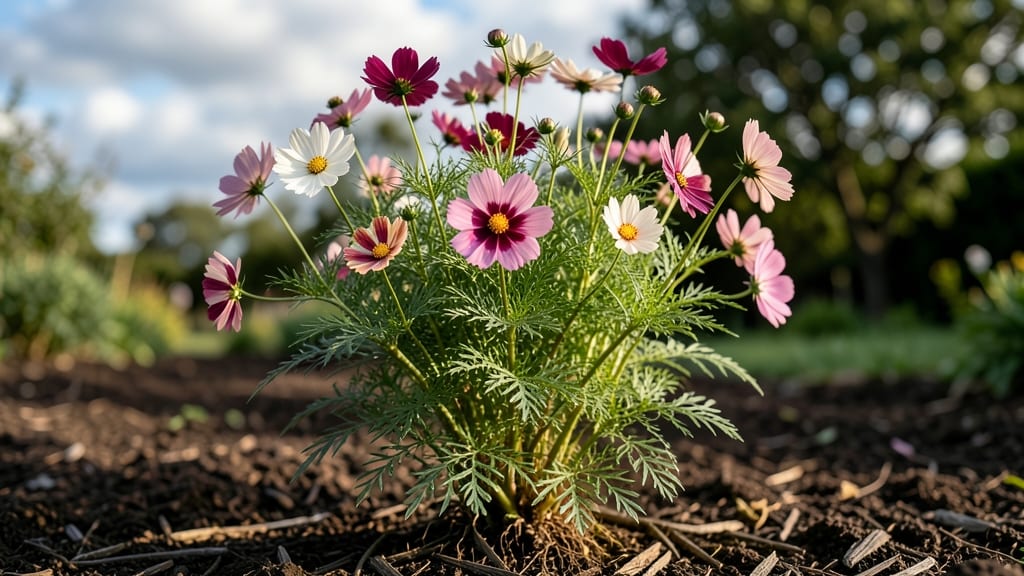
Cosmos flowers bloom from early summer through fall 🌼, turning gardens into vibrant canvases of pink, white, and yellow—but timing depends on your variety and zone.
If you’ve ever wondered why your cosmos flowers aren’t blooming when expected—or how to time their stunning displays for summer weddings or fall gardens—this guide reveals the exact bloom windows for every variety, tailored to your USDA zone.
Most cosmos varieties start flowering 60–75 days after planting, with peak blooms stretching from July through October in Zone 6a. Annual types like 'Bright Lights' and 'Sensation' often begin earlier, while perennials may linger into late fall.
Here’s how to maximize your bloom time: plant seeds after your last frost (around April 15 in Zone 6a), deadhead spent blooms, and choose sun-drenched spots. With these tips, your cosmos will keep flowering longer and brighter than ever.
When cosmos flowers bloom by variety: month-by-month breakdown
Cosmos flowers are beloved for their effortless beauty and long-lasting blooms, but their bloom times vary dramatically by variety. Whether you're planning a summer wedding or a fall garden display, knowing the exact bloom windows helps you choose the right cosmos for your timeline.
Some varieties burst into color in early summer, while others shine in late fall, even after frost.
Most cosmos thrive in USDA Zones 3–11 and prefer full sun, but their bloom periods shift based on heat tolerance and self-seeding habits. For example, 'Bright Lights' cosmos often bloom earlier than 'Sensation' series, while 'Seashells' varieties extend their displays into autumn.
Let’s break down the bloom cycles by variety so you can plan your garden like a pro.
| Variety | Primary Bloom Time | Peak Color Months | Heat Tolerance | Self-Seeding? |
|---|---|---|---|---|
| 'Bright Lights' | June–July | June–August | High (thrives in heat) | Yes (aggressive) |
| 'Sensation Mix' | July–August | July–September | Moderate (needs consistent water) | Yes (moderate) |
| 'Seashells Series' | August–September | August–October | Cold-hardy (blooms late) | Yes (reliable) |
| 'Double Click' | July–September | July–October | High (drought-tolerant) | No (non-seeding) |
| 'Purity' | June–August | June–September | Moderate (avoid waterlogging) | Yes (self-sows) |
The 'Bright Lights' cosmos are the early bloomers, typically kicking off their pink, white, and crimson displays in June and peaking through August. These varieties love heat and often continue blooming until the first fall frost, making them ideal for summer events.
Their self-seeding habit means they’ll pop up year after year with minimal effort.
For a mid-summer splash of color, the 'Sensation Mix' series is a crowd-pleaser. These cosmos burst into bloom in July and maintain their vibrant red, pink, and white flowers through September.
They’re slightly less heat-tolerant than 'Bright Lights,' so keep them well-watered during dry spells. Deadheading spent blooms will encourage non-stop flowering until frost.
If you’re dreaming of fall weddings or autumn gardens, the 'Seashells' series is your best bet. These cosmos defy the odds by blooming later than most, starting in August and often lasting until October.
Their ruffled petals and pastel hues add a whimsical touch, and they’re surprisingly cold-hardy, making them perfect for cooler climates.
The 'Double Click' variety is a showstopper with double-layered blooms, but it has a shorter peak season—typically July to September. Unlike other cosmos, it doesn’t self-seed, so you’ll need to replant annually. However, its drought tolerance makes it a low-maintenance choice for xeric gardens or water-wise landscapes.
For a pure white cosmos that never fails to impress, 'Purity' is a standout. It blooms from June to August and often extends into September if deadheaded regularly. Its self-seeding nature ensures it returns year after year, and its delicate petals make it a favorite for cut flower arrangements.
Pro tip: To extend bloom time, deadhead cosmos regularly and avoid over-fertilizing with nitrogen. Instead, use a phosphorus-rich fertilizer (like 5-10-10) to encourage more flower production. In USDA Zones 9–11, some cosmos may even rebloom in spring after a mild winter!
Whether you’re a beginner gardener or a seasoned pro, timing your cosmos planting right ensures you’ll enjoy their cheerful blooms for months. Start seeds indoors 4–6 weeks before your last frost date, or direct-sow after soil temperatures reach 50°F for consistent results.
Now that you know the exact bloom windows, you can mix and match cosmos varieties to create a season-long color show. Plant 'Bright Lights' for early summer, 'Sensation' for mid-season, and 'Seashells' for fall—your garden will thank you with non-stop blooms!
Cosmos bloom time by USDA Zone: adjust your planting schedule
Timing your cosmos planting is the secret to unlocking longer bloom seasons and vibrant displays. Since cosmos thrive in warm weather, their first flowers appear 60–75 days after sowing, but exact months vary wildly by USDA zone.
In Zone 3, expect blooms by late July, while Zone 11 gardeners enjoy flowers as early as May. The key? Adjusting your planting schedule to avoid early frost damage and maximize your bloom window.
Cosmos are frost-sensitive, so understanding your zone’s last frost date is critical. In cooler zones (3–5), wait until mid-May to sow seeds outdoors, while Zones 6–11 can start as early as April.
Deadheading spent blooms triggers second-flowering waves, extending your display into fall—but only if planted early enough. For example, Zone 7 cosmos planted in March may bloom until November, while Zone 9 varieties can keep flowering until December with proper care.
For cut flower arrangements, prioritize planting in March–April (Zones 5–11) to harvest blooms during their peak freshness. In Zones 3–4, stagger plantings every 2 weeks from mid-May to ensure a steady supply.
Pro tip: Sensation Mix cosmos bloom 2–3 weeks earlier than Seashells varieties, making them ideal for early summer displays.
Deadheading is your secret weapon for extending bloom time. By removing spent flowers regularly, you encourage new buds to form, pushing your cosmos’ display into late fall. In Zones 7–11, this can mean 3–4 months of continuous blooms if started early.
Pair this with light fertilization (5-10-10) every 4–6 weeks to fuel those extra blooms.
If you’re planning for weddings or fall events, aim to have cosmos planted by June 1st in Zones 5–8 to guarantee September–October blooms. In warmer zones (9–11), you can even enjoy holiday-season color with proper care.
The earlier you plant, the longer your cosmos will shine—so don’t wait for perfect weather; just ensure your soil is warm and well-draining.
For gardeners in Zones 3–5, consider starting cosmos indoors in March under grow lights. Transplant outdoors after the last frost (typically mid-May) to jumpstart your season. This method can shave 3–4 weeks off your bloom timeline, giving you earlier color