
Blooming
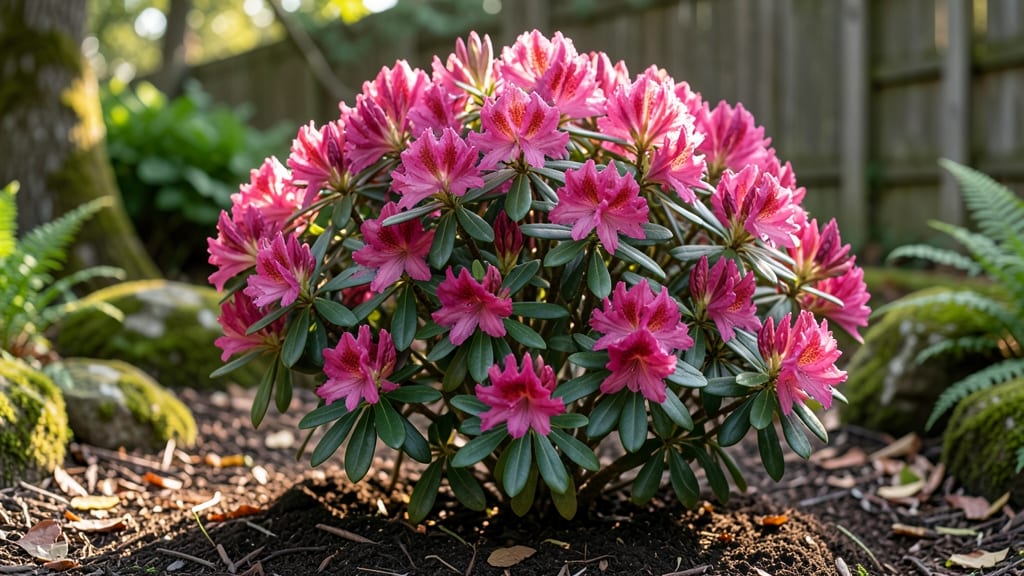
Your azalea bush bloom time depends entirely on the variety you’ve planted, with some varieties lighting up your garden as early as late April and others waiting until June.
Picture this: you’ve waited all winter for that burst of color 🌸, only to realize your azaleas are playing by their own rules. The truth is, timing varies wildly—even within the same region—so knowing your specific type is the key to planning your spring garden perfectly.
From early bloomers like the Rhododendron ‘Girard’s Pink’ to late-season stars like the Encore series, each azalea has its own schedule. Throw in climate quirks and care habits, and you’ve got a recipe for either a showstopping display or a season of disappointment.
Here’s how to predict your azalea’s peak bloom window, extend the flowering period, and troubleshoot if your bushes skip the show entirely—so you can enjoy those vibrant blooms for weeks on end.
Azalea bloom time by variety: early, mid, and late season bloomers
Azaleas are among the most anticipated spring bloomers, but their bloom windows vary dramatically by variety. Some burst into color as early as late February, while others wait until June or even fall.
Understanding these differences helps you plan your garden for a continuous color show—or troubleshoot if your azaleas are late to the party. Let’s break down the three bloom categories and the factors that shift their timing.
Most azaleas fall into early, mid, or late-season bloomers, with some varieties offering repeat blooming in fall. The USDA hardiness zone where you garden also plays a critical role: cooler climates (Zones 4-6) may see blooms 2-4 weeks earlier than warmer regions (Zones 7-9).
For example, Kurume azaleas in Zone 7 might bloom in April, while the same variety in Zone 5 could start as early as March.
Here’s a quick reference for the most popular azalea types and their typical bloom windows, adjusted for regional growing conditions:
| Variety | Bloom Time | USDA Zones | Regional Adjustment | Notes |
|---|---|---|---|---|
| Rhododendron ‘Girard’s Pink’ | Early: Late March–Early April | 4–8 | Zones 4–5: 2 weeks earlier | Classic spring bloomer; fragrant pink flowers. |
| Encore Series (e.g., ‘Autumn Red’) | Mid: May–June + Fall: September–October | 6–9 | Zones 6–7: 1 week later in spring | Repeat bloomer; ideal for extended color. |
| Kurume Hybrids (e.g., ‘Hino Crimson’) | Early: April–Early May | 7–10 | Zones 8–9: 1–2 weeks later | Compact growth; dwarf varieties for borders. |
| Exbury Hybrids (e.g., ‘Pink Pearl’) | Late: June–July | 6–9 | Zones 6–7: Peak in late June | Larger blooms; heat-tolerant varieties. |
| Girard’s Series (e.g., ‘White Giraffe’) | Early: March–April | 4–8 | Zones 4–5: Late March; Zones 7–8: April | Tall shrub azaleas; dramatic height. |
The Encore series stands out as the only repeat-blooming azalea, offering two shows per year. If you’re in Zone 7 or warmer, these varieties often bloom in late spring and again in fall.
For example, ‘Autumn Red’ typically flowers in May–June and then again in September–October, giving you a 6-month color window with minimal effort. This makes them perfect for landscape focal points or container gardens.
For early-season bloomers like Rhododendron ‘Girard’s Pink’, timing is everything. In cooler climates (Zones 4–6), these azaleas may start blooming as early as late February, while in warmer zones (Zones 7–9), they’ll wait until April.
To encourage earlier blooms, plant in a sheltered location with morning sun and afternoon shade, and avoid late-season fertilizing, which can delay flowering.
If you’re in a warmer climate (Zones 8–10), late-blooming varieties like Exbury hybrids thrive. These azaleas often bloom in June or July, when many other spring bloomers have faded. Their heat tolerance makes them ideal for southern gardens, where traditional spring azaleas may struggle.
Pair them with summer-blooming perennials like black-eyed Susans or coneflowers to bridge the gap between spring and fall color.
One common mistake gardeners make is assuming all azaleas bloom in spring. While most do, fall-blooming varieties exist—especially in warmer regions. For instance, the ‘George L. Taber’ azalea is a late-season bloomer that lights up gardens in September–October.
To maximize your azalea’s potential, mix early, mid, and late-season varieties in your landscape. This creates a staggered bloom effect, ensuring your garden stays vibrant from
How to extend your azalea’s bloom season with simple care tips
Azaleas reward gardeners with stunning blooms, but their bloom season can feel disappointingly short. The good news? With a few targeted care adjustments, you can coax earlier buds or prolong those vibrant flowers by weeks.
The secret lies in understanding how azalea growth phases respond to timing—whether it’s pruning, feeding, or watering.
Most azaleas bloom in spring (March–May) or fall (September–October), but their peak window is often just 3–4 weeks. By aligning your garden maintenance with their natural cycle, you can shift blooms earlier or stretch them later.
Start with soil pH, since azaleas thrive in acidic conditions (pH 4.5–6.0)—a simple soil test can reveal if your plants are starving for nutrients.
- 1 Prune after blooming (May–June for spring bloomers, November for fall types) to avoid cutting off next year’s buds. Use clean, sharp shears and remove only dead or crossing branches.
- 2 Fertilize in early spring (March) and late summer (August) with an acid-loving plant fertilizer (8-3-9 NPK). Avoid high-nitrogen feeds in fall—they encourage leafy growth over buds.
- 3 Water deeply in morning (1–2 gallons per plant) to prevent stress. Drought or soggy soil both trigger bud drop. Mulch with pine bark (2–3 inches) to retain moisture and acidify soil gradually.
- 4 Adjust light exposure: Move spring bloomers to morning sun + afternoon shade to prevent heat stress. For fall bloomers (Encore series), provide bright indirect light year-round to encourage late-season buds.
- 5 Test soil pH annually—aim for 5.0–5.5. Amend with sulfur or peat moss if pH rises above 6.0. Aluminum sulfate (1 lb per 100 sq ft) lowers pH quickly but use sparingly.
For earlier blooms, focus on late-winter care. In February, apply a slow-release fertilizer and prune lightly to remove weak stems that steal energy from flower production.
This jumpstarts growth just as buds form. Conversely, to extend fall blooms, avoid heavy pruning in late summer—save it for November after flowers fade.
Don’t overlook the power of mulching. A 3-inch layer of pine bark not only retains moisture but also slowly acidifies soil over time. Replenish it annually in early spring to support bud development.
Pair this with consistent morning watering, and you’ll create the ideal conditions for prolonged blooming.
Remember, azaleas bloom on old wood (last year’s growth), so pruning at the wrong time can mean fewer flowers next season. If your azalea skips blooming, revisit your pruning timing and soil pH—these two factors account for 80% of bloom failures.
With these tweaks, you’ll enjoy longer, more abundant blooms year after year. 🌸