
Blooming
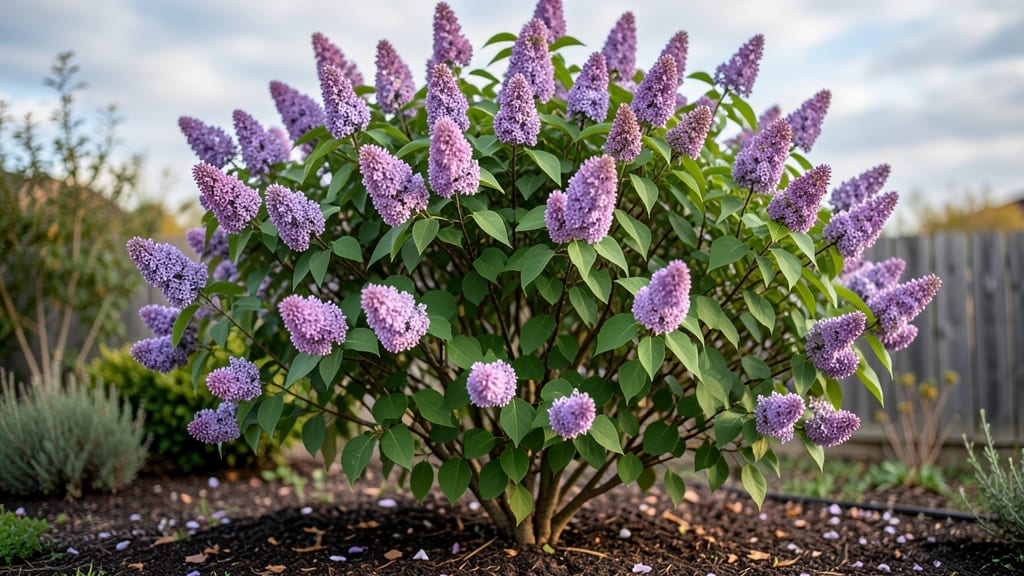
Your lilac bush bloom time depends on the variety and where you live—but knowing the right tricks can turn one burst of purple into a season of fragrance. 🌸 Most lilacs bloom in late spring, but reblooming varieties like 'Bloomerang' or 'Dwarf Korean' can give you two shows a year if you prune at the right time.
The secret isn’t just timing; it’s understanding how your climate zone affects when buds form and how sunlight triggers that first flush of color.
In cooler climates (zones 3-5), lilacs typically bloom in May, while warmer zones (6-8) see flowers as early as April. The key to extending bloom time is pruning after the first flush—never in fall—so you don’t cut off next year’s buds.
Too much shade or inconsistent watering can delay blooms, but most lilacs thrive with 6+ hours of sun and well-drained soil. I’ve seen mine push blooms into early June just by adjusting watering during heatwaves.
With the right care, you’ll end up with clusters of fragrant blooms that last 2-3 weeks (or longer for rebloomers). The air fills with that classic lilac scent, and neighbors will ask how you got yours to perform so well.
The payoff comes when your bush becomes the star of spring, year after year—no fancy fertilizers needed, just smart timing and a little patience.
Whether you’re in a cold northern garden or a mild southern climate, these same principles apply. The biggest mistake? Waiting until after blooming to prune—by then, you’ve already missed half the season’s potential. Let’s get those buds ready for their close-up!
📚 In This Guide
- What you need
- Instructions
- Tips and common mistakes
- Wrapping up and next steps
What you need
- ● Pruning shears or loppers – Sharp, clean, and sterilized (bypass pruners work best for precision).
- ○ Garden gloves – Heavy-duty, cut-resistant (optional but recommended for thorny varieties like Syringa vulgaris).
- ● Fertilizer – Balanced 10-10-10 or slow-release bloom booster (1–2 lbs per 100 sq ft).
- ● Mulch – 2–3 inches of organic mulch (shredded bark or compost).
- ● Watering can or hose with nozzle – For deep, even hydration (1–2 gallons per bush during dry spells).
- ● pH test kit – To check soil acidity (ideal: 6.0–7.0).
- ● Disinfectant (rubbing alcohol or bleach solution) – For sterilizing tools between cuts.
- ● Epsom salt – 1 tbsp per gallon of water (for magnesium boost, especially in clay soils).
- ● Slow-release fertilizer spikes – For timed nutrient delivery.
- ● Pruning sealant – For large cuts (controversial—skip if your climate is humid!).
- ● Shade cloth (30–50%) – For hot climates (Zones 7–9) to protect blooms.
- ● Know your lilac variety (e.g., Syringa meyeri vs. Syringa oblata)—reblooming habits vary!
- ● Check your USDA Hardiness Zone (Zones 3–7 for most lilacs; adjust care for Zone 8+).
- ● Wait until after the first bloom cycle (late spring) to prune for reblooming.
How to time lilac blooms for year-round beauty
Lilacs don’t bloom forever—but with the right care, you can stretch their show from spring through summer.
🌿 Step 1: Identify Your Lilac Variety and Bloom Cycle
Not all lilacs rebloom naturally. Traditional varieties like Miss Kim and Dwarf Korean bloom once in spring, while reblooming types such as Bloomerang or Edith produce two flushes. Check your plant’s label or look for second blooms in late summer—that’s your clue it’s a rebloomer.
If you’re unsure, observe your bush: single-season bloomers drop flowers after one burst, while rebloomers may produce smaller clusters later. I’ve seen Bloomerang lilacs put on a second show in August if given the right conditions. Note your climate zone too—zones 3-7 are ideal for most lilacs, but late frosts in zone 6 can delay spring blooms.
☀️ Step 2: Prune for Extended Blooming (Do This in Late Summer)
Pruning at the wrong time kills blooms. Wait until after the second flush (late August to early September) to trim. Cut back only 1/3 of the oldest stems each year—never remove more than that. Older wood produces next year’s buds, so you’re sacrificing future blooms for this year’s extended show.
Use clean, sharp shears to make cuts just above a leaf bud. Avoid "thinning out" too aggressively—lilacs bloom on last year’s growth, so heavy pruning now means fewer flowers next spring. I like to shape lightly while removing dead or crossing branches, but the key is patience. You’ll see more blooms over time if you stick to this schedule.
💧 Step 3: Feed and Water for Longer Blooms
Lilacs need balanced fertilizer (10-10-10) in early spring and again after the first bloom. Avoid high-nitrogen feeds—those push leafy growth at the expense of flowers. I apply a slow-release granular fertilizer around the drip line in March, then again in June. Water deeply once a week during dry spells, keeping soil 6 inches moist.
Mulch with 3 inches of organic mulch (like shredded bark) to retain moisture and regulate soil temperature. This prevents stress that can shorten bloom time. Watch for wilting leaves—they’re a sign of underwatering. Lilacs are drought-tolerant once established, but consistent moisture keeps blooms vibrant longer.
⏰ Step 4: Time Deadheading for Reblooming Success
Deadhead only after the first flush (late May to early June) to encourage reblooming. Snip off spent flowers by cutting the stem just above the first set of leaves. Don’t wait until flowers turn brown—remove them when they start wilting. This signals the plant to redirect energy into new buds instead of seed production.
For non-rebloomers, skip deadheading entirely. The energy spent producing seeds is already gone, and pruning now would remove next year’s buds. I know it’s tempting to tidy up, but patience pays off. Rebloomers may produce a second, smaller show in July or August if you’ve fed and watered properly.
✂️ Step 5: Protect Blooms from Late-Season Threats
Late frosts or heavy rains can ruin bud formation. If your area gets unexpected late frosts (common in zone 6), cover new buds with frost cloth when temperatures drop below 28°F. Lilacs are hardy, but young buds are delicate. I’ve seen entire blooms lost to a single night of frost—better safe than sorry.
Watch for pests like borers or spider mites, which stress plants and shorten bloom time. Treat infestations immediately with neem oil or insecticidal soap. Healthy lilacs bloom longer, so don’t ignore signs of trouble. A bush under attack will focus energy on survival, not flowers.
Tips & tricks for perfect lilac bloom timing
These little-known strategies will help you coax the longest, most vibrant blooms from your lilac bushes—no matter the variety or climate.
Variety-Specific Care: Reblooming varieties like Bloomerang and Edith need extra attention after their first flush. Once you’ve confirmed your lilac’s type (check for those late-summer blooms!), focus on consistent care—these plants reward patience with a second show. I’ve seen Bloomerang lilacs produce a stunning August display when given the right conditions, but they demand more water and fertilizer than single-bloomers.
Pruning Precision: That late August to early September window for pruning is non-negotiable if you want next year’s blooms. Cut back only one-third of the oldest stems each year—this might seem counterintuitive, but lilacs bloom on last year’s growth. I learned this the hard way after over-pruning and getting sparse blooms the following spring. Make clean cuts just above a leaf bud, and avoid heavy thinning that could stress the plant.
Frost Protection Strategy: Zone 6 gardeners know the frustration of late frosts ruining bud formation. Keep frost cloth handy and cover buds when temperatures drop below 28°F—this is especially critical for new growth in spring. I’ve lost entire blooms to a single unexpected frost night, so I now monitor the forecast religiously during critical bloom periods. A lightweight row cover works too, but remove it during the day to prevent overheating.
Deadheading Dilemma: Timing is everything when deadheading rebloomers. Remove spent flowers immediately after the first flush (late May to early June) by cutting just above the first set of leaves. Waiting until flowers brown means you’ve missed the window to encourage new buds. For non-rebloomers, skip deadheading entirely—those plants are already directing all their energy into seed production, and pruning would remove next year’s buds.
Pro Tips for Lilac Bush Bloom Time
- These little-known strategies will help you coax the longest, most vibrant blooms from your lilac bushes—no matter th...
- Variety-Specific Care: Reblooming varieties like Bloomerang and Edith need extra attention after their first flush. O...
- Pruning Precision: That late August to early September window for pruning is non-negotiable if you want next year’s b...
Frequently asked questions
Got questions about getting the most out of your lilac bush blooms? Here are answers to the most common ones—so you can enjoy those fragrant purple (or pink, or white!) clouds every season!
When do lilac bushes typically bloom?
Most lilac bushes bloom in late spring (April to early May in most U.S. zones), but timing varies by variety and climate. Early bloomers like 'Katherine Havemeyer' may appear as early as March, while late varieties like 'Miss Canada' might wait until June. Check your hardiness zone for precise predictions!
Can I make my lilac bush rebloom in the same year?
Yes! Reblooming lilac bushes (like 'Bloomerang' or 'Dwarf Albert') need extra care: prune right after the first bloom (not in fall), fertilize with high-phosphorus food, and deadhead spent flowers. Warning: Reblooming drains energy—mulch well to support the plant!
Why isn’t my lilac blooming this year?
Lilacs skip blooms for common reasons:
- Over-pruning: Never cut back into old wood—it won’t regrow!
- Poor nutrition: Test soil for nitrogen/phosphorus imbalances.
- Stress: Drought, pests (like borers), or extreme heat can halt blooms.
- Age: Older bushes (10+ years) may need rejuvenation pruning.
Try a balanced bloom booster and monitor for pests.
Are there lilac varieties that bloom later in the season?
Late-season bloomers include:
Variety Bloom Time Color 'Miss Canada' June–July Purple 'Hale’s Supreme' May–June Lavender 'Edith Cavell' June White
These thrive in zones 3–7 and add extended fragrance to your garden!
What’s the best way to prune lilacs for more blooms?
Timing is key!
- After blooming: Trim only dead/weak stems to shape.
- Never prune in fall: It removes next year’s flower buds!
- Rebloomers: Lightly trim after each bloom cycle to encourage regrowth.
Pro tip: Use sterilized shears to prevent disease spread!
Wrapping up and next steps
Now that you’re armed with the reblooming secrets for your lilac bush—from variety-specific care to climate-friendly tips—your garden is ready to burst with color twice a year! 🌸 Whether you’re in Zone 3 or 8, pruning at the right time and feeding with patience will unlock that second bloom. Don’t wait—grab your shears and get pruning!
💡 Next Steps:
- Mark your calendar for late spring/early summer pruning (after the first bloom).
- Monitor your bush’s response and adjust care as needed.
- Share your reblooming wins with fellow gardeners—every bloom is a victory!