
Blooming
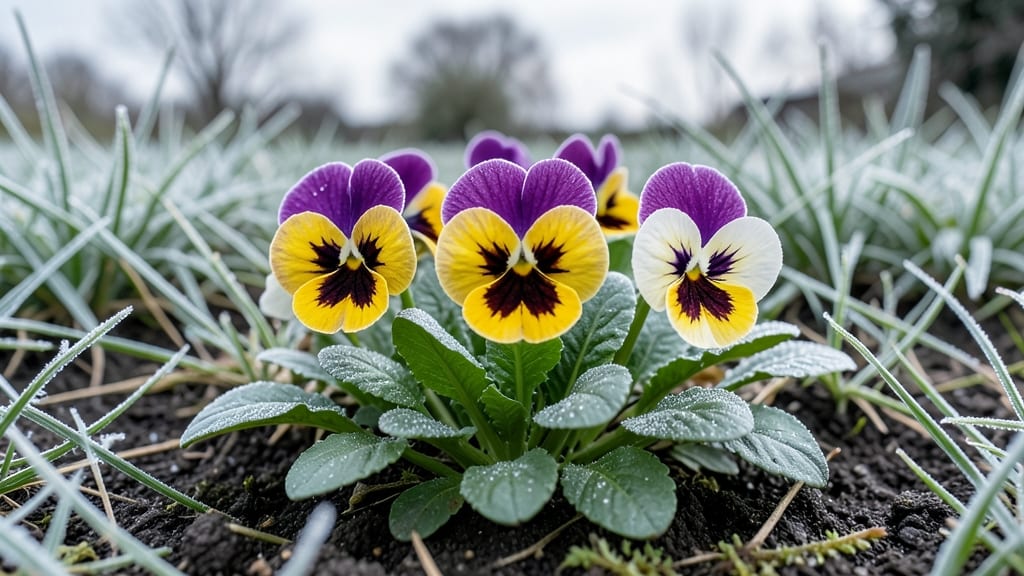
Spring’s earliest blooms bring color and life before summer’s heat sets in. These 10 hardy flowers defy frost, thrive in cool weather, and create vibrant displays that attract pollinators—perfect for gardeners eager for an early burst of beauty.
Snowdrops Galanthus Nivalis
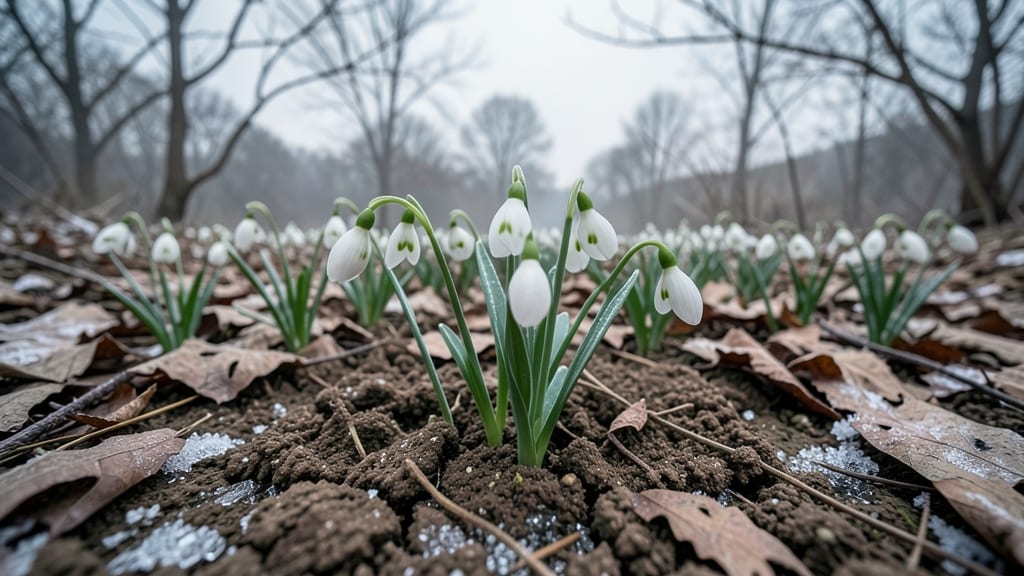
When winter refuses to let go and your garden looks like a blank canvas, **snowdrops (Galanthus nivalis) arrive like tiny messengers of spring. These delicate white blooms push through frozen soil as early as late January, often peeking through snow or leaf litter to announce the season’s renewal.
Perfect for shady, cold climates, snowdrops thrive in partial to full shade and well-drained soil. Plant bulbs in fall (September–October) for blooms the following winter, and enjoy their year-round foliage that stays green even after flowers fade. Their toxic nature deters deer and rabbits, making them low-maintenance and reliable.
Ideal for woodland gardens, under trees, or along north-facing walls, snowdrops bring early pollinator support** and a touch of magic to dormant landscapes. Beginners and woodland gardeners will love their effortless charm. 🌱
Crocus Vernus Dutch Crocus
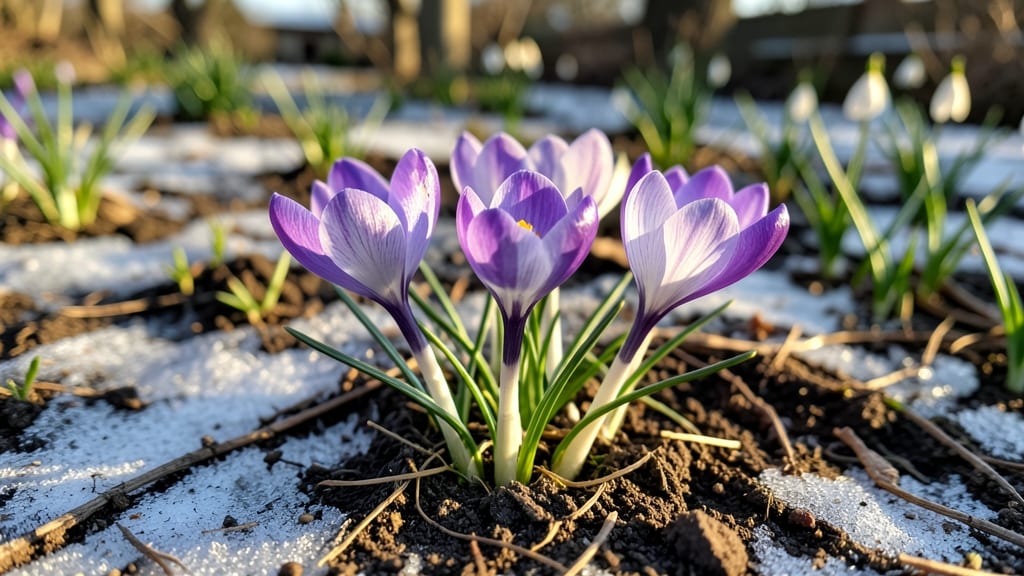
While snowdrops grace shady corners, Dutch crocus (Crocus vernus) steals the show in sunny spots with its bold purple or white blooms that emerge even when snow still lingers. These hardy perennials push through frozen soil as early as February, offering a splash of color when most gardens are still dormant.
Plant bulbs in full sun with well-draining soil, and they’ll reward you with clusters of cheerful flowers that bees adore. Their compact size makes them perfect for rock gardens, borders, or even containers—just ensure they get at least 6 hours of sunlight daily for best results. A single bulb can produce 5-10 flowers, creating instant impact.
Ideal for gardeners who want low-maintenance beauty, Dutch crocus thrives in USDA zones 3-8 and multiplies over time. Plant them in fall for next year’s early spring show! 🌻
Winter Aconite Eranthis Hyemalis
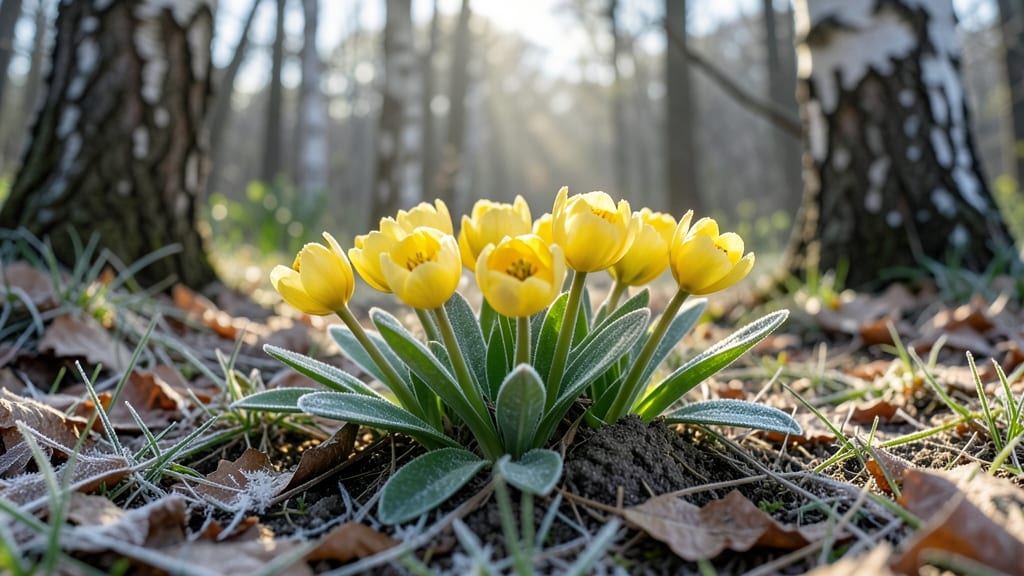
If you crave a bold splash of color in your garden before March even arrives, winter aconite (Eranthis hyemalis) delivers with its cheerful bright yellow blooms that push through frost-covered soil. Unlike many early bloomers, this woodland native thrives in partial shade, making it perfect for under trees where other plants struggle.
Plant the tuberous roots in fall for blooms as early as February, and enjoy their 4-6 week display before foliage appears. They’re drought-tolerant once established and multiply over time, creating natural colonies. The key? Well-drained soil—this plant despises soggy roots but otherwise asks for little beyond occasional deadheading.
Woodland gardeners and shade lovers will adore how winter aconite brightens dim corners, while urban gardeners can tuck it into containers for balcony charm. Its early bloom also makes it a pollinator magnet when few other flowers are available. 🌱
Hellebore Lenten Rose Helleborus Niger
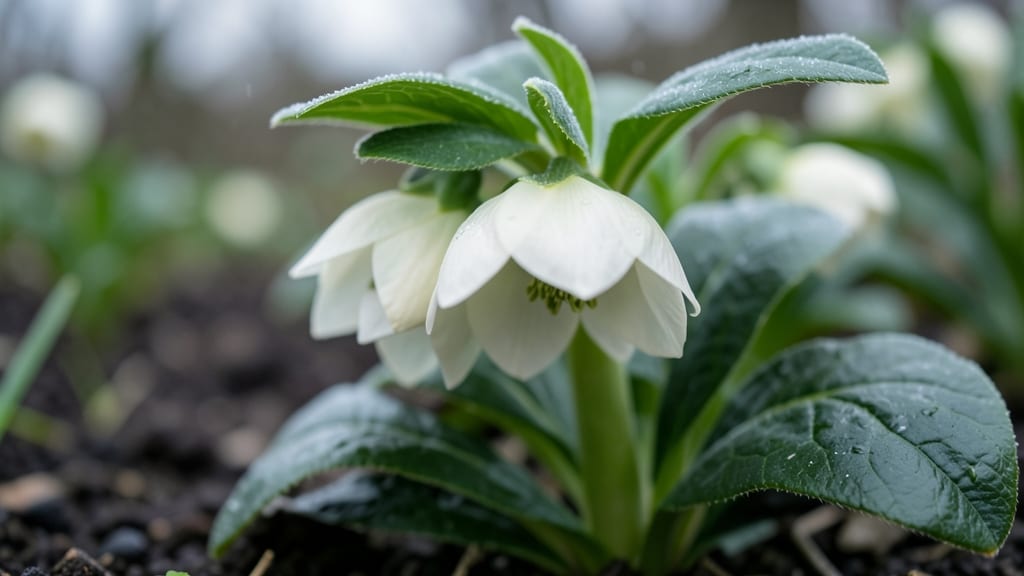
When you crave elegant, low-maintenance blooms that defy winter’s chill, Hellebore Lenten Rose (Helleborus niger) delivers. Unlike spring ephemerals that vanish quickly, these nodding white flowers bloom from late winter through early spring, offering a graceful show that lasts for weeks—even under dappled shade where most plants struggle.
Thriving in USDA Zones 4-9, hellebores demand little from you: plant them in partial to full shade, water occasionally (they’re drought-tolerant once established), and watch them reward you with long-lasting blooms that resist deer and rabbits. Their dark, leathery foliage adds year-round structure, making them the perfect understory plant for shrubs or trees.
Ideal for shade gardeners, woodland enthusiasts, and anyone tired of high-maintenance spring bloomers, hellebores prove that beauty and resilience go hand in hand. 🌷
Pulsatilla Pasque Flower
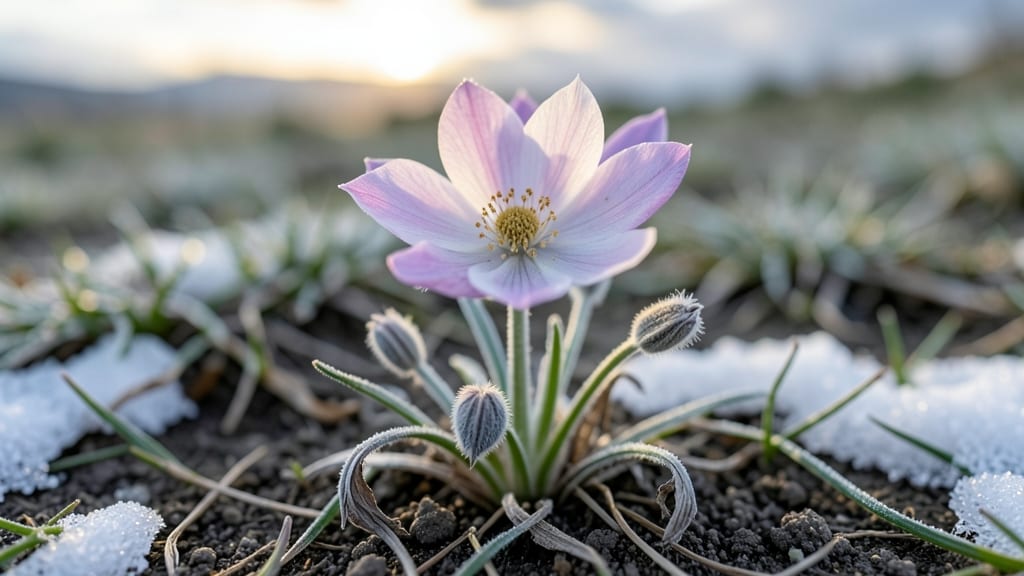
If you’re dreaming of a low-maintenance early spring star that thrives where others fail, meet the Pulsatilla (Pasque Flower). Its silky, bell-shaped blooms in soft pink, purple, or white emerge as soon as snow melts, offering a delicate splash of color that most other plants can’t match yet.
This hardy perennial loves poor, well-drained soil—ideal for rocky slopes, meadows, or even neglected corners of your garden. Plant bulbs in fall for early spring blooms, and enjoy year-round interest from its fern-like foliage. The real magic? It’s a pollinator magnet, attracting bees and butterflies when food is scarce. Just avoid overwatering—its roots despise soggy soil.
Perfect for beginner gardeners or those with tough growing conditions, Pasque Flowers reward patience with months of subtle beauty and a touch of wild elegance. 🌷
Primrose Primula Vulgaris
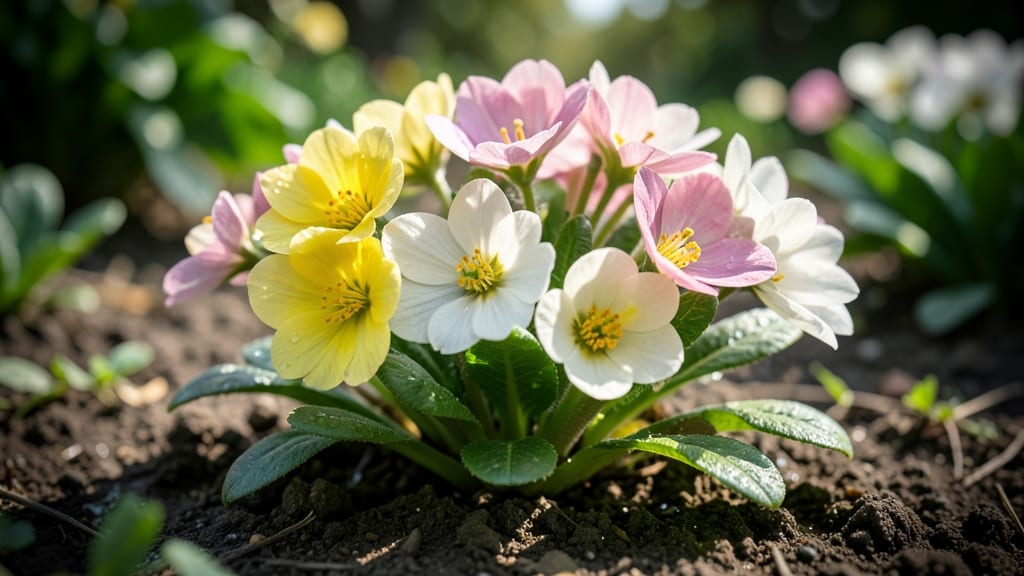
When you crave a burst of color that feels like a warm hug on chilly spring days, primrose (Primula vulgaris) delivers with its delicate, fragrant blooms in yellow, pink, or white. Unlike the frost-hardy snowdrops or crocuses that precede it, primrose thrives in moist, well-drained soil and becomes a showstopper in cottage gardens, where its clusters of flowers dance on stems above lush foliage.
This classic early bloomer emerges in late winter to early spring, often just as the first bees wake up, making it a pollinator magnet. Plant it in partial shade to full sun—just avoid waterlogged spots—and deadhead spent blooms to encourage a second flush of flowers. Primrose also self-seeds readily, so once established, it’ll naturalize beautifully, creating a low-maintenance carpet of color for years.
Perfect for gardeners who love romantic, old-fashioned charm, primrose pairs well with hellebores and pulmonarias for a layered woodland effect. Its sweet fragrance and cheerful blooms make it a must-have for beginner-friendly gardens craving effortless spring beauty. 🌷
Scilla Siberica Siberian Squill
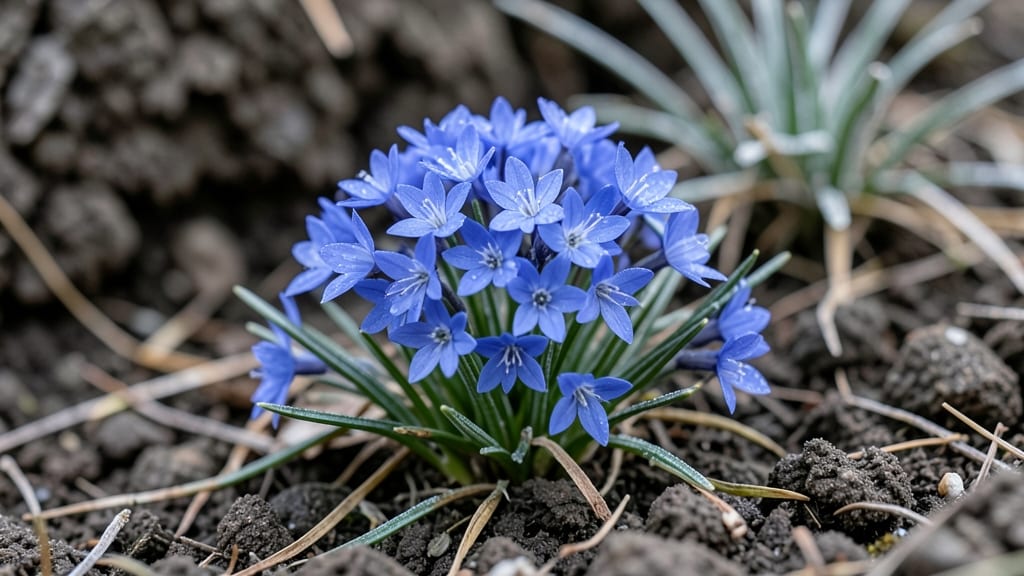
When you crave a burst of color that feels like a secret whisper of spring, Scilla Siberica—or Siberian squill—delivers. These tiny blue star-shaped flowers bloom before most perennials, transforming dull winter beds into cheerful displays by late winter or early spring.
Thriving in full sun to partial shade, Siberian squill is incredibly versatile. Plant bulbs in well-drained soil 3-4 inches deep in fall, and they’ll reward you with clusters of delicate blooms that last for weeks. Unlike many early spring flowers, they also tolerate dry conditions once established, making them ideal for borders, containers, or even rocky gardens.
Perfect for gardeners who want low-maintenance beauty with high impact, these bulbs multiply over time, creating naturalizing drifts. Urban gardeners and small-space enthusiasts will love how they brighten patios or window boxes with minimal fuss. 💚
Daffodil Narcissus Pseudonarcissus
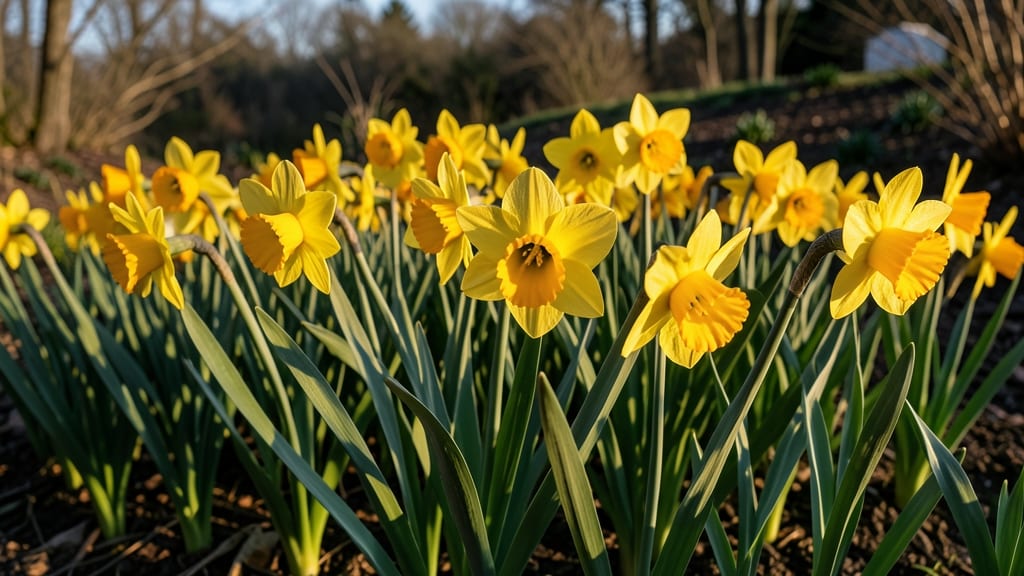
When you crave a bold statement among early spring bloomers, daffodils (Narcissus pseudonarcissus) deliver with their bright yellow trumpet-shaped flowers that seem to announce spring’s arrival. Unlike delicate blooms that fade quickly, these hardy perennials thrive in full sun and naturalize over time, creating lush, long-lasting displays that multiply each year.
Plant bulbs in fall (6-8 weeks before frost) in well-drained soil, and you’ll reward yourself with blooms as early as late winter or early spring. Their toxic nature deters deer and squirrels, making them low-maintenance stars in garden beds or containers. For maximum impact, pair them with snowdrops or crocus for a layered spring show.
Perfect for gardeners who want year-round interest, daffodils even produce foliage after blooming that adds texture until summer. Their cheerful color lifts spirits during the dreariest months. 🌻
Corydalis Lunaria Fumewort
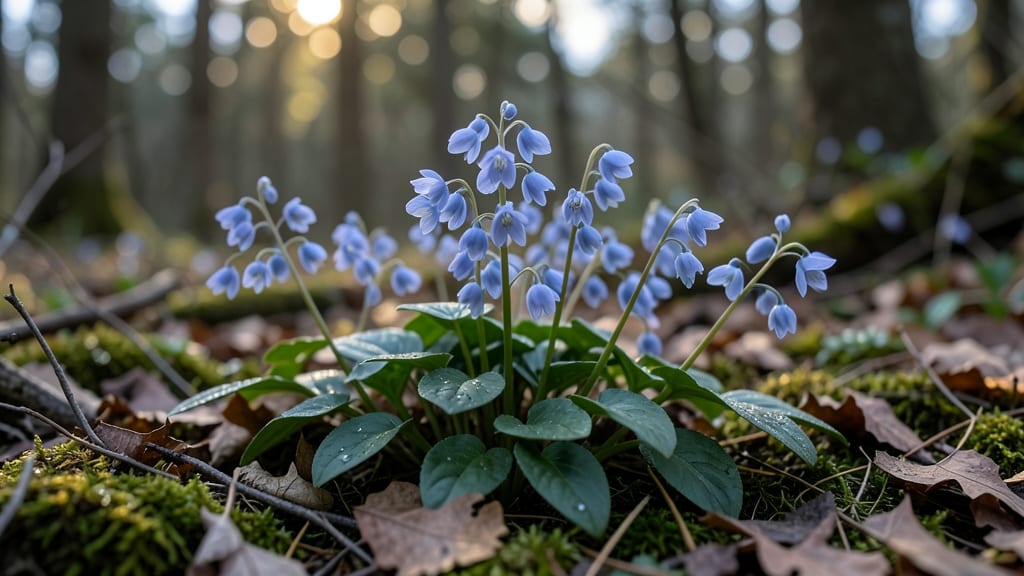
When your garden still looks bare in early spring, Corydalis lunaria (fumewort) steps in with its delicate, heart-shaped blue flowers that bloom even before many perennials wake up. Unlike sun-loving early bloomers, this shade specialist thrives in dappled light, making it perfect for woodland edges or under trees.
These self-seeding annuals grow 12-18 inches tall, creating airy vertical accents that dance in the breeze. Plant seeds directly in fall or early spring for spring and fall blooms, and enjoy minimal care—they tolerate dry soil once established. Their fern-like foliage adds texture year-round, while the flowers attract early pollinators like bees and butterflies.
Urban gardeners and woodland enthusiasts will love fumewort for its low-maintenance charm and ability to brighten shady spots without competition. 🌟
Viola Wittrockiana Pansy

When you crave year-round color but live in a climate with chilly springs, Viola Wittrockiana pansies are your secret weapon. These cheerful blooms defy frost, often emerging as early as February in many regions, and continue flowering until summer heat arrives—giving you 6+ weeks of vibrant displays when few other plants can compete.
Pansies thrive in containers or garden beds, making them ideal for urban balconies, window boxes, or mixed borders. Choose from over 100 colors, including deep purples, sunny yellows, and soft whites, to create eye-catching combinations. They even tolerate light frosts, so you can plant them 4-6 weeks before your last expected frost date for instant spring cheer.
Perfect for beginner gardeners or those with limited space, pansies require minimal care—just moderate watering and well-drained soil. Their edible flowers (yes, you can eat them!) add a bonus for culinary gardeners. 💚