
Blooming
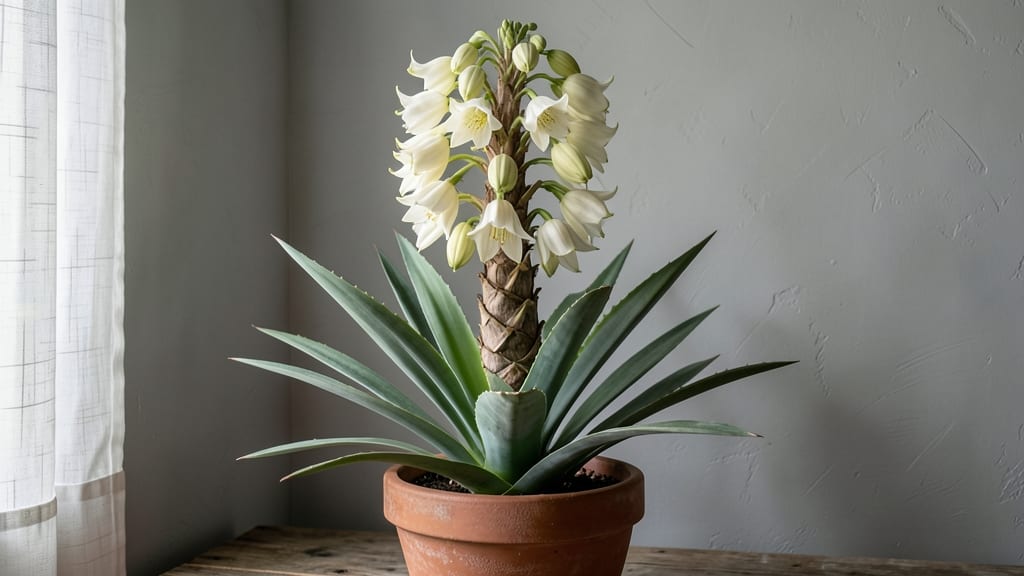
Your yucca plant’s dramatic bloom stalk transforms it from a sturdy accent plant into a showstopper. ✨ The first sign is a tight bud emerging from the center, followed by a towering stalk that can reach 6 feet tall—if you give it the right conditions.
I’ve watched mine go from zero to stunning in just 6-8 weeks, and I’ll show you exactly how to coax that process along. The secret lies in light, water, and patience. Yuccas bloom when they sense the right balance—too much water and they’ll focus on leaves, not flowers.
A sunny spot (at least 6 hours of direct light daily) and well-draining soil are non-negotiable. Once that stalk appears, resist the urge to prune it—it’s the plant’s way of saying, "I’m ready to shine." By summer’s end, you’ll have a jewel-toned display of bell-shaped blooms that attract hummingbirds.
The stalks themselves are architectural, with a woody texture that adds structure to any landscape. Even if your yucca skips a year, the right care keeps it primed for next season’s spectacle.
For those stubborn non-bloomers, we’ll troubleshoot later—often it’s just a matter of adjusting watering frequency or giving it a winter chill period. Let’s get those stalks standing tall!
📚 In This Guide
- What you need
- Instructions
- Tips and common mistakes
- Wrapping up and next steps
What you need
- ● Yucca plant: Mature yucca (at least 3–5 years old, 3–5 feet tall) with a healthy root system. Pro tip: Choose a variety like Yucca filamentosa or Yucca rostrata for reliable blooming.
- ● Balanced fertilizer: 10-10-10 or 20-20-20 (granular or liquid), 2–3 tbsp per plant (follow label instructions).
- ○ Slow-release fertilizer: Optional but helpful for steady nutrition (e.g., Osmocote, 1 cup per plant).
- ● Pruning shears: Sharp, sterilized shears (or clean scissors) for trimming spent blooms.
- ● Gloves: Heavy-duty gardening gloves to protect from sharp yucca edges.
- ● Watering can or hose: With a gentle spray nozzle for hydration.
- ● Mulch: Organic mulch (e.g., pine bark or shredded leaves, 2–3 inches deep) to retain moisture.
- ● Epsom salt: 1 tbsp dissolved in 1 gallon of water (for magnesium boost, applied monthly).
- ● Ph meter kit: To test soil pH (ideal range: 6.0–7.0 for yuccas).
- ● Plant supports: Small stakes or cages to prop up heavy bloom stalks if needed.
- ● Phosphorus-rich fertilizer: Like 5-10-10 (for flowering encouragement, 1 tbsp per plant).
- ● Compost or worm castings: To enrich soil naturally (1–2 cups per plant).
Step-by-step guide to encouraging yucca bloom stalks
Yuccas reward patience with dramatic, candle-like flower spikes—here’s how to coax them into blooming reliably.
🌱 Step 1: Provide the Right Light Conditions
Yuccas demand full sun exposure—at least 6-8 hours daily—to trigger blooming. Place your plant in a south- or west-facing window or under a grow light for 12-14 hours/day if indoors. I’ve seen yuccas refuse to bloom when kept in dim corners, even with perfect care.
Watch for these clues: Leaves turning pale or stretching toward light? That’s your plant begging for more sun. If outdoors, move it to a sunnier spot immediately—yuccas bloom best when stressed slightly by intense light.
💧 Step 2: Master Watering for Bloom Induction
Yuccas bloom when they experience dormancy-like conditions. Reduce watering in late summer to let the soil dry completely between waterings—this mimics their natural dry-season trigger. Use your finger to check: If the top 4-6 inches of soil feel bone-dry, it’s time to water.
Overwatering is the #1 killer of potential blooms. Yellowing leaf tips or mushy stems? You’re drowning your yucca. After 6-8 weeks of dry conditions, resume normal watering (when top 2 inches dry) to encourage stalk growth.
☀️ Step 3: Feed Strategically for Flower Development
Apply a balanced, low-nitrogen fertilizer (like 10-10-10) at half-strength in early spring, just as new growth begins. Too much nitrogen makes yuccas focus on leaves, not flowers. I fertilize again in mid-summer with a phosphorus-heavy formula (like 5-10-5) to support bloom development.
Stop fertilizing by late summer—this mimics the plant’s natural slowdown before dormancy. Watch for new growth: If you see tight, healthy rosettes forming, your feeding schedule is working. No new growth? Reduce fertilizer strength or frequency.
⏰ Step 4: Monitor for Bloom Signals
Yucca bloom stalks emerge from the center of the rosette as tight, upright buds that may appear fuzzy or waxy. These can take 4-8 weeks to unfurl fully, depending on your climate. In cooler zones, stalks often appear in late spring or early summer.
If your yucca produces no stalks after a year, it may need more light or dormancy stress. I’ve had stubborn plants bloom only after moving them outdoors for the summer—sometimes they need that seasonal shift to trigger flowering.
✂️ Step 5: Care for Blooming Stalks
Once stalks appear, keep watering consistent but not excessive—dry top 2 inches between waterings. Deadhead spent blooms by cutting stalks at the base with clean pruners once they turn brown, but leave some seed pods if you want new pups to form.
Never cut stalks before they fully die back—yuccas store energy in these structures for next year’s growth. If your plant looks weak after blooming, reduce watering again to help it recover before next season’s potential stalks form.
Tips & tricks for encouraging yucca bloom stalks
Yuccas don’t bloom on a whim—they need precise care to trigger those stunning flower stalks. Here’s how to give your plant the exact conditions it craves for reliable blooms.
Light Intensity Matters: The 6-8 hours of direct sun requirement isn’t just about quantity—it’s about intensity. South-facing windows provide the most powerful light, but if your yucca is indoors year-round, supplement with a full-spectrum grow light positioned 6-12 inches above the plant for those critical 12-14 hours. I’ve seen yuccas in east-facing windows take years to bloom because the morning light isn’t intense enough to trigger flowering hormones.
Watering Strategy: The 6-8 week dry period in late summer is non-negotiable for bloom induction. Use a moisture meter to verify soil dryness—yuccas stored in pots dry out faster than in-ground plants. If you’re unsure, err on the side of drier soil; yuccas store water in their leaves and can handle weeks without water once established. After this period, resume watering when the top 2 inches feel dry to the touch—this signals the plant it’s safe to focus energy on stalk development.
Fertilizer Timing: The early spring application of half-strength 10-10-10 fertilizer should coincide with new growth emergence. Look for tight, healthy rosettes forming—this is your cue that the plant is ready to receive nutrients. The mid-summer phosphorus boost (5-10-5) is where the magic happens for bloom development. I’ve found that applying this second feeding when day lengths start decreasing (typically late July in most climates) gives the best results. Stop fertilizing by late summer to mimic the plant’s natural dormancy cycle.
Seasonal Transition: If your yucca has never bloomed, try this: Move it outdoors for the summer, even if just for a few months. The combination of intense sunlight, temperature fluctuations, and natural seasonal changes often acts as the final trigger. I’ve had stubborn indoor yuccas bloom within weeks of their first outdoor exposure. Just be sure to harden it off gradually—sudden sun exposure can scorch leaves.
Pro Tips for Yucca Plant Bloom Stalk
- Yuccas don’t bloom on a whim—they need precise care to trigger those stunning flower stalks.
- Light Intensity Matters: The 6-8 hours of direct sun requirement isn’t just about quantity—it’s about intensity.
- Watering Strategy: The 6-8 week dry period in late summer is non-negotiable for bloom induction.
Frequently asked questions
Got questions about coaxing those dramatic yucca plant bloom stalks to life? You’re not alone! Here are answers to the most common queries—from timing tricks to troubleshooting woes.
Why isn’t my yucca blooming?
Yuccas often need maturity (3–5 years) and stress—like drought or winter chill—to trigger blooms. If your plant is young or pampered with too much water, it may skip flowering. Try withholding water for 2–3 weeks to mimic natural conditions.
How long does it take for a yucca stalk to bloom?
Once a stalk emerges, blooms typically appear in 4–8 weeks, depending on species and conditions. Yucca rostrata (soaptree yucca) often blooms faster (6–8 weeks), while Yucca filamentosa (Adam’s needle) may take longer. Patience pays off—stalks can last 2–3 months!
Can I force a yucca to bloom indoors?
Indoor yuccas rarely bloom without proper conditions, but you can try! Place the plant near a south-facing window for full sun, reduce watering, and mimic winter chill (50–60°F for 4–6 weeks). If it’s a potted yucca, a cool greenhouse or unheated garage might work.
What do I do if my yucca stalk turns brown or dies?
Brown or wilted stalks are often normal after blooming, but if it happens mid-season, check for:
- Overwatering (let soil dry completely between waterings).
- Pests (mealybugs or scale—spray with neem oil).
- Fungal issues (prune affected areas and improve airflow).
Are there yucca varieties that bloom more easily?
Yes! Yucca gloriosa (Spanish dagger) and Yucca flaccida (weakleaf yucca) are reliable bloomers in warm climates. For containers, Yucca elephantipes (spineless yucca) occasionally produces stalks with patience. Choose a species suited to your USDA hardiness zone (most bloom in zones 4–10).
Wrapping up and next steps
Watching your yucca plant bloom stalk rise with vibrant flowers is a rewarding experience that brings life and beauty to your space! 🌸 By mastering the right balance of light, water, and care, you can encourage year-round blooms and enjoy your plant’s stunning display.
Start experimenting with these tips today—your yucca will thank you with bold, healthy stalks!
Ready to take the next step? Share your progress with fellow plant lovers online or explore other tropical plants to expand your green collection! 🌿