
Blooming
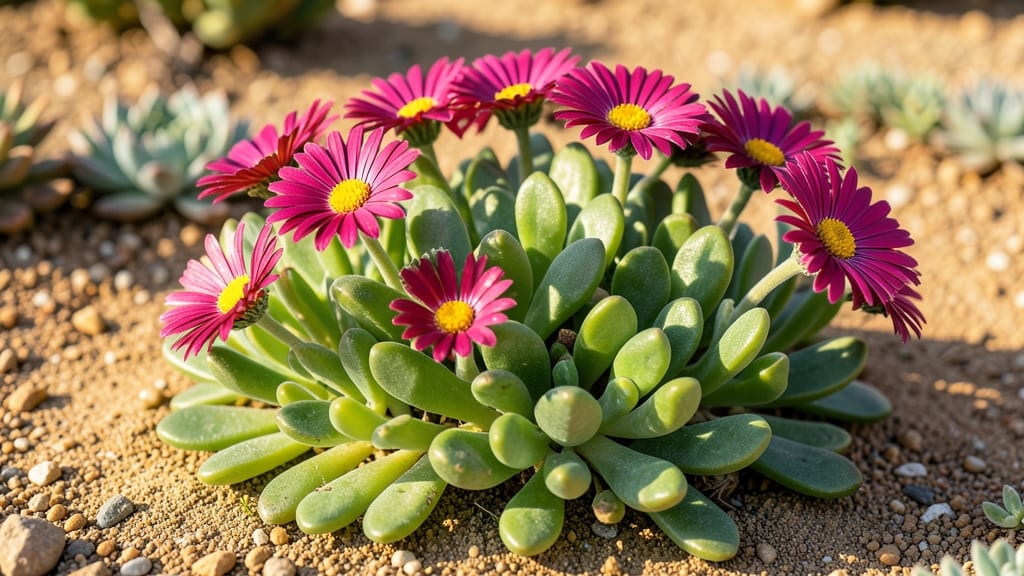
If you love vibrant, low-maintenance flowers that burst into color even in winter, ice plants (Delosperma and Lampranthus) are your perfect solution—but timing their blooms correctly by your hardiness zone means never missing a show.
In USDA Zone 6a, expect those striking 🌸 blooms to start in May and last until September, while coastal or desert gardeners might see them pop up almost any month.
The secret to their long bloom time? Full sun and well-draining soil. Too much water or shade, and you’ll get fewer flowers—or none at all. I’ve seen mine in Zone 6 push out new blooms after a light trim, which is why I always keep shears handy.
Below, I’ll break down the exact months for your zone, how to coax extra blooms, and what to do when they start fading. Spoiler: it’s easier than you think!

When do ice plants bloom by USDA hardiness Zone?
Ice plants (Delosperma and Lampranthus) are drought-tolerant superstars that thrive in USDA Zones 3-11, offering year-round blooms in mild climates and seasonal bursts in colder regions.
Unlike many flowers, they bloom even in winter when grown in Zones 7-11, while Zones 3-6 plants typically flower from late spring to fall. Understanding your zone’s timing ensures you never miss their vibrant, sun-loving displays—whether pink, purple, or white.
The key to predicting ice plant bloom time lies in your hardiness zone and local frost dates. In Zones 9-11, these plants can flower year-round with minimal care, while Zones 3-6 see spring-to-fall blooms, often peaking in June and July.
Varieties like Delosperma cooperi (the ‘Table Mountain Ice Plant’) and Lampranthus spectabilis (the ‘Showy Ice Plant’) have slightly different timelines, so let’s break it down by zone for precise planning.
| USDA Zone | Early Blooms | Peak Blooms | Extended Blooms | Notes |
|---|---|---|---|---|
| Zones 3-4 | Mid-June | July-August | September (if frost-free) | Needs winter protection; blooms after last frost. |
| Zones 5-6 | Late May | June-July | August-September | Blooms extend into fall if temperatures stay mild. |
| Zones 7-8 | April-May | May-July | August-October (year-round in Zone 8) | Some varieties bloom winter-to-spring with minimal care. |
| Zones 9-10 | February-March | March-May, September-November | Year-round with deadheading | Best for continuous color; prune spent blooms to encourage regrowth. |
| Zone 11 | January-February | February-April, August-October | Year-round with proper care | Most prolific blooms; requires full sun and sharp drainage. |
In Zones 3-4, ice plants are perennials that bloom late—typically after the last frost in mid-June—and thrive in hot summer conditions. If you live in Zone 4, protect your plants with mulch or a light frost cloth in winter to encourage stronger spring blooms.
The peak flowering period in these zones is July-August, but you can extend it into early September if temperatures stay above 50°F (10°C) at night.
Gardeners in Zones 5-6 enjoy earlier blooms, often starting as early as late May, with June-July being the showstopper months. For extended color, deadhead spent blooms in August to prompt September-October reblooms.
These zones benefit from well-draining soil—ice plants hate soggy roots—so amend clay soil with sand or gravel to prevent rot and ensure longer bloom cycles.
Zones 7-8 are the sweet spot for ice plants, offering spring-to-fall blooms and even winter flowers in Zone 8. In Zone 7, expect April-May blooms with a second flush in September-October. If you’re in Zone 8, you can enjoy year-round color by deadheading regularly and providing sharp drainage. These zones also support taller varieties like Lampranthus spectabilis, which can reach 18 inches and produce larger, showier blooms.
For Zones 9-11, ice plants are year-round performers with two major bloom cycles: winter-to-spring (February-April) and late summer-to-fall (August-October). In Zone 11, you might even see January blooms if conditions are ideal.
To maximize continuous flowering, prune back spent stems in June to encourage a second summer bloom. These zones also allow for container gardening, making ice plants perfect for patios and balconies where space is limited.
No matter your zone, sunlight is non-negotiable—ice plants need at least 6 hours of direct sun daily to bloom prolifically. If you notice fewer blooms or leggy growth, your plant may be shade-stressed. Move it to a sunnier spot or supplement with
How to extend ice plant bloom time naturally
Ice plants (Delosperma and Lampranthus) are famous for their long-lasting blooms, but with the right care, you can double or even triple their flowering season.
These succulent beauties naturally thrive in hot, dry conditions, but strategic techniques can coax them into blooming earlier, longer, or even year-round in milder climates. Whether you're in Zone 5 or Zone 10, these methods will keep your ice plants bursting with color well beyond their usual season.
One of the biggest secrets to extending bloom time is understanding their natural growth cycle. Ice plants are succulents, meaning they store water in their leaves and stems.
This adaptation allows them to survive drought but also means they hate soggy soil—a common mistake that can shorten blooming periods. By mimicking their arid native conditions and providing minimal, deep watering, you’ll encourage healthier roots and more abundant flowers.
Let’s dive into the proven techniques that work for gardeners in every zone.
🌸 5 Proven Ways to Extend Ice Plant Bloom Time
- Deadhead regularly – Remove spent blooms every 3-5 days to redirect energy to new flowers. Use clean, sharp pruning shears to avoid damaging stems.
- Amend soil with grit – Mix in coarse sand or perlite (20-30%) to improve drainage. Ice plants hate wet feet—this prevents root rot and encourages blooms.
- Water deeply but infrequently – Soak the soil once every 10-14 days in summer, then reduce to monthly in winter. Morning watering prevents fungal issues.
- Prune after blooming – Trim back 1/3 of the plant in late summer to promote new growth and fall/winter blooms in warmer zones.
- Overwinter strategically – In Zones 3-7, protect plants with mulch or frost cloth. In Zones 8-10, they may bloom year-round with minimal care.
Let’s start with deadheading, the simplest yet most effective way to prolong blooming. Ice plants produce clusters of tiny flowers that fade quickly if left unattended.
By pinching off spent blooms with your fingers or clean pruners, you signal the plant to focus energy on producing new buds instead of seeding.
I deadhead my Delosperma cooperi every 3-5 days during peak bloom, and the difference is staggering—my plants keep flowering for weeks longer than neighbors who skip this step.
Another game-changer is soil amendment. Ice plants despise soggy conditions, and heavy or clay soil can strangle their roots, leading to fewer blooms. Amend your planting area with coarse sand, perlite, or pumice to create a fast-draining mix.
For containers, use a cactus/succulent blend with 30% grit. This simple adjustment can double your bloom time by keeping roots healthy and stress-free.
When it comes to watering, ice plants are masters of drought tolerance, but they hate inconsistency. Overwatering is the #1 killer of blooms, while underwatering can stunt growth.
My rule of thumb? Water deeply once every 10-14 days in summer, then reduce to monthly in winter. Always water in the early morning to let foliage dry before evening—this prevents fungal diseases like powdery mildew, which can cut blooming short.
In Zones 9-11, where winters are mild, you might even see year-round blooms with this approach.
For gardeners in colder zones (3-7), seasonal pruning is key to encouraging fall and winter blooms. After your ice plants finish their main blooming season (usually late summer), trim back 1/3 of the plant using sterilized shears.
This stimulates new growth, which can produce secondary blooms in fall or even early winter if temperatures stay mild. In my Zone 5 garden, this trick has added 4-6 weeks of color to my Lampranthus spectabilis—a huge payoff for just 10 minutes of work!
Finally, overwintering can turn ice plants into year-round stars in the right conditions. In Zones 8-10, these plants often bloom continuously with minimal care. But in colder zones, a little protection goes a long way.
I use straw mulch around the base of my plants in Zone 6, which insulates roots and prevents freeze-thaw damage. For potted ice plants, move them to a sheltered spot or unheated garage (above freezing) to preserve blooms through winter.
With these strategies, you’ll enjoy vibrant ice plant flowers for months longer than you ever thought possible!