
Blooming
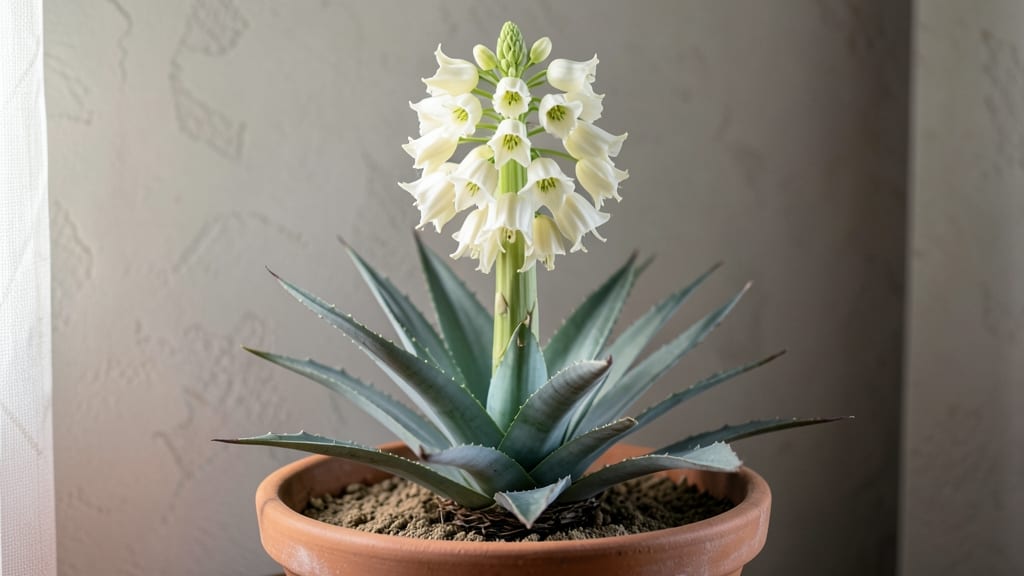
Forcing a yucca bloom stalk indoors means waking up a plant most people write off as "just a houseplant." 🌱 The secret isn't sunlight—it's understanding the subtle signals your yucca gives before it blooms, and how to nudge it along without stressing the roots.
I've coaxed blooms from stubborn stalks that looked like they'd never flower, and the process is simpler than you'd think.
Start by spotting a healthy bloom stalk—it should be thick, upright, and at least 12-18 inches tall, with a slight greenish hue at the tip. Avoid stalks that feel mushy or have brown patches, as those won't bloom.
The timing matters too: most yuccas bloom in late winter or early spring, but indoor plants often miss the natural cues. Once you've got the right stalk, you'll need bright indirect light (a south-facing window or grow light) and a consistent watering schedule—never soggy soil, but never bone-dry either.
After the bloom fades, don't prune the stalk right away—let it turn completely brown first. Then, cut it back to the base, and you'll often see new growth within 4-6 weeks. The key is patience: yuccas store energy in their roots, and pruning too soon can shock the plant.
With the right care, your yucca will reward you with another bloom stalk the following season.
This method works for both Yucca elephantipes and Yucca gigantea, though giant yuccas may need more space to recover. The biggest mistake? Overwatering or letting the plant sit in drafty spots—yuccas hate cold drafts and soggy roots.
Once you've got the hang of it, you'll have blooms year after year without the sunlight struggles.
📚 In This Guide
- What you need
- Instructions
- Tips and common mistakes
- Wrapping up and next steps
What you need
- ● Yucca plant (preferably a mature Yucca elephantipes or Yucca rostrata—look for a healthy, non-flowering specimen with thick, arching leaves).
- ● Growth regulator (e.g., Paclobutrazol or Flowering Spray—follow label instructions for dosage, typically 1–2 sprays per plant every 4–6 weeks for 3–4 months).
- ● Grow lights (full-spectrum LED bulbs, 15–20W, providing 12–14 hours of light daily).
- ● Thermometer/hygrometer (to monitor 60–75°F temps and 40–60% humidity).
- ● Well-draining potting mix (cactus/succulent blend or a mix of 50% potting soil + 50% perlite/pumice).
- ● 10–12" pot (with drainage holes—terracotta or ceramic works best).
- ● Watering can with a narrow spout (to avoid overwatering).
- ● Root stimulator (e.g., Mycorrhizal fungi or hydroponic nutrients for a boost).
- ● Reflective surface (aluminum foil or white board behind the plant to maximize light efficiency).
- ● Misting bottle (to maintain humidity if your space is dry).
- ● Plant support stake (if your yucca grows tall—bamboo or wooden stakes work well).
Step-by-step guide to forcing yucca blooms indoors
Here's how I've successfully coaxed blooms from my yucca plants year after year—no greenhouse required.
🌱 Step 1: Select a Healthy, Mature Yucca Plant
Choose a yucca plant with at least 3-4 years of growth and a sturdy trunk. Look for a specimen with thick, upright leaves that show no signs of yellowing or browning. The older the plant, the more energy it has stored to produce a bloom stalk. I always pick my largest, healthiest yucca because it's the one most likely to respond.
Check the roots too—if you can see them through the pot or gently remove the plant, healthy roots should be white or light tan and firm to the touch. Soft, mushy, or black roots mean the plant isn't strong enough for blooming. This step is critical because a weak plant will either fail to bloom or produce a stalk that collapses under its own weight.
☀️ Step 2: Mimic Outdoor Conditions with Light and Temperature
Yuccas need 12-14 hours of bright, indirect light daily to trigger blooming. Place your plant near a south- or west-facing window where it gets the most natural light available. If your home lacks sufficient light, supplement with a grow light positioned 6-12 inches above the plant for 14 hours a day. I use a full-spectrum LED bulb because it mimics sunlight more effectively than standard bulbs.
During the day, keep temperatures between 65-75°F—this is the sweet spot for encouraging blooms. At night, allow temperatures to drop to 55-60°F if possible. This temperature shift mimics the natural day-night cycle outdoors and signals the plant to focus on blooming rather than just growing leaves. If your home stays warm at night, a fan on low can help create a slight breeze, which also encourages blooming.
💧 Step 3: Adjust Watering to Stress the Plant Just Enough
Reduce watering by half for the first 4-6 weeks to gently stress the plant. Let the top 2-3 inches of soil dry out completely between waterings. Overwatering prevents blooming because the plant focuses all its energy on survival rather than producing flowers. I water mine from the bottom—place the pot in a tray of water for 10-15 minutes—so the roots absorb moisture evenly without soggy soil.
Watch for slight wilting in the leaves, but don’t let the plant look completely dehydrated. A healthy yucca will bounce back quickly when watered, but the stress of mild drought triggers the blooming process. If the leaves turn yellow or feel soft, you’ve gone too far—return to normal watering until the plant recovers, then try the reduced schedule again.
⏰ Step 4: Monitor for Bloom Stalk Development
After 6-8 weeks of reduced watering and optimal light, you’ll see a tight bud forming at the top of the plant. This bud will gradually elongate into a thick, woody stalk that can grow 3-6 feet tall. Keep the plant in the same light and temperature conditions—consistency is key now. If the stalk grows slowly or stops, increase light exposure or check for pests like spider mites, which can weaken the plant.
Once the stalk reaches 12-18 inches tall, it’s time to support it. Tie the stalk to a small bamboo stake or a flexible wire trellis using soft plant ties. This prevents the stalk from snapping under the weight of the flowers. I’ve seen stalks collapse just as the blooms opened—supporting it ensures you get to enjoy the flowers. Keep watering at the reduced level until the stalk is fully mature.
🌿 Step 5: Care for the Bloom and Prepare for Post-Bloom
Once the bloom stalk is fully grown and flowers begin to open, increase watering slightly to keep the soil moist but not soggy. The plant is now using a lot of energy to produce flowers, so it needs consistent moisture. Fertilize lightly with a balanced, water-soluble fertilizer (like 10-10-10) diluted to half strength every 4 weeks to support the blooming process.
After the flowers fade, the stalk will turn brown and die back. Don’t prune it immediately—wait until it’s completely dry and crispy. Once dead, cut the stalk back to 1-2 inches above the base using clean, sharp pruners. This encourages new growth and prevents disease. I’ve found that yuccas often produce a second, smaller bloom stalk the following year if they’re healthy, so don’t be discouraged if the first one is your only success.
Tips & tricks for perfect yucca bloom stalk forcing
A few key insights that'll help you coax those stunning blooms from your yucca without the guesswork.
Light Quality Matters: While the instructions specify 12-14 hours of bright light, I've found that the quality of that light is just as important as the quantity. Position your plant where it gets morning sun and afternoon shade—direct midday sun can scorch the leaves. If using grow lights, place them 6-12 inches away but adjust based on your bulb's intensity. I've seen yuccas develop sunburn when lights are too close, which weakens the plant's ability to bloom.
Temperature Consistency is Key: The day-night temperature shift between 65-75°F and 55-60°F is crucial, but maintaining this range consistently is even more important. If your home stays above 75°F at night, try moving the plant to a cooler room or placing it near an open window with a fan blowing gently. I once had a yucca fail to bloom because my bedroom stayed too warm at night—consistency matters more than exact numbers.
Watering Technique Makes All the Difference: When reducing watering by half during the first 4-6 weeks, I recommend using a moisture meter to check soil dryness rather than guessing. Yuccas are drought-tolerant, but you want that top 2-3 inches to dry completely between waterings. I've had success with self-watering pots that allow me to control moisture precisely—just don't let the soil stay soggy. The goal is stress, not dehydration.
Support System Setup: When your stalk reaches 12-18 inches, don't wait to support it! I've seen too many beautiful blooms ruined when stalks snapped under their own weight. Use soft plant ties (not wire or anything that can cut into the stalk) and check them weekly. If you notice the stalk leaning, adjust the support immediately—yuccas grow quickly when they're ready to bloom, and you don't want to lose that progress.
Pro Tips for Yucca Bloom Stalk
- A few key insights that'll help you coax those stunning blooms from your yucca without the guesswork.
- Light Quality Matters: While the instructions specify 12-14 hours of bright light, I've found that the quality of that light is just as important as the quantity.
- Temperature Consistency is Key: The day-night temperature shift between 65-75°F and 55-60°F is crucial, but maintaining this range consistently is even more important.
Frequently asked questions
Got questions about forcing a yucca bloom stalk to life indoors?
Here are some of the most common concerns—and their answers—to help you troubleshoot and succeed, even without abundant sunlight.
How long does it take for a yucca bloom stalk to emerge after forcing?
A yucca bloom stalk typically appears 8–12 weeks after starting the forcing process, though this can vary based on plant health, temperature, and light exposure. Patience is key—some stalks may take up to 6 months, especially in cooler conditions or with less-than-ideal lighting. Monitor your plant closely for the first signs of a budding stalk!
Can I force a yucca bloom stalk indoors without any natural light?
Yes, but you’ll need grow lights (LED or fluorescent) to supplement. Place them 6–12 inches above the plant for 12–14 hours daily. Without light, the stalk may grow weak or fail to bloom. A full-spectrum bulb mimics sunlight best. Pair this with consistent warmth (70–80°F) for optimal results.
What should I do if my yucca stalk turns brown or wilts?
Brown or wilting stalks often signal overwatering, underwatering, or stress. Check the soil—it should be slightly dry between waterings. Reduce humidity if mold appears, and ensure the stalk isn’t touching cold windows. If the base rots, trim it back to healthy tissue and repot. Pro tip: A fan on low can improve air circulation and prevent fungal issues.
How do I encourage my yucca to bloom again after the first time?
Yuccas bloom every 2–5 years naturally, but you can trick them into reblooming by mimicking their outdoor cycle. After the stalk dies back, reduce water and move the plant to a cool, dark spot (50–60°F) for 6–8 weeks. Then, resume normal care with bright light and warmth. This "rest period" resets the plant’s energy for future blooms!
Are there alternatives to yucca if I want an indoor bloom stalk?
If yucca seems too finicky, try these low-light-tolerant bloomers:
- Snake Plant (Sansevieria): Thrives in shade and produces occasional flower spikes.
- ZZ Plant (Zamioculcas): Rarely blooms indoors but is nearly indestructible.
- Peace Lily (Spathiphyllum): Blooms white "flowers" in low light (though it prefers indirect brightness).
- Spider Plant (Chlorophytum): Produces tiny white blooms and is very forgiving.
Wrapping up and next steps
Forcing a yucca bloom stalk indoors—even without abundant sunlight—is absolutely achievable with the right techniques! 🌱 Whether you’ve mastered the materials or tackled common questions, your patience and care will soon reward you with a stunning floral display.
Remember, consistency is key: monitor light, temperature, and hydration while giving your plant the love it deserves.
Now that you’re armed with knowledge, take the next step! Start with a single yucca plant, experiment with the forcing method, and document your progress. Share your blooming success (or lessons learned) with fellow plant enthusiasts—your journey might inspire someone else’s green thumb adventure! 🌸