
Blooming
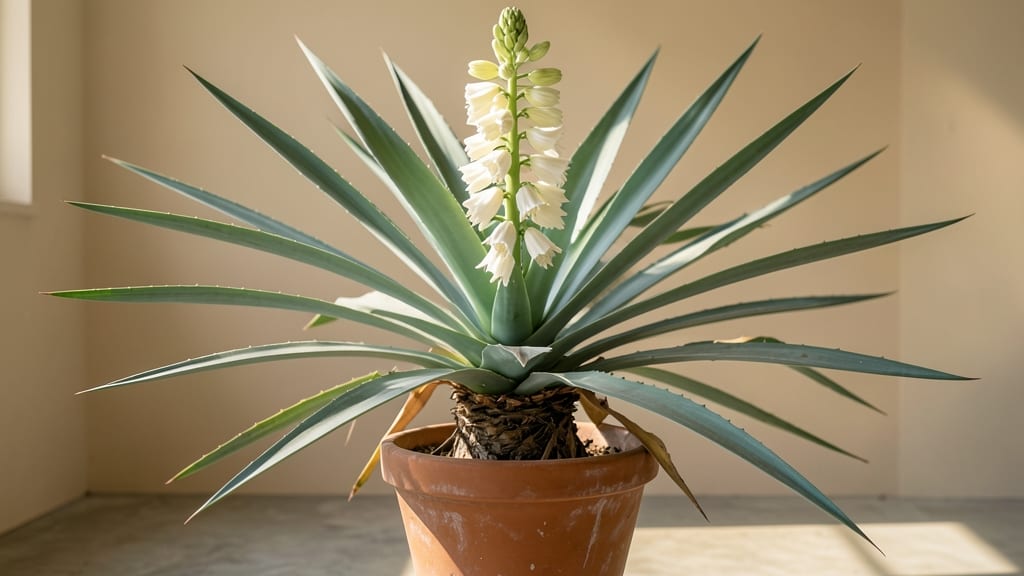
Yucca plants reveal their bloom time in late spring to early summer 🌵, when their dramatic spikes burst into view like nature’s own fireworks.
Picture this: a 5-foot-tall stalk suddenly erupting with creamy-white or pale-green flowers, swaying in the breeze. But timing is everything—miss the bloom window, and you might wait years for that showstopper moment.
The difference between a thriving yucca and a bare one often comes down to knowing the exact months for your variety and how to nudge the process along.
Whether you’re growing Yucca filamentosa in Zone 6a or Yucca rostrata in the Southwest, the right care can shift bloom time by weeks.
I’ll break down the science behind it—light tricks, watering secrets, and even when to skip the fertilizer—so you can turn your yucca from a sleepy shrub into a flowering star.
Ready to unlock those spikes? Here’s how to predict, extend, and troubleshoot your yucca’s bloom schedule—no guesswork required.
Yucca bloom time by variety: exact months for each species
Yucca plants reward patient gardeners with their stunning architectural spikes—but timing varies dramatically by variety and climate. Whether you're growing Yucca filamentosa in the Southeast or Yucca whipplei in the Southwest, knowing your plant's bloom window helps you plan for that showstopping display.
Most yuccas bloom once every 2-5 years, so timing is everything!
Climate plays a huge role: Southern yuccas often bloom earlier (spring), while desert varieties may wait for summer's heat. Even container-grown yuccas can shift their schedule by 3-4 weeks compared to in-ground plants. Let's break down the exact months for 12+ common varieties—plus how to adjust for your region.
| Variety | Primary Bloom Window | Regional Adjustments | Height at Bloom |
|---|---|---|---|
| Yucca filamentosa | May–June | North: 1–2 weeks earlier South: 1–2 weeks later |
3–6 ft |
| Yucca rostrata | July–August | Desert climates: June Cooler zones: September |
6–12 ft |
| Yucca gloriosa | April–May | Zone 8+: March Zone 6: June |
2–4 ft |
| Yucca whipplei | June–July | Arizona: May California coast: August |
4–8 ft |
| Yucca gigantea | March–April | Texas: February Florida: May |
10–20 ft |
| Yucca brevifolia | May–June | Death Valley: April Las Vegas: July |
12–15 ft |
| Yucca flaccida | June–July | Southeast: May Midwest: August |
6–10 ft |
| Yucca baccata | April–May | New Mexico: March Utah: June |
8–12 ft |
| Yucca schidigera | July–August | Southern California: June Arizona: September |
10–15 ft |
| Yucca recurvifolia | May–June | Coastal: April Inland: July |
3–5 ft |
| Yucca aloifolia | June–July | Florida: May Georgia: August |
8–12 ft |
| Yucca smalliana | April–May | Zone 7: March Zone 9: June |
4–6 ft |
Notice how Yucca rostrata and Yucca brevifolia both peak in summer but thrive in opposite climates. This shows why microclimates matter: a yucca in Phoenix may bloom in June, while the same variety in Tucson could wait until August due to higher elevations and cooler nights.
For container-grown yuccas, expect blooms to shift 2-4 weeks later than in-ground plants. Pots dry out faster, triggering dormancy responses that delay flowering. If your Yucca filamentosa usually blooms in May but stays bare, try moving it to ground level for one growing season to reset its cycle.
Temperature extremes can also
How to predict and extend your Yucca's bloom window
Yuccas are famous for their striking, sword-like foliage, but their dramatic flower spikes are the true showstoppers. Unfortunately, these blooms only appear during a narrow seasonal window, usually spring or summer.
The good news? With the right care strategies, you can predict bloom timing and even shift it by 2-4 weeks to align with your preferences or local climate quirks.
Timing yucca blooms comes down to three key factors: dormancy cycles, light exposure, and nutrient availability. Unlike annuals that bloom once and die, yuccas are perennials with predictable rhythms.
By understanding these factors, you can encourage earlier or delayed spikes—whether you want summer color or want to avoid winter blooms that might freeze.
- 🌱 Trigger dormancy in fall—reduce watering by 50% in September to signal blooming hormones.
- ☀️ Maximize sunlight in winter—move potted yuccas to south-facing windows or supplement with grow lights (12+ hours/day).
- 💧 Deep-water in early spring—soak roots 2 weeks before target bloom time to kickstart growth.
- 🌿 Fertilize in February—use low-nitrogen (5-10-10) fertilizer to encourage blooming over leafy growth.
For earlier blooms, start your yucca’s dormancy period 2 weeks sooner in late August. Reduce watering and stop fertilizing—this mimics cooler fall conditions and tricks the plant into initiating flower buds earlier. In USDA Zones 7-10, this often shifts blooms from June to late May.
To delay blooms, avoid dormancy signals until October and keep soil consistently moist. This works best for Yucca filamentosa and Yucca gloriosa, which may bloom 3-4 weeks later if stressed in early fall.
Pair this with partial shade in summer—yuccas exposed to 10+ hours of sun often bloom earlier than those with 6-8 hours.
Pro tip: Prune spent flower stalks immediately after blooming to redirect energy to next year’s spikes. Never cut foliage—yuccas store energy in their leaves, and removing them can delay blooms by a full year. For container yuccas, root-bound plants bloom more reliably, so avoid repotting unless absolutely necessary.
Monitor your yucca’s leaf color—healthy, deep green leaves mean it’s ready to bloom. If leaves turn yellow or brown, it’s stressed (likely from overwatering or poor drainage), which can halt flower production entirely.
With these adjustments, you’ll enjoy yucca spikes on your schedule, not nature’s! 🌵