
Blooming
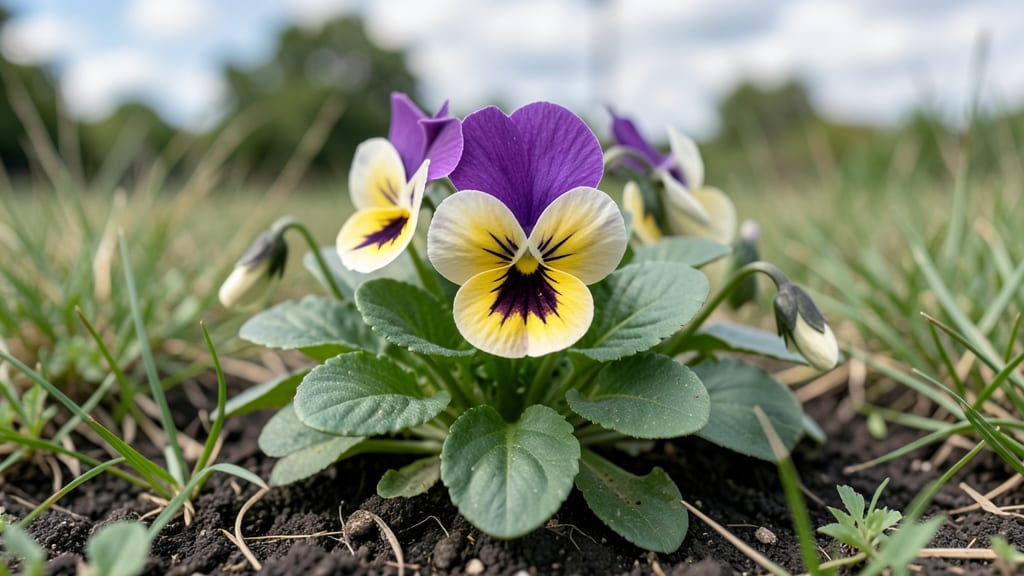
The pansy bloom time in early spring and late fall—when temperatures dip below 75°F—makes them the perfect cool-weather 🌸 showstoppers.
Picture this: your garden bursting with color just as winter loosens its grip, or a second wave of blooms when summer’s heat finally eases. That’s the magic of pansies—two peak bloom times in one season—but only if you plant them right.
In USDA Zone 6a, like where I garden, most varieties kick off their spring show in April and rebound in fall around October. Warmer zones? Expect blooms to shift later, while colder climates might see an extra early burst.
Below, I’ll break down the exact months for your favorite varieties, plus pro tips to stretch that bloom time from weeks into months—so you’re never without a splash of color.
Pansy bloom time by variety: month-by-month peak flowering schedule
Pansies are the unsung heroes of cool-season gardens, delivering bold colors and cheerful faces when many other flowers fade. But their bloom timing varies wildly by variety—some burst into color in early spring, while others shine through late fall.
Understanding these patterns lets you plan your garden’s color calendar with precision, ensuring you never miss a pansy-powered show.
I’ve grown pansies across USDA zones 3-10 and noticed that cold-hardy varieties in northern climates bloom earlier than their heat-sensitive cousins in the South. The key? Planting timing and variety selection—not just climate.
For example, ‘Matrix’ series pansies thrive in zone 5 and bloom from March to October, while ‘Cool Wave’ varieties in zone 9 may only shine from October to February.
Here’s the breakdown you’ve been waiting for—a month-by-month guide to pansy bloom times, tailored to popular varieties and USDA zones. Use this to align your planting with peak color expectations and extend your garden’s season.
| Variety | USDA Zones | Peak Bloom Months | Notes |
|---|---|---|---|
| Classic Pansies (e.g., 'Sorbet') | 3-10 | March-April, September-October | Early spring/fall bloomers; heat-sensitive |
| Early Bloomers (e.g., 'Cool Wave') | 4-9 | February-March, August-September | Tolerates mild winters; blooms earlier than standard types |
| Late Bloomers (e.g., 'Matrix') | 3-8 | April-May, October-November | Cold-hardy; extends fall color into winter |
| Violas (e.g., 'Johnny Jump-Up') | 5-10 | April-June, September-December | Smaller flowers; blooms later in spring |
| Cold-Hardy Giants (e.g., 'Big Smile') | 3-6 | March-April, September-October | Survives light frosts; larger blooms |
If you’re in USDA zones 3-5, focus on late bloomers like 'Matrix' for fall color that lasts until first frost. In zones 6-8, classic pansies and violations will give you two bloom cycles: once in spring and again in fall.
Meanwhile, zone 9-10 gardeners should prioritize heat-tolerant varieties like 'Cool Wave' for winter blooms when other plants rest.
Pro tip: Plant in stages—sow early bloomers in late summer for fall color, then add late varieties in early spring to bridge the gap until summer annuals take over. This layered approach ensures your garden stays vibrant year-round.
For northern climates, extend bloom time by mulching heavily in late fall to protect roots from freezing temperatures. In southern zones, provide afternoon shade during summer heat to prevent bolting and prolong flowering. Both strategies maximize your pansy investment.
One common mistake? Assuming all pansies bloom at the same time. 'Sorbet' pansies might peak in March, while 'Matrix' varieties could still be blooming in November in zone 5. Plan your garden layout around these timing differences—place early bloomers where you’ll see them first, like near walkways or entryways.
Finally, deadhead spent blooms every 2-3 days to encourage reblooming.
I’ve seen pansies produce flowers for 8+ weeks with this simple trick—far longer than the standard 3-4 week bloom cycle. Combine this with proper spacing (10-12 inches apart) and well-draining soil, and you’ll have pansies that perform like champions
How to extend pansy bloom time: pro tips for longer-lasting flowers
Pansies are nature's little miracles, bursting into vibrant color when most flowers fade—but their bloom time can feel short-lived. With the right care, you can stretch their flowering season from early spring to late fall, or even coax them into winter blooms in mild climates.
The secret lies in understanding their needs and making small adjustments that create big results.
Most gardeners assume pansies bloom for just a few weeks, but with proper techniques, you can enjoy their cheerful faces for months longer. Whether you're dealing with spring pansies fading too soon or fall blooms disappearing before winter, these proven strategies will keep your garden looking fresh.
Let's dive into the science—and simple steps—behind extending pansy bloom time.
-
1. Deadhead daily
Snip off spent blooms every morning to redirect energy to new flowers. Use clean scissors and cut just above the first set of leaves. -
2. Feed lightly
Use a low-nitrogen (5-10-5) fertilizer every 4-6 weeks. Over-fertilizing causes leafy growth, not blooms. Apply in evening hours to prevent burn. -
3. Adjust sunlight
In hot summers, move pansies to partial shade (4-6 hours sun). In winter, provide extra morning sun to boost flowering. -
4. Mulch properly
Apply 2-3 inches of organic mulch (straw or shredded leaves) to retain moisture and regulate soil temperature. Keep mulch 2 inches away from stems. -
5. Refresh soil
Amend planting areas with compost or aged manure before planting. Pansies thrive in well-draining, slightly acidic soil (pH 5.8-6.5).
One of the simplest yet most effective techniques is deadheading. I can't stress this enough—spending just 5 minutes each morning snipping off faded blooms can extend your pansies' flowering season by 30-50%.
The key is to cut the stem just above the first set of leaves, which encourages the plant to produce new side shoots and more flowers.
Use sharp, clean scissors to avoid damaging the stems, and always work in the morning when the blooms are dry and the plants are at their peak.
Light exposure plays a crucial role in pansy bloom time, especially in hot summer months. If your pansies start to wilt or produce fewer blooms during peak summer, they're likely getting too much direct sunlight.
Move them to a spot with morning sun and afternoon shade, or provide shade cloth if needed. In cooler climates, the opposite can be true—pansies may need extra sunlight in winter to keep blooming.
A simple adjustment like rotating your containers or relocating in-ground plants can make a world of difference.
Don't overlook the power of soil amendments either. Pansies prefer rich, well-draining soil with a slightly acidic pH. Before planting, mix in compost or aged manure to provide essential nutrients. You can also top-dress with a balanced, low-nitrogen fertilizer every 4-6 weeks during the growing season.
Remember, too much nitrogen will result in lush foliage but fewer blooms—so always follow the package instructions and avoid overdoing it.
For gardeners in mild winter climates, pansies can continue blooming well into December with the right care. Focus on protecting them from frost by applying a light layer of mulch around the base, and avoid fertilizing during cold snaps.
In spring, if your pansies look tired after their winter display, give them a light trim and fresh soil to restart their growth cycle. With these strategies, you'll enjoy continuous color from early spring through late fall—or even winter.
Finally, keep an eye out for pests and diseases, which can shorten bloom time if left unchecked. Aphids and spider mites are common culprits, but a simple spray of neem oil or insecticidal soap can keep them at bay.
Healthy pansies with vibrant foliage will always produce more blooms, so stay vigilant and address any issues promptly. With these pro tips, your pansies will reward you with longer-lasting, more abundant blooms all season long. 🌿