
Blooming
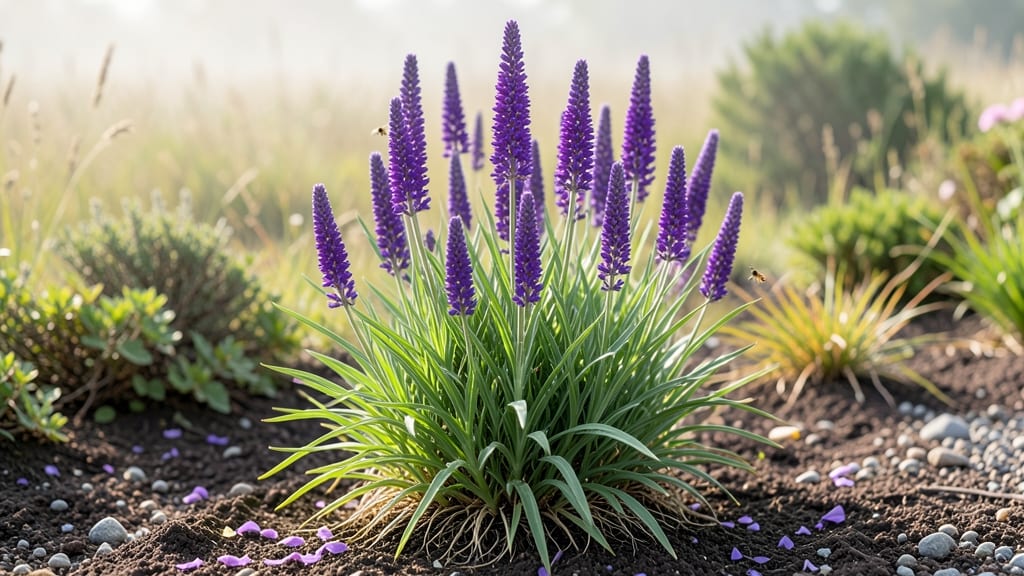
The Liatris spicata bloom time 🌸—typically late summer to early fall—can turn your garden into a purple paradise if you time it right.
If you’ve ever waited impatiently for those stunning purple spikes of Liatris spicata to appear—only to miss the brief but breathtaking bloom window—you’re not alone. The difference between a showstopping display and a missed opportunity often comes down to understanding its exact flowering schedule and how to encourage it.
This drought-tolerant native wildflower thrives in USDA Zone 6a and beyond, blooming from July to September when given the right conditions. But climate, soil, and even sunlight can shift those dates by weeks.
I’ll break down the precise months for your zone, plus the simple care tricks to stretch that bloom time for as long as possible.
Ready to turn your late-summer garden into a buzzing, purple spectacle? Here’s how to predict—and extend—your Liatris spicata bloom time like a pro.
Exact bloom months for Liatris spicata by USDA plant hardiness zones
Liatris spicata—commonly called Blazing Star or Gayfeather—delivers those iconic purple flower spikes in a predictable but zone-dependent window. Knowing your USDA hardiness zone helps you plan for its July–September show, with variations as wide as 3 weeks earlier or later depending on your region. Let’s break down when to expect those stunning blooms in your garden.
In cooler zones (3–5), blooms typically start in late July and stretch into early September, while warmer zones (6–9) see earlier starts—sometimes as soon as mid-June. Daylight hours and frost dates are the biggest factors, so I’ll show you how to predict your local bloom window using simple tools like a frost calendar or daylight tracker.
Here’s the key: Southern gardens (zones 7–9) often bloom 2–4 weeks earlier than Northern ones (zones 3–5), thanks to longer growing seasons. Even within the same zone, elevation and microclimates can shift bloom times by 1–2 weeks.
For example, a mountain garden in zone 5 might bloom later than a valley garden in zone 6.
| USDA Zone | Typical Bloom Window | Early Varieties | Late Varieties | Key Trigger |
|---|---|---|---|---|
| Zones 3–4 | Late July – Early September | 'Kobold' (early) | 'Alba' (late white) | 14+ hours daylight |
| Zones 5–6 | Early July – Mid-September | 'Floristan White' | 'Paprika' (deep pink) | Last frost + 90 days |
| Zones 7–8 | Mid-June – Late August | 'Garden Pink' | 'Munich' (dark purple) | 12+ hours daylight |
| Zones 9 | Late May – Early August | 'Alba' (white) | 'Kobold' (compact) | No frost threat |
🌸 Note: Bloom times shift 1–2 weeks based on elevation and local climate.
To predict your local bloom time, start with your last frost date. Liatris spicata needs 90–120 days of warm weather to flower, so add 3–4 months to your frost date for a rough estimate.
For example, if your last frost is April 15, expect blooms around July 15–August 1. Use a daylight calculator too—blooms often kick off when days hit 14+ hours of light.
For Northern gardens (zones 3–5), cooler springs can delay blooms until late July, while Southern gardens (zones 7–9) might see spikes as early as mid-June. If you’re in zone 6 or higher, consider planting early varieties like 'Floristan White' for a June kickoff.
In cooler zones, opt for late-blooming types like 'Alba' to extend your season.
One pro tip: Plant in full sun (6+ hours daily) to push blooms 1–2 weeks earlier. I’ve seen shady gardens delay blooms by 3+ weeks—so prioritize a south-facing spot for maximum impact. Well-draining soil also speeds up flowering by preventing root stress.
Regional variations matter too. Pacific Northwest gardens (zone 7–8) often bloom 2 weeks later than Southern California due to cooler coastal climates. Meanwhile, Midwest gardens (zone 5) can have earlier blooms in dry years because drought stress triggers flowering. Track your local rainfall patterns—too much water can delay spikes!
If you’re new to Liatris spicata, here’s a quick trick: Mark your calendar when you plant seeds or transplants. Add
How to extend Liatris spicata’s bloom time with proper planting and care
Liatris spicata (Blazing Star) rewards patience with its dramatic purple plumes, but those spikes only last a few weeks if you don’t optimize growing conditions. The secret to extending its bloom time lies in mimicking its native prairie habitat—well-draining soil, full sun exposure, and minimal interference. Unlike many perennials, Liatris spicata thrives on neglect once established, but a few strategic care steps can transform its 6-8 week bloom window into a near-season-long display.
Start by planting in late spring after frost danger passes—this gives roots time to establish before summer heat arrives. The root system of Liatris spicata is shallow but fibrous, so amending your soil with sand or perlite prevents the soggy roots that trigger early bloom decline.
A slightly alkaline pH (6.5-7.5) also encourages stronger stems and more abundant flower spikes. I’ve found that native wildflower mixes from local nurseries often contain the right microbial balance for this plant.
Sunlight is non-negotiable for Liatris spicata—6+ hours of direct sun daily is the minimum, but 8+ hours produces the most robust spikes. In my Zone 5 garden, plants in morning sun with afternoon shade bloom 2 weeks shorter than those in full south-facing beds.
If your yard has limited sun, consider container growing on a sunny patio or balcony. The trade-off? You’ll need to water more frequently since pots dry out faster.
Watering might seem counterintuitive—this drought-tolerant native actually hates soggy roots. The key is deep, infrequent watering: soak the soil 12 inches down every 7-10 days during establishment, then taper to every 2-3 weeks once mature.
I use a soaker hose set to low flow for 20 minutes to avoid surface puddles. Mulch heavily (3-4 inches of straw) to retain moisture while preventing weed competition. Overwatering in late summer can shorten bloom time by 30% by stressing the plant before its peak flowering period.
Deadheading isn’t just for tidiness—it’s the #1 trick to extend Liatris spicata’s bloom season. After the lower flower buds fade, snip the entire spent spike 1 inch above the next set of buds. This redirects the plant’s energy upward, often producing new blooms 2-3 weeks later.
I’ve had plants rebloom into early October in my garden when I deadhead consistently. Avoid cutting back into woody stems—this signals the plant to rest. For maximum impact, pair deadheading with a light application of compost tea (¼ cup per gallon of water) to replenish soil microbes.
Finally, resist the urge to divide Liatris spicata more than every 3-4 years. This plant forms dense clumps over time, and overcrowding reduces both bloom quantity and duration.
When you do divide, focus on replanting the largest, healthiest sections—smaller divisions take longer to establish and may skip blooming entirely the first season. In my experience, well-spaced plants (18-24 inches apart) produce 25% more flowers and bloom 1-2 weeks longer than crowded ones.