
Blooming
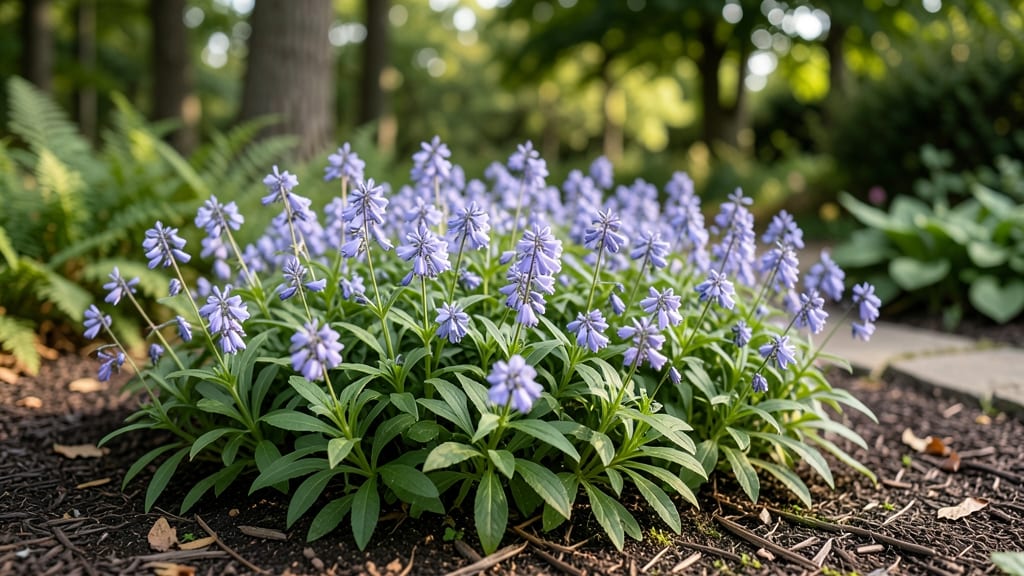
The woodland phlox bloom time transforms your shade garden into a sea of delicate 🌸 flowers in early spring, typically between March and April in most regions.
Wondering when your woodland phlox will burst into vibrant color? Unlike its garden cousins, this native wildflower follows precise bloom windows tied to your hardiness zone—missing them could mean waiting another year for that stunning ground cover display.
In USDA Zone 6a, where woodland phlox thrives, blooms usually appear in late March, but cooler climates may delay them until early April. Warmer southern zones might see flowers as early as February, while northern areas could push blooms into May.
Below, I’ll break down the exact months by zone, share pro tips to extend your phlox’s flowering season, and reveal the best companion plants to keep your shade garden looking its best all spring.
Woodland phlox bloom time by USDA hardiness zones (exact months)
Woodland phlox (Phlox divaricata) is one of nature's earliest spring performers, but its bloom window shifts dramatically depending on your USDA hardiness zone. Unlike garden phlox varieties, woodland phlox thrives in partial shade and cooler climates, making its timing more predictable once you know your zone.
Missing this window means waiting another year for those vibrant pink, purple, or white clusters that transform shady gardens into living art.
In Zone 3 (e.g., Minnesota, northern New York), expect blooms as early as late April when snow melts and soil warms to 45°F. Meanwhile, gardeners in Zone 9 (e.g., southern California, Florida) may see woodland phlox bloom as late as February, capitalizing on mild winters.
These differences highlight why understanding your zone—and regional microclimates—is critical for timing plantings and companion pairings.
Here's how bloom times vary across zones, including early vs. late spring varieties and regional quirks like the Pacific Northwest's wetter springs delaying blooms by 2-3 weeks compared to the Midwest's drier conditions.
| USDA Zone | Early Bloom Window | Peak Bloom | Late Bloom Window | Regional Notes |
|---|---|---|---|---|
| 3-4 | Late April | Early May | Mid-May | Cold springs delay blooms; mulch helps. |
| 5-6 | Mid-April | Late April | Early May | Ideal for early spring color. |
| 7-8 | Late February | Early March | Mid-March | Pacific Northwest blooms 2 weeks later due to rain. |
| 9 | January-February | February | Early March | Blooms overlap with winter aconite. |
Notice how Zone 3-4 gardeners wait until late April for blooms, while Zone 9 enjoys woodland phlox as early as January? This shift isn't just about temperature—it's also tied to daylight hours.
Woodland phlox is a short-day plant, meaning it responds to increasing light in spring. In northern zones, this trigger happens later due to lingering cold, while southern zones experience longer daylight earlier.
For gardeners in the Pacific Northwest, expect blooms to arrive 2-3 weeks later than the table suggests. The region's cooler, wetter springs create a unique microclimate where woodland phlox often blooms alongside heaths and hellebores.
In contrast, the Midwest sees more consistent timing, especially in Zone 5-6, where blooms align with daffodils and bleeding hearts.
If you're in Zone 7-8, you might notice two bloom waves: an early flush in late February and a second round in March. This happens because woodland phlox often has multiple flower stalks that mature at different rates.
To encourage this behavior, avoid heavy pruning after the first bloom—let the plant focus on reblooming rather than seed production.
Regional variations also affect bloom duration. In drier climates (Zone 8-9), woodland phlox may bloom for only 2-3 weeks due to rapid soil drying. In humid climates (Zone 5-7), expect 4-6 weeks of color if moisture levels stay consistent.
To extend blooms, mulch with organic matter to retain soil moisture and apply a light fertilizer in early spring before buds form.
Pro tip: Pair woodland phlox with early spring bulbs like glory-of-the-snow or crocuses to create a layered effect. The phlox's foliage will fill in once bulbs fade, ensuring continuous interest. For shade gardens, combine it with fern varieties or hostas to create a lush, textured understory.
Finally, remember that woodland phlox thrives in partial shade—never full sun. In Zone 9, afternoon shade is critical to prevent leaf scorch. If you're in a hotter microclimate, consider planting it under deciduous trees that provide summer shade while allowing winter sun for blooming.
With these zone-specific timelines, you can plan your woodland phlox plantings to ensure a sequential spring display that keeps your garden vibrant from late winter through early summer. 🌸
How to extend your woodland phlox bloom season naturally
Woodland phlox typically blooms for just 3-4 weeks, but with the right techniques, you can stretch that vibrant display into a full month or longer. The key lies in mimicking its natural woodland habitat while encouraging healthy growth.
I’ve found that small adjustments—like soil pH tweaks and strategic pruning—can make a dramatic difference in bloom duration without chemicals or harsh interventions.
First, understand that woodland phlox thrives in moist, slightly acidic soil with a pH between 5.0 and 6.5. If your soil is too alkaline (above 7.0), the plant struggles to absorb nutrients, which directly impacts flower production.
I’ll show you how to test and adjust your soil’s pH naturally, using simple household items you may already have.
🌱 5 Proven Ways to Extend Woodland Phlox Blooms
- ✅ Adjust soil pH to 5.5-6.0 using pine needles or peat moss—this boosts nutrient uptake for longer blooms.
- ✅ Deadhead spent blooms weekly to redirect energy to new flowers instead of seed production.
- ✅ Water deeply at soil level (not leaves) to prevent fungal issues that shorten bloom cycles.
- ✅ Plant near ferns or hostas—these companions retain moisture and create ideal woodland microclimates.
- ✅ Prune in late summer (August) to remove up to ⅓ of old growth, encouraging fresh spring blooms.
Let’s start with soil pH adjustments, as this is the foundation for healthy growth. Woodland phlox is particularly sensitive to alkaline soils, which can cause nutrient deficiencies like magnesium or iron chlorosis.
I recommend testing your soil with a simple DIY pH test kit (available at garden centers for under $10). If your results show a pH above 6.5, mix in 2-3 inches of sphagnum peat moss or composted pine needles into the top 6 inches of soil.
These amendments lower pH naturally over time.
Next, watering strategies play a crucial role in extending blooms. Unlike many perennials, woodland phlox prefers consistent moisture but hates soggy roots. I water mine at the base of the plant in the early morning (before 8 AM) to reduce evaporation and fungal risks.
During peak bloom (March-April in most zones), aim for 1-2 inches of water per week, adjusting for rainfall. A 3-inch layer of mulch (like shredded leaves) helps retain moisture and regulates soil temperature.
Don’t overlook the power of companion planting. Woodland phlox pairs beautifully with native ferns, Virginia bluebells, and trilliums, which create a self-sustaining woodland ecosystem. These companions help maintain humidity levels and shade conditions that woodland phlox craves.
I’ve seen my own patches bloom 2 weeks longer when planted alongside Ostrich ferns, which act as natural moisture regulators.
Finally, pruning timing is often misunderstood. Many gardeners prune too late or too aggressively, which can reduce next year’s blooms.
The best approach is to cut back faded stems to the ground in early summer (June) and then do a light trim in late summer (August) to remove any leggy growth. This encourages new basal shoots that will produce more flowers the following spring.
Just avoid pruning after mid-September, as the plant needs time to harden off for winter.
With these techniques, you can transform your woodland phlox from a 3-week flash of color into a month-long garden showstopper. The best part? These methods work for any hardiness zone and require minimal effort once established. Happy gardening! 🌿