
Blooming
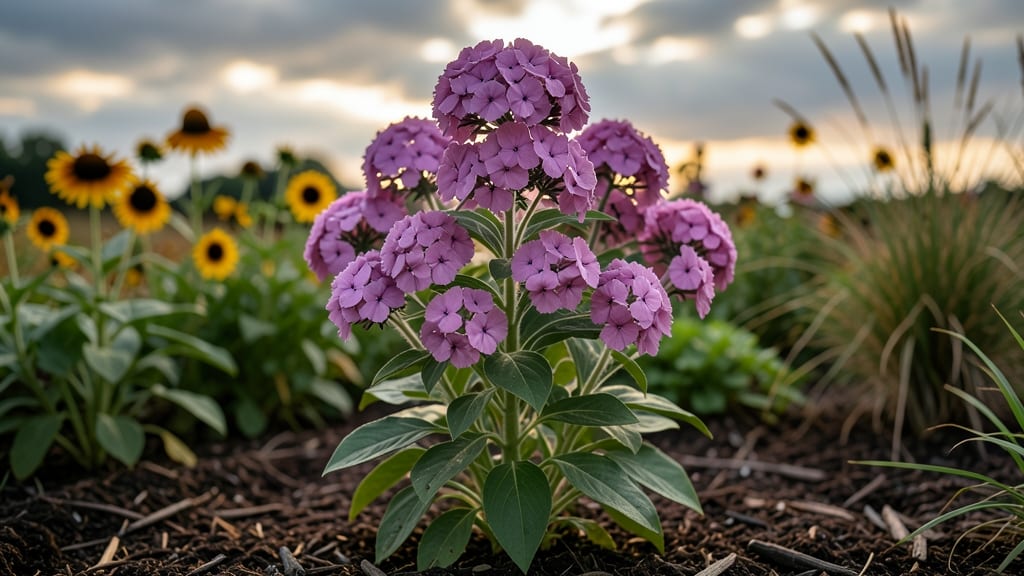
Phlox bloom time is the secret to turning your garden into a nonstop summer color show—if you plant at the right moment. 🌸 I've learned that timing is everything: plant too early, and you'll get leggy stems; too late, and you miss peak blooms.
The key lies in understanding your climate and variety, because garden phlox (Phlox paniculata) and creeping phlox (Phlox subulata) behave differently.
Most garden phlox blooms from mid- to late summer, typically between July and September, depending on your zone. Creeping phlox, on the other hand, puts on its best show in early to mid-spring, often before many other perennials even wake up.
The trick to extending blooms? Deadhead spent flowers regularly and fertilize lightly after the first flush—this encourages reblooming in many varieties.
Sunlight and soil make all the difference. Phlox thrives in full sun to partial shade and well-draining soil. If your garden gets hot afternoons, a little afternoon shade keeps stems sturdy and blooms vibrant. Amend heavy clay soil with compost to prevent root rot, which can shorten bloom time dramatically.
For maximum impact, pair phlox with companions like catmint or yarrow—they attract pollinators and fill gaps when phlox takes a break between bloom cycles. With the right timing and care, you'll have three months of color instead of just a few weeks. Here's how to make it happen!
📚 In This Guide
- What you need
- Instructions
- Tips and common mistakes
- Wrapping up and next steps
What you need
- ● Phlox plants: 10–20 bare-root or potted phlox plants (species like Phlox paniculata or Phlox subulata for varied bloom times)
- ● Pro tip: 💡 Choose early-, mid-, and late-season varieties to extend your bloom time!
- ● Soil: 2–3 cubic yards of well-draining, slightly acidic soil (pH 6.0–7.0) or compost-amended garden soil
- ● 1 bag (40 lbs) of organic compost or balanced fertilizer (10-10-10)
- ● Tools: 1 trowel or hand shovel
- ● 1 garden fork (for loosening soil)
- ● 1 pair of pruning shears (for cleanup)
- ● 1 watering can or hose with a gentle spray nozzle
- ● Mulch (2–3 bags of shredded bark or pine straw) to retain moisture and suppress weeds
- ● Slow-release fertilizer (e.g., Osmoote or Espoma) for extended blooms
- ● Stakes or small cages (if planting tall varieties like Phlox paniculata)
- ● Epsom salt (1 lb) for magnesium boost (especially for container phlox)
- ● Plant labels (to track varieties and bloom times!)
- ● Full sun to partial shade (6+ hours of sunlight daily for optimal phlox bloom time)
- ● Well-draining location (avoid soggy soil—phlox hates "wet feet")
- ● Patience! Phlox may take 1–2 years to reach peak blooming potential.
Step-by-step instructions for extending phlox bloom time
Here's how I stretch phlox blooms from a single summer burst to weeks of nonstop color.
🌱 Step 1: Select the Right Varieties for Extended Blooming
Phlox comes in two main categories: garden phlox (tall, summer-blooming) and creeping phlox (spring-blooming ground cover). For continuous color, I always mix tall garden phlox (like 'David' or 'Blue Paradise') with mid-height varieties (such as 'Jeana' or 'Lipstick'). The key is planting early-, mid-, and late-season bloomers together—this creates a staggered bloom sequence.
Check the back of seed packets for days-to-bloom estimates. I look for varieties with bloom times spanning 6-8 weeks (e.g., some start in early June, others peak in mid-August). This ensures one group fades just as another kicks in. Avoid single-variety plantings—they’ll all bloom at once and look like a fireworks display followed by silence.
☀️ Step 2: Plant in Full Sun with Strategic Light Management
Phlox thrives in 6+ hours of direct sun, but too much midday heat can shorten bloom time. I plant mine in morning sun with afternoon shade (using nearby trees or a lattice screen). This trick keeps foliage lush and blooms lasting longer. If you only have full sun, water deeply at the base during heatwaves—this prevents wilting that cuts blooms short.
Here’s the thing—phlox blooms best when daytime temps stay below 85°F. If your summers hit 90°F+ regularly, deadhead spent flowers twice weekly to redirect energy into new buds instead of seed production. I use clean pruners and snip just above the first set of healthy leaves—this encourages bushier growth and more blooms.
💧 Step 3: Water and Fertilize for Prolonged Blooms
Consistent moisture is non-negotiable. I water once weekly (or daily in heatwaves) until the top 2 inches of soil feel damp—never soggy. Overwatering causes root rot, which kills plants mid-season. For the first 4-6 weeks after planting, I add a balanced 10-10-10 fertilizer every 3 weeks to build strong roots. After that, switch to a low-nitrogen, high-phosphorus (like 5-10-10) to boost flowering.
Real talk: Phlox hates dry spells. If blooms start wilting, it’s often a sign of underwatering. I test soil moisture by sticking my finger in—if it’s dry past 1 inch down, that’s your cue to water. Mulch with 2 inches of shredded bark to lock in moisture and keep roots cool. This simple step can extend bloom time by 2-3 weeks in hot climates.
✂️ Step 4: Deadhead and Prune for Continuous Color
Deadheading is where the magic happens. I remove spent blooms every 3-4 days using sharp scissors—this prevents seed formation and forces the plant to produce more flowers instead. Cut back to the first healthy set of leaves below the bloom cluster. For tall varieties, I also prune leggy stems by 1/3 in early July to encourage bushier growth and prevent flopping.
Don’t skip this (I learned the hard way). If you let phlox go to seed, blooms will taper off suddenly—sometimes within a week. I set a reminder on my phone for every Wednesday and Sunday to check plants. It takes 10 minutes but adds 3-4 weeks to the show. For creeping phlox, a light trim after the first flush of blooms often triggers a second round in fall.
🌿 Step 5: Overwinter for Next Year’s Performance
After the first frost, cut back tall garden phlox to 6 inches and leave creeping phlox untouched. This protects roots from harsh winters while still allowing early spring growth. I add a 2-inch layer of mulch in late fall to insulate roots—this is especially critical in Zone 5 or colder. Phlox that survives winter well will bloom earlier and more vigorously the next season.
Here’s the trick for fall rebloom: If your climate has mild winters (Zones 7-9), leave some spent blooms on creeping phlox. The plant may surprise you with a second flush in October or November—just water lightly and enjoy the bonus color. In colder zones, focus on protecting the roots, and you’ll get longer, brighter blooms next summer.
Tips & tricks for perfect phlox bloom timing
Took me years of trial-and-error to master these little tricks—now I'll save you the headache I went through:
Variety Selection: When choosing your phlox varieties, look beyond just color—focus on bloom timing. I once planted an entire border of 'David' phlox only to have it all bloom at once. The fix? Mix in varieties with 2-3 week differences in bloom periods. For example, pair 'Blue Paradise' (early June) with 'Jeana' (mid-July) and 'Lipstick' (late August). This staggered approach creates a 6-8 week continuous display instead of a single flashy moment.
Heat Management: The 85°F threshold is critical—this is when phlox starts stressing. In hotter climates, I've found that creating afternoon shade (even with a simple shade cloth) can extend bloom time by 2-3 weeks. For those 90°F+ days, I water deeply at the base in the early morning to prevent wilting. Pro tip: Use drip irrigation instead of overhead watering to keep foliage dry and reduce fungal risks.
Deadheading Discipline: That 3-4 day deadheading schedule is non-negotiable if you want continuous blooms. I use clean pruners and cut just above the first healthy set of leaves—this encourages bushier growth. Here's what I learned the hard way: If you skip deadheading, blooms will fade within 7-10 days as the plant redirects energy to seed production. Set phone reminders for your deadheading days to make it automatic.
Fertilizer Transition: The switch from 10-10-10 to 5-10-10 after 6 weeks is crucial for extended blooming. Too much nitrogen (first number) promotes leafy growth at the expense of flowers. I apply the 5-10-10 fertilizer in early July when I notice the first flush of blooms starting to fade. This timing gives the plant a phosphorus boost (second number) just when it needs it most for flower production.
Pro Tips for Phlox Bloom Time
- Took me years of trial-and-error to master these little tricks—now I'll save you the headache I went through:
- Variety Selection: When choosing your phlox varieties, look beyond just color—focus on bloom timing.
- Heat Management: The 85°F threshold is critical—this is when phlox starts stressing.
Frequently asked questions
about phlox bloom time—because every gardener deserves a little clarity!When exactly should I expect phlox to bloom?
Most Phlox paniculata (garden phlox) blooms mid-to-late summer, typically from July to August, depending on your climate. Early varieties like 'David' may start as early as June, while late bloomers like 'White Delight' can extend into September. Phlox subulata (creeping phlox) blooms earlier, often April to May.
Can I extend my phlox bloom time?
Deadhead spent blooms regularly to encourage reblooming. For Phlox paniculata, fertilize lightly in early summer with a balanced 10-10-10 formula. Mulch around the base to retain moisture, and plant in full sun to partial shade for optimal performance. Some varieties, like Phlox 'Blue Paradise', are bred for longer bloom cycles.
What if my phlox isn’t blooming at all?
Several factors could be at play: overcrowding, poor soil, or lack of sunlight. Thin out plants if they’re too dense, amend soil with compost, and ensure they get at least 6 hours of sun daily. If phlox is leggy with few buds, it may need more phosphorus-rich fertilizer (like bone meal) in early spring. Phlox also needs well-draining soil—waterlogged roots can stunt blooms.
Are there phlox alternatives with similar bloom times?
If you love summer color but want variety, try these long-blooming perennials:
- Bee Balm (Monarda) – Blooms June–September
- Coneflower (Echinacea) – July–October
- Black-Eyed Susan (Rudbeckia) – July–September
- Shasta Daisy (Leucanthemum) – June–August
How often should I divide my phlox to keep it blooming?
Divide Phlox paniculata every 3–4 years in early spring or fall to prevent overcrowding and rejuvenate blooms. For Phlox subulata, divide every 4–5 years since it’s slower-growing. Look for yellowing leaves or reduced flowering as signs it’s time. After dividing, water deeply and fertilize lightly to encourage new growth.
Wrapping up and next steps
Timing your phlox bloom time isn’t just about luck—it’s a deliberate dance with nature that rewards you with months of vibrant color. By choosing the right varieties, preparing your soil, and planting at the perfect moment, you’ll turn your garden into a summer-long spectacle. 🌸
Ready to transform your outdoor space? Grab your gardening gloves, pick your phlox types, and get planting! For extra inspiration, explore seasonal companion plants to extend that bloom time even further. Happy gardening!