
Blooming
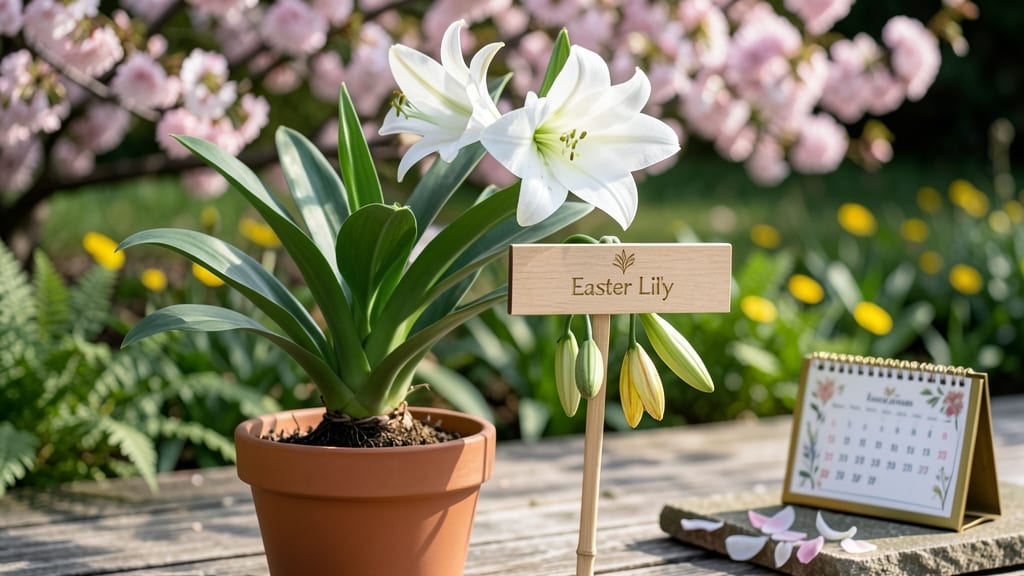
Easter lilies will bloom again only under ideal conditions, as they're seasonal perennials that naturally enter dormancy after their spring display. Most varieties focus all their energy on one spectacular bloom cycle, but with careful care—like proper light, moisture balance, and bulb division—some may produce a second round of flowers the following year.
This reblooming behavior hinges on two key factors: energy reserves and environmental triggers. 🌱 Most Easter lilies exhaust their stored energy during the first bloom, leaving little for subsequent cycles.
However, when you provide consistent moisture (but avoid soggy soil) and protect them from harsh winter elements, you give the plant a fighting chance to rebuild strength. I've seen dramatic improvements by dividing mature bulbs every 2-3 years—this refreshes their energy stores and often prompts new growth.
What surprises many gardeners is how light affects reblooming. These lilies thrive in bright, indirect light during their active months but need a period of cool darkness in winter to reset their biological clock.
Too much winter warmth can trick them into thinking spring has arrived, preventing proper dormancy and future blooms. Think of it like giving your plant a seasonal "reset button"—the right conditions make all the difference.
💡 In This Article
- Why Easter Lilies Usually Don’t Rebloom Naturally
- How to Maximize Easter Lily Reblooming Success
Why Easter lilies usually don’t rebloom naturally
Easter lilies follow a strict biological cycle where their primary energy focus is on producing those iconic trumpet-shaped blooms in spring. After flowering, these perennials naturally enter a period of dormancy, similar to how daylilies or tulips behave.
The key difference is that Easter lilies often don't store enough energy reserves in their bulbs to support another full bloom cycle. Most varieties allocate nearly 70-80% of their energy to the initial flowering, leaving minimal resources for subsequent growth.
Their growth pattern is triggered by specific environmental cues. In their native habitat (East Asia), Easter lilies experience distinct seasonal changes: cool winters with reduced daylight (10-12 hours) followed by warmer springs with increasing light exposure.
When you grow them in regions with mild winters or extended growing seasons, this natural cycle gets disrupted. The plant may produce foliage but lacks the proper dormancy period needed to rebuild energy stores for another bloom.
Think of it like a marathon runner who exhausts all their glycogen stores—without proper recovery, they can't perform again.
Light conditions play a crucial role in this process. Easter lilies need bright, indirect sunlight (about 6-8 hours daily) during their active growing months to photosynthesize efficiently. However, they also require a period of lower light intensity (like partial shade) during late summer to prepare for dormancy.
Too much direct summer sun can stress the plant, causing it to divert energy toward leaf production rather than storing carbohydrates in the bulb. This is why indoor-grown Easter lilies rarely rebloom—they miss these critical light variations.
Temperature fluctuations are equally important. The ideal winter temperature range for dormancy is 45-55°F with occasional drops below freezing. This cold period helps break down old growth and signals the plant to start rebuilding energy reserves.
In warmer climates (USDA zones 8-10), Easter lilies may not get this natural chill period, which prevents proper bulb regeneration. Without this cold trigger, the plant remains in a semi-active state, unable to accumulate the starches needed for another bloom cycle.
Soil conditions also influence reblooming potential. Easter lilies prefer well-draining, slightly acidic soil (pH 6.0-6.5) rich in organic matter. Heavy clay soils or containers without drainage holes can lead to root rot, which further depletes the plant's energy reserves.
The roots need oxygen to function properly—when they're waterlogged, the plant can't absorb nutrients efficiently, making it impossible to store enough energy for future blooms. 🌱
What most gardeners don't realize is that Easter lilies have a different growth strategy than their cousins like daylilies (Hemerocallis). While daylilies can produce multiple blooms throughout the season using their extensive rhizome systems, Easter lilies rely on a single bulb that gets progressively weaker with each bloom cycle.
This is why professional growers often treat them as annuals or biennials—after one spectacular display, their energy reserves are typically exhausted.