
Blooming
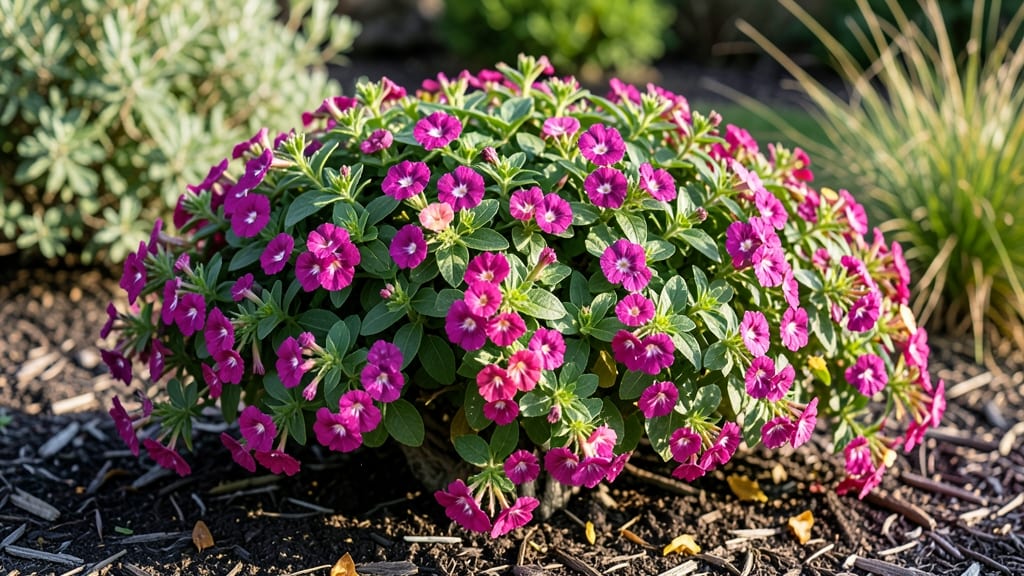
The calibrachoa bloom time spans from early summer through frost 🌸, offering gardeners a nonstop display of color when cared for properly.
If you’ve ever dreamed of a garden bursting with vibrant blooms from spring to frost, calibrachoa could be your secret weapon—but only if you master its bloom time triggers.
These compact, trailing plants thrive in full sun and warm soil, but their flowering window can shrink dramatically if light, water, or nutrients fall short.
Below, I’ll break down the exact conditions that extend their bloom season, plus pro tips for deadheading, fertilizing, and choosing the right varieties for your climate.
Understanding calibrachoa bloom cycles: when and how long they flower
Calibrachoa, often called million bells or mini petunias, is a gardener’s dream for continuous blooms—but only if you understand its natural bloom cycles.
These compact, petunia-like flowers thrive in warm weather and can flower from early summer to frost, but their performance depends heavily on your climate zone and growing conditions.
In USDA Zones 7-10, calibrachoa typically begins flowering 6-8 weeks after planting, with peak blooms lasting from June through September.
However, in cooler Zones 5-6, blooms may start later (late May to June) and taper off sooner (late August to early October) unless protected. The key to longer bloom times lies in replicating their natural tropical conditions—sunlight, warmth, and consistent moisture.
One of the most critical factors for extended calibrachoa blooms is sunlight exposure. These plants require 6+ hours of direct sun daily, but in hotter climates (Zones 9-10), afternoon shade can prevent heat stress, which causes buds to drop.
I’ve found that east-facing containers work best in these areas, giving them morning sun while avoiding the harsh afternoon heat.
Temperature also plays a huge role. Calibrachoa thrives in daytime temps of 70-85°F and nighttime temps above 55°F. Below 50°F at night, blooms slow dramatically, and below 40°F, the plant may go dormant.
In Zones 5-6, I recommend mulching heavily and using frost blankets to extend the season by 2-3 weeks.
Humidity is another often-overlooked factor. Calibrachoa originates from tropical regions, so low humidity (below 40%) can cause buds to abort before opening. In dry climates, I mist the foliage early in the morning or place trays of water near containers to boost humidity without risking fungal issues.
A simple DIY solution is grouping plants together—this creates a microclimate with higher moisture levels.
Watering habits directly impact bloom duration. These plants hate soggy soil but also can’t tolerate drought stress. The goldilocks zone is consistently moist (not wet) soil. I water mine deeply every 2-3 days in summer, ensuring the top 1-2 inches of soil dry out slightly between waterings.
Overwatering leads to root rot, while underwatering causes bud drop—both kill the continuous bloom effect you’re after.
Deadheading—removing spent blooms daily—is non-negotiable for longer flowering. Calibrachoa produces blooms so quickly that skipping this step can reduce bloom time by 30-50%. I use clean, sharp scissors to snip just above the next set of leaves after each flower fades.
This encourages the plant to redirect energy into new buds rather than seed production. For heavy bloomers, I deadhead every morning to maintain that lush, colorful display.
Fertilizing on a consistent schedule also extends bloom time. I use a balanced 10-10-10 fertilizer every 4-6 weeks during the growing season, but switch to a low-nitrogen formula (5-10-10) in late summer to promote more flowers and less foliage.
Over-fertilizing with nitrogen leads to leafy growth at the expense of blooms—something I’ve learned the hard way with over-zealous spring feeding.
For gardeners in cooler climates, season extenders like c
Seasonal triggers to prolong calibrachoa blooms year-round
Calibrachoa thrives on consistency, and with the right seasonal triggers, you can transform its natural 3-4 month bloom season into a year-round spectacle. The key lies in understanding how to manipulate its environment through pruning, fertilization, light exposure, and even cold-hardiness strategies.
Whether in hanging baskets, containers, or garden beds, these adjustments will keep your calibrachoa flowering longer than ever.
Start by mastering the art of pruning and deadheading—this isn’t just about aesthetics. Removing spent blooms signals the plant to redirect energy into producing new flowers, not seeds.
Pair this with a monthly fertilizer schedule tailored to each season, and you’ll see a dramatic increase in both bloom quantity and duration. For gardeners in cooler climates, overwintering strategies can push blooms well into late fall or even next spring.
- 🌞 Light Boost: Move containers to southern exposures in winter for 6+ hours of sunlight daily.
- ✂️ Prune Monthly: Trim 1/3 of growth every 4 weeks to encourage denser, bushier blooms.
- 🌱 Fertilize Strategically: Use 10-10-10 NPK every 4-6 weeks (skip winter).
- 💧 Water Wisely: Morning deep watering prevents fungal issues and stress-induced dormancy.
- ❄️ Overwinter Care: Use bubble wrap on containers in Zone 7+ to protect from light frosts.
Let’s talk about light adjustments first, as this is often the most overlooked trigger. Calibrachoa is a sun-worshipper, but in winter, shorter days can stunt blooms. If you notice flowers fading in late fall, relocate containers to a south-facing window or under grow lights for 12-14 hours daily.
For outdoor beds, group calibrachoa with tall perennials to create a microclimate that traps warmth and extends the growing season.
Your fertilizer schedule should shift with the seasons too. In spring, a light feed of balanced fertilizer encourages root growth, while summer demands monthly feeding to sustain heavy blooming. Switch to a low-phosphorus formula in fall to prepare plants for dormancy.
Pro tip: Always water fertilizer into the soil to avoid root burn, and apply in the early morning to prevent leaf scorch.
For gardeners in USDA Zones 8-10, calibrachoa can bloom nearly year-round with minimal intervention. But even in colder zones, you can cheat winter with container overwintering. Move pots to an unheated garage or wrap them in burlap and bubble wrap, leaving the top open for airflow.
Resume care in early spring by pruning back dead growth and fertilizing lightly to kickstart new blooms.
Don’t forget that companion plants can also extend your calibrachoa’s bloom time. Pair it with trailing lobelia or sweet potato vine to create a lush, multi-layered display that thrives in similar conditions. This not only maximizes your space but also attracts pollinators, which can indirectly boost flower production.