
Blooming
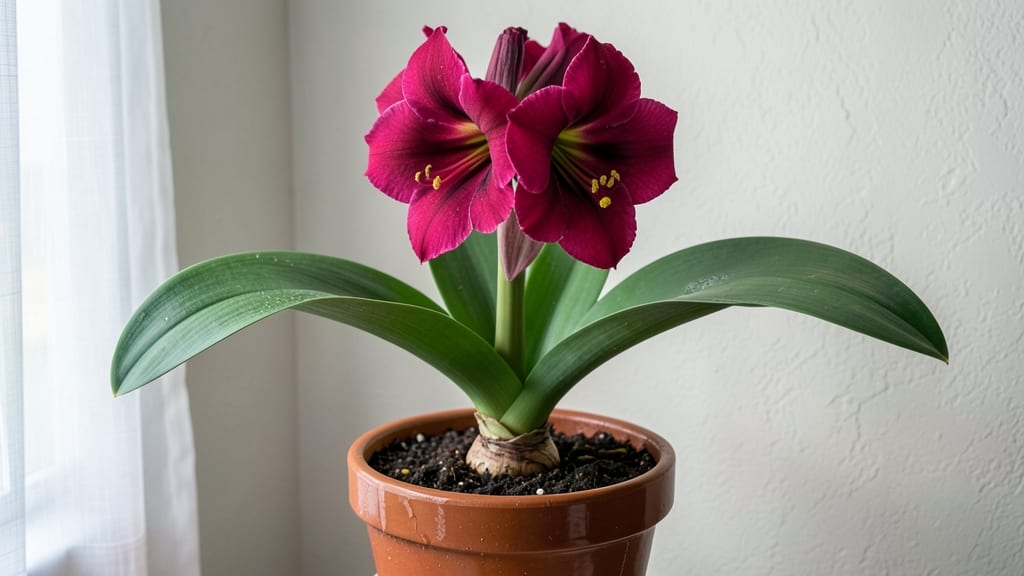
The amaryllis bloom time can be as quick as 6-8 weeks when forced indoors with the right care—a stunning transformation that turns a simple bulb into a 6-foot-tall floral showstopper.
Picture this: your 🌸 amaryllis bulb, tucked away in a corner, suddenly shoots up a thick, sturdy stalk, bursting into vibrant blooms just in time for the holidays. That’s the magic of forcing, and it’s easier than you think!
Timing is everything. Plant your bulb in September or January, give it bright light, and keep the soil just moist enough — no more, no less. Skip the guesswork, and you’ll get flowers exactly when you want them, whether it’s Christmas or Valentine’s Day.
In this guide, I’ll walk you through the exact steps to force blooms faster, troubleshoot common delays, and pick the best varieties for your home. Ready to turn dormancy into drama?
How long does it take for amaryllis to bloom indoors?
Amaryllis bulbs are famous for their dramatic 6-foot-tall flower stalks that burst into bloom with minimal effort. But how long does it really take? With the right conditions, you can force an amaryllis to bloom indoors in just 6-8 weeks, turning a dormant bulb into a showstopper.
The secret lies in understanding its natural dormancy cycle and mimicking seasonal triggers.
The process starts when you plant the bulb in well-draining soil and place it in a warm, bright spot. Unlike outdoor perennials, amaryllis doesn't follow seasonal cues—it responds to your care routine.
This makes it perfect for indoor forcing during winter months when you crave color. The key stages—root development, stalk emergence, and bud opening—each take about 2-3 weeks under ideal conditions.
| Stage | Duration | Key Action | Optimal Conditions |
|---|---|---|---|
| Dormancy Break | 1-2 weeks | Plant bulb ⅔ deep | 65-75°F, bright indirect light |
| Root Development | 2-3 weeks | Water when soil dries | 60-70°F, 6+ hours light |
| Stalk Emergence | 2 weeks | Support stalk with stake | 70-75°F, rotate for even light |
| Bud Opening | 2-3 weeks | Remove spent blooms | 65°F, high humidity |
| Post-Bloom Rest | 8-12 weeks | Reduce water, no fertilizer | 55-65°F, minimal light |
The 6-8 week timeline assumes you start with a healthy amaryllis bulb (3-4 inches wide) and provide consistent care. Larger bulbs often bloom faster because they store more energy.
For example, a 4-inch bulb might produce a stalk in 5-6 weeks, while smaller 2-inch bulbs could take up to 10 weeks. The difference comes down to stored nutrients—think of it like a battery with varying charge levels.
Light plays a crucial role in speeding up blooms. Amaryllis needs 6+ hours of bright indirect light daily to trigger flowering. Place your pot near an east or west-facing window where it gets morning sun without harsh afternoon rays.
If your home lacks natural light, supplement with a grow light 12 inches above the plant for 14 hours daily. Without enough light, the bulb may produce leaves but no flowers, a common frustration for beginners.
Temperature also affects bloom time. Amaryllis thrives in 65-75°F during active growth. Cooler temperatures (below 60°F) slow metabolism, delaying stalk emergence by 1-2 weeks. Conversely, heat above 80°F can stress the plant, causing buds to drop.
Use a thermometer near your plant to monitor conditions—aim for consistency. Drafts from windows or vents can also disrupt flowering, so keep your amaryllis in a stable environment.
Watering might seem straightforward, but it's a make-or-break factor for bloom timing. During the first 4 weeks, water when the top 2 inches of soil dry out. Once the stalk appears, increase water slightly to support the heavy blooms.
Overwatering causes root rot, which stalls growth entirely, while underwatering leads to weak stalks that flop. The goal is moist but not soggy soil—think of a wrung-out sponge. A moisture meter helps avoid guesswork.
Fertilizer timing can accelerate blooms by 10-15%. Use a balanced 10-10-10 fertilizer every 4-6 weeks during active growth (when leaves appear). Stop fertilizing 8 weeks before your target bloom date to let the plant focus energy on flower production.
Too much fertilizer late in the game leads to leafy growth at the expense of blooms. Think of it like training for a marathon—you fuel up early, not on race day.
Some gardeners swear by pre-bloom conditioning to speed up timing. For example, soaking the bulb in lukewarm water for 24 hours before planting can jumpstart root growth by 3-5 days.
Others recommend placing the potted bulb in a cool (55°F) dark place for 4-6 weeks before forcing to mimic natural dormancy. While these methods don't cut weeks off the timeline, they can make the process more predictable. Experiment to see what works best with your climate and bulb quality.
Delayed blooms often stem from one of three issues: insufficient light, improper watering, or a bulb that hasn't fully recovered from dormancy. If your amaryllis takes 10+ weeks to bloom, check these factors first.
A bulb that's been stored in dry conditions for over a year may need 6-8 weeks of pre-forcing
Step-by-step guide to force amaryllis blooms faster
Forcing amaryllis bulbs to bloom indoors is one of my favorite gardening hacks—it’s like magic watching a dormant bulb burst into vibrant flowers in just 6-8 weeks. The secret lies in mimicking their natural growing conditions with precise light exposure, temperature control, and watering techniques.
Skip these steps, and you might wait months for blooms (or worse, never see them!). Let’s cut to the chase with my foolproof method.
Before you begin, choose a healthy bulb with a firm, papery skin—avoid any that feel soft or shriveled. Plant it in a well-draining potting mix (like cactus or succulent soil) in a pot with drainage holes.
Place the bulb halfway underground with the top third exposed. This mimics their natural habitat and encourages faster growth. Patience is key here; rushing this step can lead to rot or stunted blooms.
🌱 Step-by-Step Forcing Guide
- Step 1: Plant the Bulb – Place the bulb in a pot with well-draining soil, leaving the top third exposed. Water lightly to settle the soil.
- Step 2: Provide Bright Light – Move the pot to a spot with 6+ hours of bright, indirect light (e.g., east or west window). Avoid direct midday sun to prevent leaf scorch.
- Step 3: Water Sparingly – Keep the soil slightly moist but never soggy. Water only when the top inch feels dry—overwatering is the #1 killer of amaryllis blooms.
- Step 4: Maintain Warmth – Keep temperatures between 65-75°F during the day and 60-65°F at night. Use a heat mat if needed to speed up growth.
- Step 5: Fertilize Lightly – Once the bloom stalk (scape) appears, feed with a balanced fertilizer (10-10-10) every 4-6 weeks. Stop fertilizing after blooms fade.
- Step 6: Troubleshoot Delays – If no stalk emerges after 8 weeks, check for low light, overwatering, or cold drafts. Adjust conditions immediately.
Light is non-negotiable for speedy blooms. Amaryllis bulbs need bright, indirect light to trigger flowering—think of it as their wake-up call. Place your pot near an east-facing window for gentle morning sun or a west-facing window for afternoon light.
If your space lacks natural light, supplement with a grow light 6 inches above the plant for 12-14 hours daily. Skip this, and your bulb might produce leaves but no flowers.
Temperature plays a sneaky role in bloom timing. Amaryllis bulbs thrive in warmth (65-75°F), but they need a cool nighttime dip (60-65°F) to set flower buds. If your home stays too warm at night, your bulb might focus on leaf growth instead of blooms.
Try moving the pot to a cooler room overnight or use a small fan to circulate air. Pro tip: A heat mat can speed up growth if your home runs cool.
Common mistakes can turn your forcing project into a waiting game. Overwatering is the biggest culprit—soggy soil suffocates roots and delays blooms. Always let the top inch of soil dry out between waterings. Another red flag? Underfertilizing or using too much nitrogen, which promotes leaves over flowers.
Stick to a balanced fertilizer (like 10-10-10) and apply it only after the bloom stalk appears. And never place your amaryllis near drafts or heating vents—temperature swings stress the bulb.
With these steps, you’ll see that first bloom stalk (scape) in as little as 4-6 weeks, followed by stunning flowers in another 2-3 weeks. The key is consistency—stick to the light, water, and temperature routine, and your amaryllis will reward you with a 6-foot-tall floral masterpiece in record time.
Happy forcing! 🌸