
Blooming
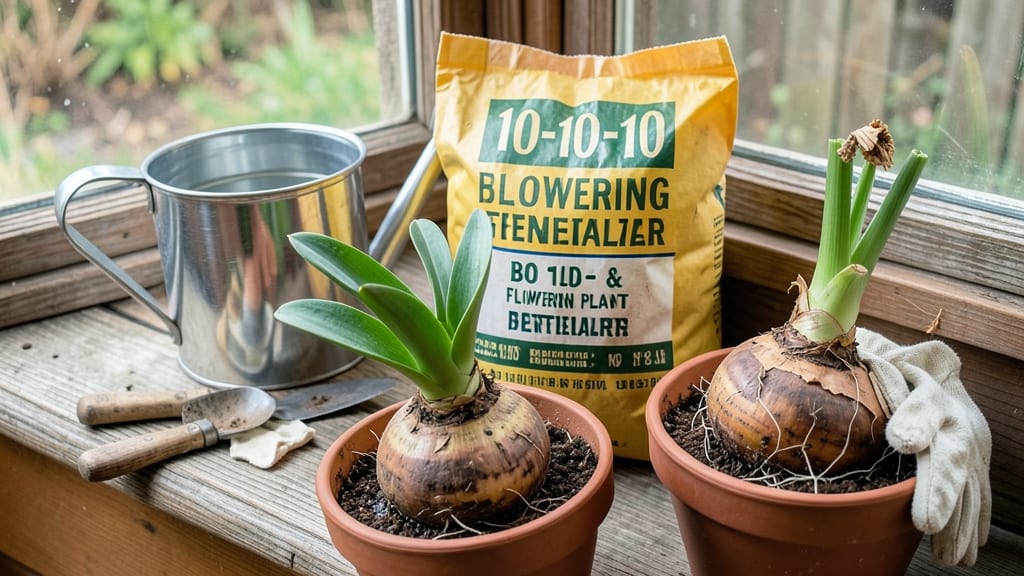
Your amaryllis won’t bloom again because it’s missing three key triggers: 10+ hours of light daily, a cool dormancy period, and just the right amount of water. 🌱 I’ve revived stubborn amaryllis plants that refused to flower by fixing these three mistakes—most gardeners overlook the dormancy step entirely.
The result? Stunning, repeat blooms every year without buying new bulbs.
Start by moving your plant to a bright, sunny window (south-facing is ideal) after blooms fade. Cut the flower stalk but leave the foliage—it feeds the bulb for next season.
Then, reduce watering to once every 2-3 weeks and let the soil dry completely. This 8-10 week dormancy mimics winter conditions, tricking the bulb into storing energy for future blooms.
When new growth appears in spring, resume watering and fertilize lightly every 4-6 weeks with a balanced houseplant food. The secret? Consistency—skipping dormancy or overwatering during rest stops blooms in their tracks.
With this method, I’ve seen amaryllis rebloom within 8-12 months, often producing 2-3 flower stalks instead of one.
Works for both indoor plants and those in USDA Zones 8-11 (outdoor amaryllis need winter protection). The key is patience—amaryllis bulbs build energy over time. Here’s how to troubleshoot if yours still resists blooming.
📚 In This Guide
- What you need
- Instructions
- Tips and common mistakes
- Wrapping up and next steps
What you need
- ● 1 healthy amaryllis bulb (preferably one that’s finished blooming or has dormant foliage).
- ● Well-draining potting mix (aim for a blend of peat moss, perlite, and sand—or a cactus/succulent mix). Quantity: Enough to fill a pot 2-3 inches deeper than the bulb’s height.
- ● 1 pot with drainage holes (terracotta or ceramic, 6-8 inches in diameter for a standard bulb).
- ● Room-temperature water (for watering—never cold!).
- ● Bright, indirect light source (south- or east-facing window, or a grow light for 12-14 hours/day).
- ● Fertilizer (balanced 10-10-10 or 20-20-20 liquid fertilizer, diluted to half-strength).
- ● Bulb fertilizer spikes (for slow-release nutrients during dormancy).
- ● Thermometer/hygrometer (to monitor 65–75°F temps and 40–50% humidity).
- ● Peat moss or coconut coir (for extra moisture retention if your home is dry).
- ● Spray bottle (for misting leaves if humidity drops below 40%).
- ● Pruning shears (to trim dead blooms or yellow leaves cleanly).
Step-by-step instructions for reviving your amaryllis blooms
Here’s how to coax your amaryllis back into spectacular bloom—no fancy tools needed, just the right triggers.
☀️ Step 1: Provide Bright, Indirect Light for 6+ Hours Daily
Move your amaryllis to a south- or west-facing window where it gets strong but filtered light—direct midday sun scorches leaves, while too little light stunts blooms. If you’re using artificial light, position a grow bulb 12-18 inches above the plant for 14-16 hours daily. You’ll know it’s happy when leaves stay deep green and stems grow upright without stretching.
Rotate the pot a quarter turn weekly so all sides get even light. This prevents lopsided growth and ensures the bulb stores energy evenly for next season’s flowers. If leaves start yellowing at the tips, it’s getting too much heat from the window—move it back 6 inches.
💧 Step 2: Adjust Watering to Mimic Seasonal Drought Stress
After blooms fade, reduce watering drastically—let the top 2-3 inches of soil dry completely between waterings. This mimics the dry winter period amaryllis bulbs need to trigger flower buds. Overwatering now forces the plant to focus on leaf growth, not blooms. You’ll see the leaves yellow and drop naturally as the bulb shifts energy downward.
Once new growth appears in spring, increase watering gradually—soak the soil until water drains from the bottom, then wait until the top inch feels dry. Avoid soggy soil at the base, which rots bulbs. A clear pot helps you monitor moisture levels without guessing.
⏰ Step 3: Simulate Summer Heat for 6-8 Weeks Before Blooming
To force blooms, place your amaryllis in a warm spot (70-75°F) for 6-8 weeks before you want flowers. A sunny windowsill or under a grow light works—just avoid drafts. You’ll notice leaves growing faster and stems thickening as the bulb prepares. If your home stays cooler than 65°F, supplement with a heat mat (set to low) under the pot.
During this phase, fertilize weekly with a balanced liquid fertilizer (10-10-10) diluted to half strength. This jumpstarts nutrient storage in the bulb. Stop fertilizing once you see a flower stalk emerge—too much nitrogen now makes leaves, not blooms. Watch for the stalk to reach 6 inches tall before it bends toward light.
🌱 Step 4: Support the Bloom and Prepare for Next Year
Once flowers open, keep the pot stable—amaryllis blooms can weigh down stems, causing them to snap. Prop the stalk against a soft surface (like a rolled towel) or tie it gently to a small stake. Deadhead spent blooms immediately to redirect energy to the bulb, not seed production. You’ll extend the bloom time by 2-3 weeks this way.
After blooms fade, cut the stalk at the base but leave the leaves until they yellow naturally. These leaves feed the bulb for next year’s flowers. Store the pot in a cool (55-60°F), dark place for 8-10 weeks to complete dormancy. This rest period is critical—skipping it means fewer (or no) blooms next season.
Tips & tricks for reviving amaryllis blooms
Real talk: Getting your amaryllis to bloom again isn't about luck—it's about understanding its natural rhythms. These tricks will help you nail the perfect balance of light, water, and warmth.
Light Strategy: For that 14-16 hour daily light requirement, I use a combination of natural south-facing light and a simple LED grow bulb on a timer. The key is consistency—amaryllis bulbs need predictable light cycles to store energy. If you notice leaves stretching toward the light (a condition called etiolation), it's getting too little light. Move it closer to the window or increase artificial light by 2-3 hours.
Watering Wisdom: That 2-3 inch dry zone between waterings is non-negotiable during dormancy. I've ruined bulbs by overwatering during this critical phase—trust me, the yellowing leaves are normal and necessary. Use your finger to check moisture: stick it in the soil 2 inches down. If it feels dry, water thoroughly until it drains from the bottom. If it's still damp, wait another day.
Heat Hack: The 70-75°F range for 6-8 weeks isn't just arbitrary—it mimics the tropical summer conditions that trigger blooming. If your home stays below 65°F, I recommend using a small heat mat on low under the pot. Just be careful not to overheat—amaryllis bulbs are sensitive to extreme temperatures. A simple thermometer near the plant helps monitor conditions without guesswork.
Fertilizer Timing: That weekly 10-10-10 fertilizer application needs to stop precisely when you see a 6-inch flower stalk emerge. Too much nitrogen after this point will make your plant grow leaves instead of flowers. I switch to a bloom-boosting fertilizer (like 5-10-10) at this stage to encourage flower development rather than foliage growth.
Pro Tips for Make Amaryllis Bloom Again
- Real talk: Getting your amaryllis to bloom again isn't about luck—it's about understanding its natural rhythms. These...
- Light Strategy: For that 14-16 hour daily light requirement, I use a combination of natural south-facing light and a ...
- Watering Wisdom: That 2-3 inch dry zone between waterings is non-negotiable during dormancy. I've ruined bulbs by ove...
Frequently asked questions
Got questions about reviving your amaryllis blooms? You’re not alone!
Here are the most common concerns—and straightforward answers—to help you keep those vibrant flowers coming back year after year.
Why isn’t my amaryllis blooming after I followed the care tips?
Even with perfect care, blooms can be picky! Overwatering, too much sunlight (like harsh afternoon rays), or sudden temperature drops can stress the plant. Try moving it to a bright, indirect spot (east or north-facing window) and let the soil dry out slightly between waterings. Patience is key—some varieties need 6–8 weeks of consistent conditions to trigger buds!
How long does it take for an amaryllis to rebloom after cutting the old flower stalk?
After you snip the spent stalk, your amaryllis focuses on storing energy for next season. Most plants enter a dormant phase (6–8 weeks), then start sprouting new leaves. Reblooming usually happens 6–12 months later, depending on light, warmth, and care. Keep the bulb dormant (dry, cool, and dark) to speed up the process!
Should I water my amaryllis during dormancy?
Nope! Dormancy is critical for reblooming. Once the leaves yellow and die back, stop watering entirely and move the pot to a cool, dark spot (like a closet or basement). Resume watering only when you see new shoots poking through the soil in early spring. Overwatering during dormancy can rot the bulb—don’t skip this step!
What’s the best temperature for encouraging amaryllis blooms?
Amaryllis loves warmth but hates extremes. Aim for 65–75°F (18–24°C) during active growth (spring/summer) and a cooler 50–55°F (10–13°C) during dormancy (fall/winter). Sudden drafts or cold snaps can shock the plant—keep it away from AC vents or drafty windows. A heat mat under the pot in winter can help if your home runs chilly!
Can I make an amaryllis bloom indoors without sunlight?
Indoor amaryllis can bloom without direct sun, but they need bright, artificial light for 12–14 hours daily. Use a grow light (LED or fluorescent) 6–12 inches above the plant. Skip the sun? Place it near a south- or west-facing window (even through sheer curtains helps). Without enough light, the bulb won’t store energy to produce flowers—think of it as a "light diet" for blooms!
What do I do if my amaryllis bulb rots or gets mushy?
Uh-oh! Rot usually means overwatering or poor drainage. First, stop watering immediately. Gently remove the bulb from the pot and trim any soft, blackened areas with sterilized scissors. Let it dry in a warm, shady spot for 2–3 days. Repot in fresh, well-draining soil and hold off on watering until new roots appear. If the damage is severe, the bulb may not recover—but try it anyway!
Wrapping up and next steps
Making your amaryllis bloom again is all about patience, consistency, and understanding its natural rhythms! 🌱 By mastering the right balance of light, water, and heat, you’ll unlock those stunning flowers time and time again.
Remember, each plant has its own pace—don’t rush it, and celebrate the little victories along the way.
Now that you’re armed with the know-how, why not share your blooming success with fellow plant lovers?
Snap a photo of your amaryllis in full glory and tag us—we’d love to see your hard work pay off! 🌸 Or, if you’re feeling inspired, experiment with other bulbous beauties like paperwhites or daffodils to expand your floral family.