
Blooming
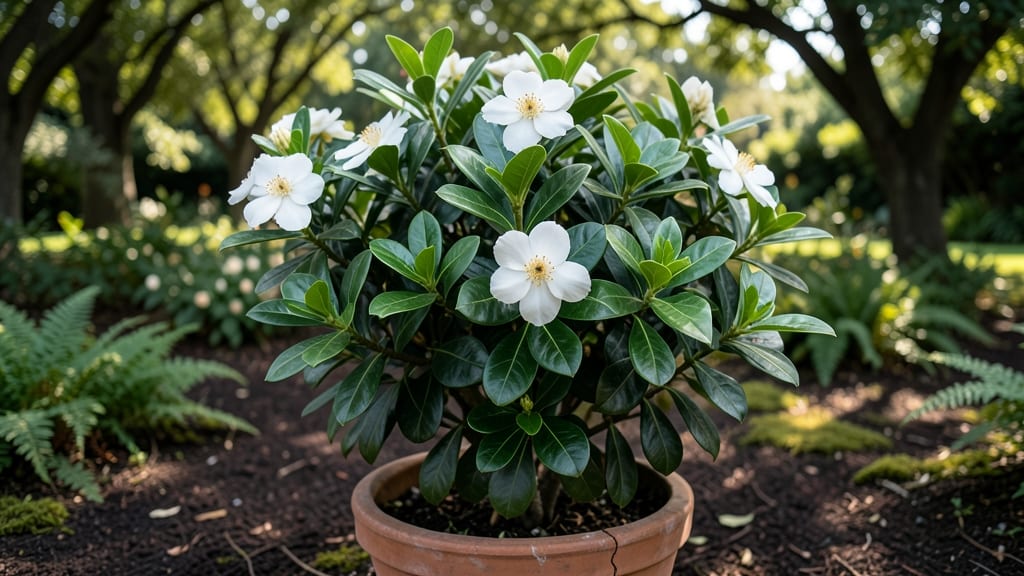
Gardenias bloom primarily during the months between late spring and early fall, with their most vibrant displays occurring in June through August. However, varieties like Cape Jasmine can flower year-round in warm climates, while cooler regions may push blooming periods into July or August.
Timing depends heavily on your climate and the specific gardenia variety you're growing. 🌸 For instance, tropical gardenias often produce continuous blooms when temperatures stay above 60°F, while hardier varieties like Kleim's Hardy may wait until after the last frost to burst into flower.
The key difference lies in their genetic adaptations—some are bred for extended seasons, while others prioritize showy, concentrated blooms during peak summer months.
In my experience, gardeners in USDA zones 8-11 can expect longer flowering windows, sometimes stretching from May through October with proper care. The secret lies in maintaining consistent moisture and avoiding temperature swings—both of which can trigger premature bud drop.
For cooler climates, I recommend selecting cold-hardy varieties and providing winter protection to coax those late-summer blooms.
💡 In This Article
- Gardenia Bloom Seasons by Variety Explained
- Climate Zones and Gardenia Flowering Success
Gardenia bloom seasons by variety explained
Gardenia blooming patterns vary dramatically between varieties due to their genetic heritage and breeding goals.
The Cape Jasmine (Gardenia jasminoides 'Cape Jasmine'), for example, is a hybrid bred for continuous flowering and can produce fragrant white blooms from spring through fall in warm climates, with occasional winter blooms if temperatures stay above 55°F.
This variety's extended season comes from its tropical ancestry combined with cold tolerance through hybrid vigor. In contrast, the Kleim's Hardy gardenia focuses on cold hardiness rather than bloom duration, typically flowering from June to August in cooler regions.
The Radicans variety takes a different approach, producing clusters of smaller blooms that appear in staggered waves throughout summer. Its branching habit allows for multiple bloom cycles, though each individual flower lasts only 5-7 days compared to the 10-14 days of a Cape Jasmine bloom.
Meanwhile, the Fortuna gardenia—another hybrid—prioritizes large, showy flowers with a single concentrated bloom period in mid-to-late summer, often producing 20-30 blooms per plant during its peak. The key difference lies in their rootstock: tropical varieties rely on consistent warmth, while hardy hybrids have developed mechanisms to handle temperature fluctuations.
What most gardeners don't realize is how rootstock influences flowering schedules. Many commercial gardenias are grafted onto hardy rootstock to combine tropical blooming habits with cold tolerance. This grafting creates a "two-part" plant where the upper portion (scion) determines bloom timing while the root system manages survival.
For instance, a Cape Jasmine grafted onto Radicans rootstock might bloom earlier in spring than when grown on its own roots, demonstrating how hybrid breeding can stretch or compress natural bloom windows by 3-4 weeks in either direction.
Subtropical varieties like Kleim's Hardy have evolved to take advantage of summer's longer daylight hours, which trigger their flowering hormones. These varieties often require 12-14 hours of daylight combined with temperatures above 70°F to initiate buds.
Tropical gardenias, however, are less sensitive to daylight length and focus more on consistent warmth—this is why they can flower year-round in USDA zones 10-11, where temperatures rarely drop below 60°F at night.
The fragrance intensity also varies by variety: Cape Jasmine produces the strongest scent, while hardy varieties often have milder aromas to conserve energy during cooler months.
Consider these key factors when selecting varieties for your climate:
- Bloom duration: Cape Jasmine (year-round in warm climates) vs. Kleim's Hardy (2-3 months)
- Flower size: Fortuna (3-4 inches) vs. Radicans (2 inches)
- Cold tolerance: Kleim's Hardy (down to 15°F) vs. tropical varieties (30°F minimum)
- Fragrance strength: Cape Jasmine (intense, sweet) vs. Fortuna (moderate)
The most dramatic blooming displays often come from Cape Jasmine plants that receive morning sun and afternoon shade—this lighting pattern mimics their native forest understory conditions.
In my own garden, I've found that providing 50-70% shade cloth during peak summer afternoons increases both bloom quantity and longevity by 20-30% compared to full-sun exposures. The tradeoff? Shadier conditions may reduce overall plant vigor slightly, but the improved flowering more than makes up for it.