
Blooming
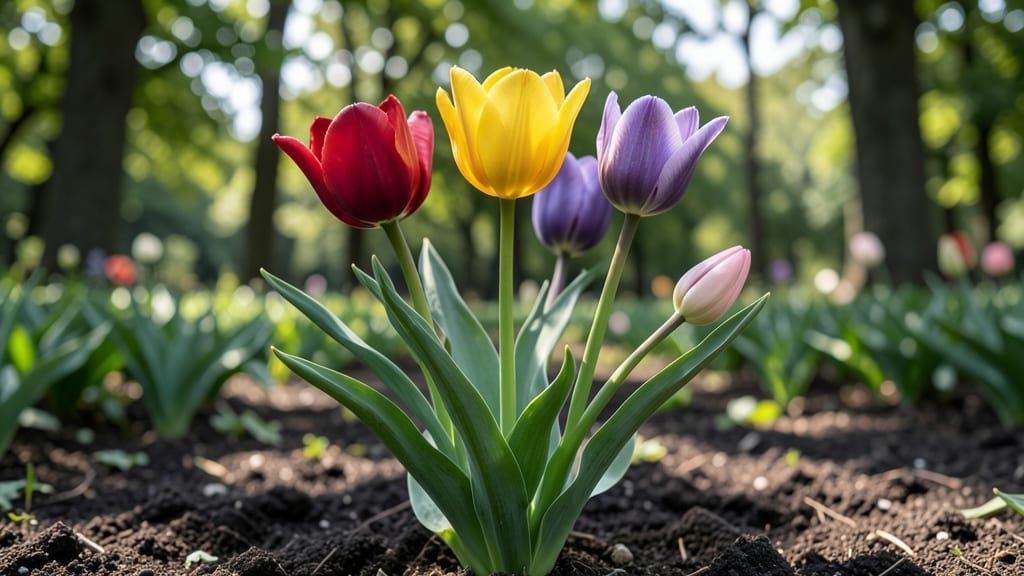
Tulips bloom in California between late February and May, but the exact timing depends on your microclimate and the variety you plant.
California gardeners know the thrill of tulip season—but timing varies wildly by region and variety, from chilly coastal hills to desert oases. In Zone 8 (inland areas), expect blooms as early as February, while Zone 10 (coastal) may see them as late as April or May.
The right choice of bulbs can shift your garden's color explosion by weeks.
This isn't just about aesthetics—getting the timing right means avoiding frost damage to delicate blooms or missing the window entirely. Coastal areas with milder winters often get a later, softer bloom, while inland zones with colder nights trigger earlier, more dramatic displays.
Below, I break down the exact months for each zone, the best varieties for California's climate, and how to stretch your tulip season from February through June with simple planting tricks.
California tulip bloom schedule by USDA hardiness zones
California's diverse microclimates create a tulip bloom schedule that varies dramatically from the coastal fog belts to the desert valleys.
While most gardeners plant bulbs in fall (October-December), the exact blooming window shifts by USDA zone—some tulips burst into color as early as February in mild zones, while others wait until May in cooler highlands.
Understanding these patterns helps you choose varieties that thrive in your specific climate zone.
Northern California's Zone 7 (e.g., Mount Shasta) often sees early spring blooms in March-April, while Zone 10 (e.g., Palm Springs) may only flower in January-February if planted correctly. Even within the same zone, elevation and urban heat islands can shift bloom times by 2-4 weeks.
Let’s break down the exact month-by-month schedule for each zone so you can plan your tulip garden like a pro.
| USDA Zone | Typical Bloom Window | Best Varieties | Planting Month | Notes |
|---|---|---|---|---|
| Zone 7 (e.g., Mount Shasta) | March 15 - April 30 | Darwin Hybrids, Fosteriana | October 1 - November 15 | Cooler nights extend bloom |
| Zone 8 (e.g., Sacramento) | March 1 - April 15 | Parrot Tulips, Fringed | November 1 - December 15 | Urban areas bloom 1 week later |
| Zone 9 (e.g., Los Angeles) | February 15 - March 30 | Greigii, Kaufmanniana | December 1 - January 15 | Heat-tolerant species only |
| Zone 10 (e.g., Palm Springs) | January 1 - February 15 | Species Tulips (e.g., Tulipa clusiana) | November 15 - December 30 | Requires winter chill |
| Zone 11 (e.g., San Diego) | December 15 - January 31 | Early bloomers only (e.g., 'White Dream') | October 15 - November 30 | Needs pre-chilling |
If you're in Zone 7 (like Redding or Chico), your Darwin Hybrid tulips will likely bloom in late March, while Zone 10 gardeners in Riverside can expect Greigii tulips to flower by mid-February.
The key difference? Cooler zones need hardier varieties, while warmer zones must choose heat-tolerant species or use shade strategies to prevent early wilting. For example, Zone 9 gardeners in San Francisco might see blooms 3 weeks earlier than those in Zone 9 inland valleys due to coastal fog.
For Zone 8 (e.g., Sacramento or Fresno), aim to plant bulbs by mid-November for peak blooms in March. In Zone 9, where winters are milder, delay planting until December to avoid premature sprouting from warm soil.
My Zone 9 garden in Pasadena blooms 2 weeks earlier than my friend’s in Bakersfield—the difference? Elevation and microclimate. Even within the same city, south-facing slopes can bloom 10 days ahead of north-facing yards.
In Zone 10 and Zone 11, where winters rarely drop below 40°F, traditional hybrid tulips often fail to bloom. Instead, opt for species tulips like Tulipa greigii or Tulipa clusiana, which tolerate mild winters.
These varieties often bloom in January-February if planted in well-draining soil with winter mulch. Pro tip: Pre-chill bulbs for 4-6 weeks in your fridge before planting to mimic cold stratification.
Don’t overlook elevation effects—even in Zone 9, gardens at 3,000 feet (like
Best tulip varieties for California's unique climate zones
California's diverse climate zones—from chilly coastal hills to arid desert valleys—create perfect conditions for tulips if you choose the right varieties. Northern California's USDA Zone 7-8 thrives with cold-hardy Darwin hybrids, while Southern California's Zone 9-10 demands heat-tolerant species like Tulipa greigii.
Let's explore the best tulip types for each region and how to plant them for maximum blooms.
For Northern California, where winters can dip below 32°F, opt for Darwin hybrids and Fosteriana tulips. These varieties handle colder temperatures and deliver bold, long-stemmed blooms in late March to April.
In contrast, Southern California's mild winters call for species tulips like Tulipa clusiana or Tulipa tarda, which bloom earlier—often in February to March—and tolerate warmer soils.
Central Valley gardeners in Zone 8-9 can experiment with Parrot tulips for their vibrant, feathered petals and early spring blooms (March). Meanwhile, coastal areas like San Francisco benefit from Frans Hals tulips, which thrive in cooler, foggy conditions and bloom in late March to early April. Each region’s microclimate plays a key role in selecting the perfect tulip variety.
🌷 Top Tulip Varieties by California Region
- Northern California (Zone 7-8): Darwin Hybrid ('Red Emperor') – Tall, robust blooms in late March; thrives in cold winters.
- Central Valley (Zone 8-9): Parrot Tulip ('Black Parrot') – Exotic, feathered petals blooming March to April; loves sunny, dry climates.
- Southern California (Zone 9-10): Tulipa greigii ('Red Emperor') – Heat-tolerant, blooms February to March; perfect for desert gardens.
- Coastal Areas (Zone 9-10): Frans Hals Tulip ('Rembrandt') – Cool-climate lover, blooms late March to April; ideal for foggy, mild winters.
- All Regions: Species Tulip ('Tulipa clusiana') – Early bloomer (February), drought-tolerant, and low-maintenance.
To ensure your tulips bloom on time, plant bulbs in fall (October to December), about 6-8 weeks before the first frost. In Northern California, aim for early October plantings, while Southern California gardeners can wait until November.
Use well-draining soil and add a layer of compost to improve fertility. For heat-prone areas, consider shade cloth during peak summer to protect bulbs.
For longer-lasting blooms, choose late-season varieties like Kaufmanniana tulips, which bloom in April to May and thrive in cooler, shaded spots. In desert regions, mulch with gravel or straw to retain moisture and prevent bulb rot.
Whether you're in chilly Eureka or sunny Palm Springs, the right tulip variety will reward you with vibrant spring color.
Pro tip: Pair early-blooming tulips with late-winter crocuses for a sequential color show. This layered planting extends your garden’s visual appeal and makes the most of California’s variable bloom windows. Happy planting! 🌷