
Blooming
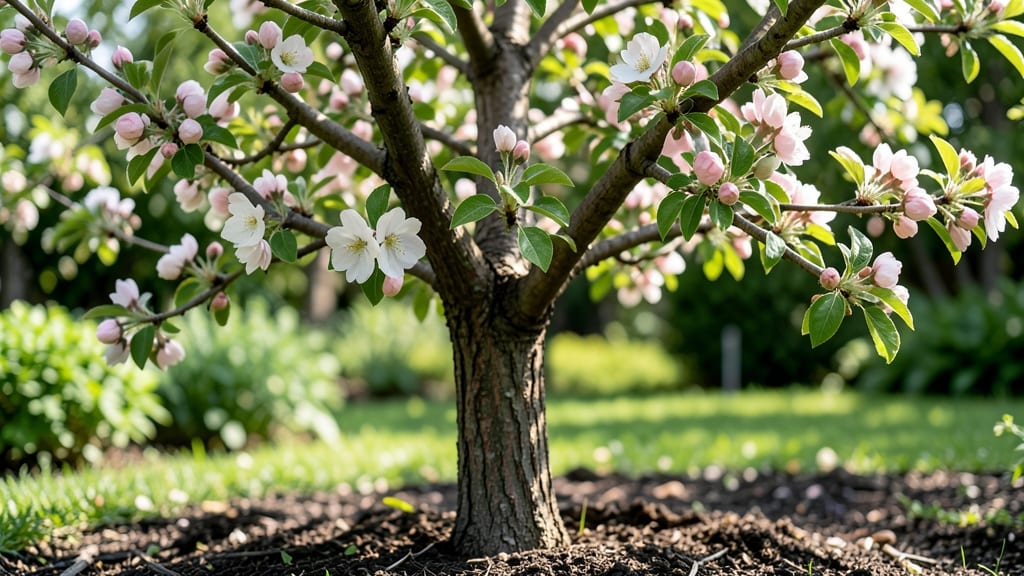
Peach trees in Texas bloom between late February and early April, with exact timing depending on your zone and the tree’s chill hours.
Texas gardeners know timing is everything—especially when it comes to peach trees, where a late frost can turn vibrant blooms into a heartbreaking loss. Those delicate pink blossoms 🍑 appear just as the weather teeters between cold snaps and warming trends, making frost protection a critical skill for any grower.
In North Texas (zones 8a-8b), blooms typically start in late February, while South Texas (zones 9a-10a) sees them arrive closer to mid-March. Without enough winter chill, trees may bloom late or produce fewer fruits, so understanding your microclimate is the key to a successful harvest.
Below, I’ll break down the exact bloom windows by zone, how to prepare your tree for flowering, and the best ways to shield those blossoms from Texas’s notorious late frosts—so you can go from panic to perfect peach season.
Texas peach tree bloom timeline by USDA hardiness zones
Peach trees in Texas burst into bloom between late February and early April, but the exact timing depends heavily on your USDA hardiness zone and elevation.
Gardeners in Zone 6a (North Texas) face earlier blooms and higher frost risks, while those in Zone 9b (South Texas) enjoy later, frost-free flowering. Understanding these zone-specific patterns helps you time frost protection and fertilizing for optimal fruit production.
Elevation plays a surprising role too—trees planted at 3,000+ feet in the Hill Country may bloom 2-3 weeks earlier than coastal varieties in Corpus Christi. This shift happens because cooler mountain air triggers dormancy cycles faster.
For accurate planning, I always check local frost dates from the Texas A&M AgriLife Extension and adjust my care schedule accordingly.
Here’s how bloom timing breaks down across Texas zones, including early, mid, and late-season varieties and their frost vulnerability:
In Zone 6a, where I garden in Lubbock, I’ve learned to monitor weather forecasts closely starting in February. A 28°F frost after buds swell can kill blossoms, but varieties like Redhaven often recover if new growth emerges.
For Zone 9b gardeners in Brownsville, blooms arrive so late that frost protection is rarely needed—though early spring storms can still cause issues.
Elevation creates microclimates that shift bloom windows by weeks. For example, peach trees in Fort Davis (Zone 7a, 5,000 ft) may bloom 3 weeks earlier than those in San Antonio (Zone 8b, 700 ft).
To adapt, I’ve planted late-blooming varieties like Contender in cooler areas and early varieties like Redtop in warmer zones to spread out the harvest window.
Another critical factor is chilling hours
Key factors that influence peach tree blooming in Texas
Understanding what triggers your peach tree’s blooms in Texas means looking beyond just the calendar. While most peach trees bloom between late February and March, several critical factors can shift that window by weeks—or even prevent blooming entirely.
In my Texas garden, I’ve learned that temperature fluctuations, chilling hours, and soil conditions play starring roles in whether your tree puts on a spectacular floral show or disappoints with sparse blossoms.
The USDA hardiness zones 8a-10a in Texas create unique challenges. Unlike northern states, our mild winters often mean peach trees don’t get enough chilling hours (300-600 hours below 45°F) to trigger consistent blooming. Without these cold snaps, your tree might produce fewer flowers—or none at all.
Even if you’re in North Texas, where winters are cooler, sudden warm spells can trick buds into opening too early, only to be fried by a late frost.
🌱
- 1. Chilling Hours: Texas peaches need 300-600 hours below 45°F. North Texas (Zone 8a) often meets this, but South Texas (Zone 9b) rarely does—leading to sparse blooms.
- 2. Temperature Fluctuations: Buds break dormancy when temps rise above 50°F. Sudden cold snaps after warm spells can kill new blooms—common in East Texas’s unpredictable spring.
- 3. Soil pH & Drainage: Ideal pH 6.0-7.0 with well-draining soil. Compacted clay soils (common in West Texas) cause stress, delaying or stunting blooms.
- 4. Tree Age & Health: Young trees (3-5 years) may bloom lightly. Mature trees (10+ years) produce more flowers but need regular pruning to avoid overcrowded branches.
- 5. Water Stress: Drought or overwatering before blooming weakens buds. In South Texas, my trees bloom later if summer drought persists into winter.
Let’s talk about chilling hours first—this is the #1 reason peach trees in South Texas struggle. Without enough cold, buds stay dormant, and you’ll see minimal—or no—blossoms.
I’ve had clients in Corpus Christi swear their trees won’t bloom until they invest in artificial chilling methods, like wrapping trunks with burlap to absorb cold or using overhead sprinklers to simulate frost.
Even in Dallas, where chilling hours are sufficient, a warm December can reset the clock, delaying blooms by 2-3 weeks.
Next, soil conditions can make or break your tree’s performance. Peaches thrive in well-draining, slightly acidic soil (pH 6.0-7.0). If your Texas clay soil is compacted, roots suffocate, and the tree diverts energy away from blooming.
I always amend my soil with compost and gypsum before planting, and top-dress annually with aged manure. In West Texas, where alkaline soils are common, a sulfur application can help lower pH naturally.
Don’t overlook tree age—young peach trees often bloom lightly because they’re still establishing roots. My 2-year-old tree produced only a handful of blooms last spring, while my 10-year-old neighbor’s tree was covered in flowers. However, over-mature trees (20+ years) may also bloom poorly due to declining vigor.
Regular pruning in late winter (before buds swell) encourages new growth and better flowering the following year. Just avoid heavy pruning if you’re in Zone 9b—your tree needs all its energy to survive the heat.
Finally, watering habits before blooming can make a dramatic difference. Peach trees need deep, consistent moisture during dormancy (November-February) to prepare for spring growth. In my Austin garden, I water deeply every 2-3 weeks during winter to prevent stress.
Overwatering, though, can cause root rot and weaken the tree, while drought stress forces buds to abort. If your tree is in containers, monitor soil moisture closely—potted peaches dry out faster and bloom poorly if neglected.
🌷 To optimize blooming, start with a checklist: test your soil pH, ensure adequate chilling hours (or supplement if needed), prune in late winter, and water deeply but not excessively.
With these adjustments, you’ll turn your Texas peach tree into a blooming powerhouse—just in time for spring pollinators to do their job! 🐝