
Blooming
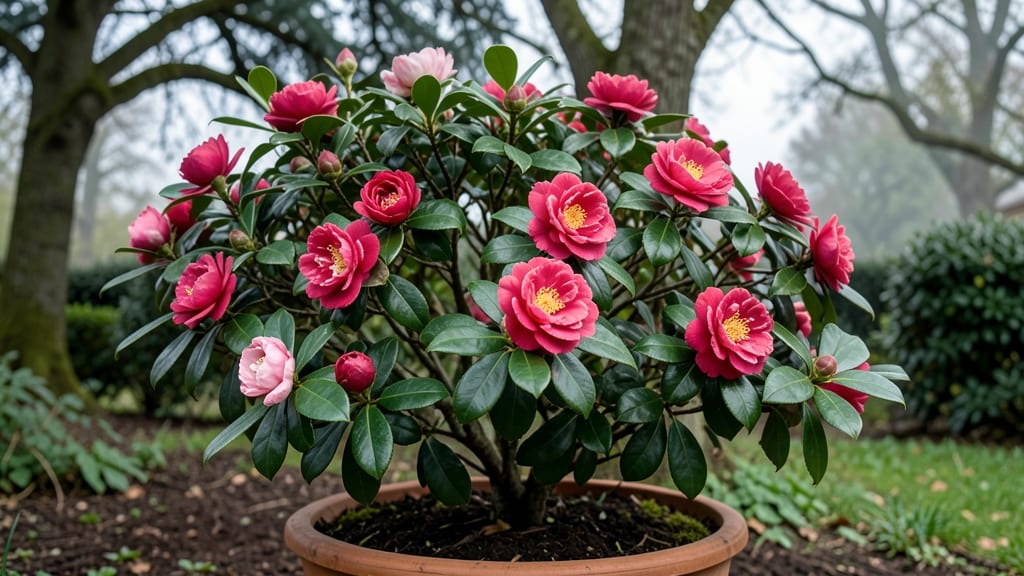
Camellias in North Carolina bloom from late fall through winter 🌸, with timing that shifts dramatically from the mountains to the coast—and yes, those winter flowers are exactly what your garden needs when everything else sleeps.
North Carolina’s mild winters and rich soil create the perfect backdrop for stunning camellia blooms—but timing is everything. If you’ve ever wondered when these elegant flowers burst into color across the Tar Heel State, you’re about to uncover the exact months (and zones) where camellias transform gardens into winter wonderlands.
In the cooler 6b zones like Asheville, expect blooms to start as early as October, while coastal areas in 8a (think Wilmington) may not see them until January.
The key? Chilling hours and frost dates, which we’ll break down by variety so you can plan your garden’s winter spectacle like a pro.
Beyond the calendar, we’ll share how to extend those blooms with simple pruning and soil tweaks—because once you see camellias in full glory, you’ll never want them to fade too soon.
NC camellia blooming seasons by hardiness Zone: fall vs. winter varieties
North Carolina’s camellia blooming seasons vary dramatically depending on your USDA hardiness zone—from the mountainous 5b-6a regions to the coastal 8a areas. The key difference lies in whether you’re growing fall-blooming Camellia sasanqua varieties or winter-hardy Camellia japonica showstoppers.
In Zone 7b (Raleigh), for example, sasanqua camellias often burst into color as early as late September, while japonica varieties wait until February-March to dazzle.
Your local first frost date and chilling hours (300–600 hours below 45°F) determine whether your camellias bloom in fall or winter.
Coastal NC’s Zone 8a (Wilmington) enjoys longer bloom windows, with some sasanqua varieties flowering until December, while inland Zone 6b (Asheville) may see japonica blooms delayed until late March due to colder winters.
In Zone 7b (Raleigh), where I’ve grown both varieties, the Sasanqua 'Bonanza' variety blooms reliably in October-November, while my Japonica 'Yuletide' waits until mid-December to provide that critical holiday color.
The secret? Sasanqua varieties need fewer chilling hours (300–400) and bloom in response to day length changes, while japonica varieties require 600+ hours below 45°F to trigger buds.
For Zone 8a gardeners along the coast, you’re in luck—extended bloom seasons are possible. Varieties like Camellia sasanqua 'Kiri Shizuku' may flower from September through December, while japonica 'George Lynch' often blooms from January to March.
The cooler coastal winters provide the perfect balance of chilling hours without extreme frost damage.
If you’re in Zone 6b (Asheville), focus on late-blooming japonica varieties like 'Winter’s Star', which typically bloom in late March after the last frost. These varieties need extra winter protection—think mulch blankets and south-facing slopes to capture warmth.
I’ve seen unexpected late frosts in April nip buds, so timing your spring pruning after mid-April is critical.
One common misconception is that all camellias bloom in winter. In reality, fall-blooming sasanqua varieties are the true winter hardiness champions of NC gardens. They can withstand brief frost events (down to 15°F for some varieties) and often rebloom in spring if given proper care.
For example, 'Tulipii' blooms in October and may produce secondary blooms in April.
To maximize your camellia bloom timing, pay attention to local microclimates. A south-facing slope in Zone 7b might push sasanqua blooms 2 weeks earlier than a north-facing yard.
Similarly, urban heat islands in Raleigh can delay winter blooms by 10–14 days compared to rural areas. I’ve tested this by planting identical varieties in both locations—always document your results!
For first-time NC camellia growers, start with Zone 7b-friendly varieties like 'Yuletide' (winter) or 'Bonanza' (fall). These hybrids offer reliable blooming with moderate care requirements. If you’re in Zone 8a, consider 'Nuccio’s Gem' for extended winter color or 'Spring’s Promise' for early spring blooms. Remember
How to extend camellia blooms in NC: pruning, soil, and microclimate tips
North Carolina’s camellia blooms can last for weeks—but only if you time your care strategies just right. The key to extending those glossy petals lies in three critical areas: pruning techniques, acidic soil secrets, and creating microclimates that shield flowers from late frosts.
Let’s dive into how to turn your camellias into year-round stars with minimal extra effort.
First, understand that fall-blooming varieties (like Camellia sasanqua) and winter-blooming types (such as Camellia japonica) need different pruning approaches. For fall bloomers, prune right after flowering to shape the shrub and encourage next year’s buds.
Winter varieties, however, bloom on old wood, so prune immediately after blooming to avoid cutting off next season’s flowers.
🌿
- Fall varieties: Prune after blooming (Nov–Dec) to remove dead wood and thin crowded branches. Use clean, sharp shears to avoid disease.
- Winter varieties: Prune immediately after flowers fade (March–April) to maintain shape. Never cut back into old wood where buds form.
- Year-round tip: Remove spent blooms promptly to redirect energy to new buds. This simple step can extend bloom time by 2–3 weeks.
Next, your soil pH is the hidden hero of camellia care. These plants are acid-loving champions, thriving in soil with a pH between 5.0 and 6.0.
Test your soil annually—if it’s too alkaline, amend with sulfur or peat moss to lower the pH. A 6.5 pH or higher can stunt blooms and weaken the plant’s resistance to pests. For established plants, top-dress with pine needles or oak leaves in fall to gradually acidify the soil.
Microclimates can make or break your camellia’s bloom duration. In Zone 6b–7b, late frosts often nip buds before they open. Plant your camellias on south-facing slopes or near stone walls to absorb and radiate warmth.
A windbreak—like a dense hedge or evergreen tree—can also protect flowers from chilling winds that trigger premature bud drop. Even in Zone 8a, where frosts are rare, afternoon shade helps prevent sunburn on delicate petals.
Don’t overlook the power of mulching. Apply a 3-inch layer of pine bark mulch around the base of your camellia in late fall. This insulation keeps roots 5–10°F warmer than ambient air, which is crucial for bud development.
Mulch also retains moisture, reducing stress that can shorten bloom time. Just remember to keep mulch 6 inches away from the trunk to prevent rot.
Finally, feed your camellias at the right time to fuel prolonged blooming. In early spring (March), apply a slow-release, acidic fertilizer (like 8-3-6) to encourage bud formation. Avoid fertilizing in late summer or fall, as new growth won’t harden off before winter.
Instead, focus on deep watering and light pruning to keep the plant healthy without disrupting next year’s blooms.
With these strategies, your NC camellias can bloom for 6–8 weeks instead of the typical 3–4. The secret? A little timing, a lot of acidic love, and a smart microclimate to shield those delicate flowers from nature’s whims.