
Blooming
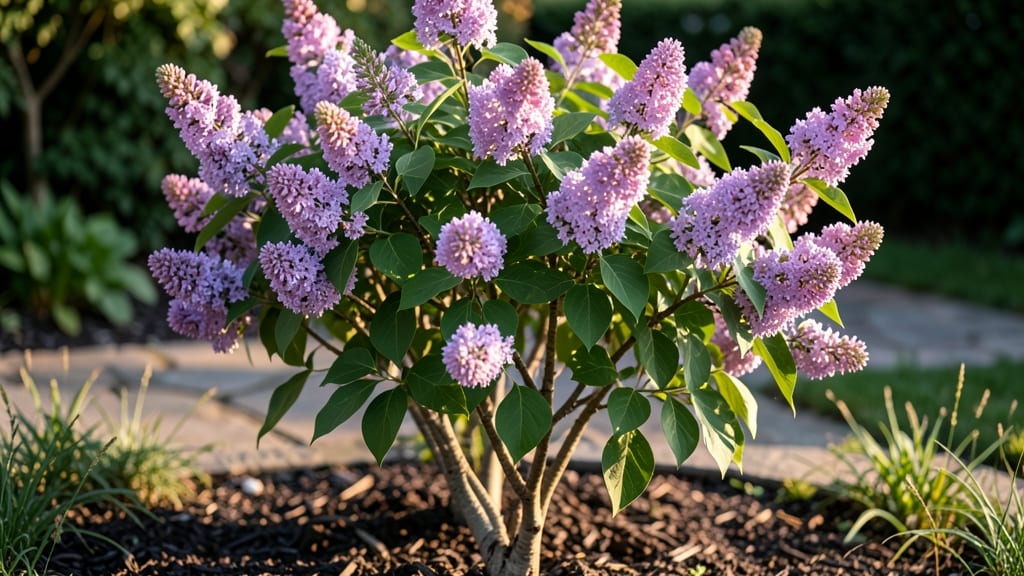
Lilacs bloom in Ohio between mid-April and early May, turning yards into fragrant purple clouds 🌸 — but the exact timing depends on your zone and the variety you’ve planted.
Ohio’s lilacs burst into fragrant blooms each spring, transforming neighborhoods into purple clouds—but timing varies dramatically by region. If you’re planning a garden, wedding, or simply want to enjoy their signature scent, knowing the exact bloom windows for Ohio’s USDA zones is essential.
In Zone 6a, where most of Ohio falls, lilacs typically bloom from late April through early May, with peak fragrance lasting about two weeks. However, early varieties like ‘Dwarf Korean’ may start as early as mid-April, while late bloomers like ‘Miss Canada’ can stretch into June.
Below, I’ll break down the zone-specific bloom timeline, the factors that shift these dates, and how to choose lilacs that bloom at just the right moment for your plans.
Ohio lilac bloom timeline by USDA hardiness zone (with exact months)
Ohio’s lilac blooms arrive like clockwork each spring, but the exact timing depends heavily on your USDA hardiness zone. From the cooler Zone 5a in northeast Ohio to the milder Zone 6b near Cincinnati, blooms can shift by 2-3 weeks.
Understanding these regional differences helps you plan wedding ceremonies, garden events, or simply enjoy peak fragrance when it matters most.
Most Ohio lilacs need 500-700 chill hours (below 45°F) to bloom reliably, which explains why northern zones often see earlier blooms than southern ones. However, microclimates—like urban heat islands or lake-effect zones—can further adjust these timelines.
Let’s break down the exact bloom windows for each zone, including early bloomers, peak season, and late-season varieties.
In Zone 5a, where winters are harshest, lilacs often bloom as early as mid-April if they’ve had sufficient chill hours. However, a late frost can damage buds, so keep an eye on frost forecasts in northeast Ohio.
For example, Youngstown’s lilacs typically peak in late April, while nearby rural areas might see blooms stretch into early May.
Moving to Zone 5b, cities like Akron and Toledo experience slightly warmer microclimates, pushing peak bloom to early May. Urban heat islands in Cleveland can advance blooms by 3-5 days, making them ideal for early spring events.
If you’re planning a garden wedding in this zone, aim for mid-May to ensure full blooms.
Ohio’s Zone 6a, home to Columbus and Dayton, enjoys milder winters, so lilacs don’t bloom until early May. This zone is perfect for late-spring garden parties because blooms last longer due to warmer nights.
In southern Ohio’s Zone 6b, including Cincinnati, lilacs often start blooming in late April, thanks to the region’s river valley warmth.
For extended bloom seasons, consider planting a mix of early, mid, and late varieties. For instance, ‘Dwarf Korean’ lilacs bloom in late April, while ‘Miss Canada’ peaks in mid-May.
This strategy ensures your garden stays fragrant from April through June, regardless of your Ohio zone.
Pro tip: If you notice your lilacs blooming earlier or later than expected, check for winter chill hours. Lilacs need 500-1,000 hours below 45°F—if winters are too mild, blooms may be sparse or delayed.
In urban areas, heat retention can also shift timelines, so monitor local weather patterns closely.
Whether you’re a garden enthusiast, a wedding planner, or just love the scent of lilacs, knowing your zone’s bloom timeline helps you make the most of Ohio’s purple spring spectacle.
Mark your calendar, and get ready for a fragrant cloud that transforms your yard into a showstopper! 🌸
5 Factors that shift lilac blooming dates in Ohio (and how to predict them)
If you’ve ever wondered why your neighbor’s lilacs bloom weeks before yours, the answer lies in Ohio’s diverse climate patterns and microclimates.
While most Ohio lilacs typically bloom between late April and early May, these five key factors can push blooms as early as mid-April or delay them until mid-June. Understanding these variables helps you predict—and even influence—when your shrubs will burst into fragrance.
First, Ohio’s USDA zones 5a-6b experience varying winter chill hours, which are critical for lilac bud formation. Most cultivars require 500-1,000 hours below 45°F during dormancy.
In northern Ohio (zone 5a), chill hours are often sufficient, but southern Ohio (zone 6b) may see earlier blooms due to milder winters. A warmer-than-average winter can reduce chill hours, delaying blooms until spring warmth triggers growth.
Second, spring temperature fluctuations play a huge role. Lilacs need consistent 50-60°F daytime temps to break dormancy. If late frost hits after buds swell, flowers may drop entirely.
Conversely, an early heatwave can force blooms weeks ahead of schedule, as I’ve seen in urban Cincinnati gardens where pavement absorbs and radiates heat.
-
1. Winter Chill Hours
500-1,000 hrs below 45°F needed; northern Ohio gets more chill, delaying blooms until May. -
2. Spring Warmth
Consistent 50-60°F days trigger blooms; heatwaves can force early blooms as early as mid-April. -
3. Microclimates
Urban areas bloom 1-2 weeks earlier than rural zones due to heat island effect. -
4. Cultivar Type
Early bloomers like ‘Sensation’ bloom in late April; late bloomers like ‘President Lincoln’ wait until June. -
5. Soil & Moisture
Well-draining, moist soil speeds up blooming; drought stress can delay blooms by 2-3 weeks.
Third, Ohio’s urban vs. rural microclimates create dramatic differences. In Cleveland or Columbus, concrete and asphalt create heat islands that can push blooms 1-2 weeks earlier than in rural Appalachian regions, where cooler nights delay bud opening.
Even within a city, south-facing slopes bloom first, while north-facing yards lag behind.
Fourth, the cultivar you choose determines bloom timing. Early varieties like ‘Sensation’ lilac often bloom in late April, while late bloomers such as ‘President Lincoln’ may not peak until mid-June.
If you’re planning a wedding or garden party, selecting the right cultivar ensures you’ll have blooms when you need them. For example, ‘Katherine Havemeyer’ is a mid-season bloomer that aligns perfectly with Ohio’s typical late April frost window.
Finally, soil conditions and moisture levels impact bloom timing. Lilacs thrive in well-draining, slightly acidic soil with moderate moisture. If your soil is too dry or compacted, blooms may arrive 2-3 weeks late.
Amending soil with compost and organic matter before planting ensures optimal conditions for timely blooming. I’ve seen container-grown lilacs bloom 10 days earlier than in-ground plants because their roots stay consistently moist.
By monitoring these five factors, you can predict—and even adjust—when your lilacs will bloom. For example, if you notice buds swelling early, protect them with frost cloth to avoid damage.
Conversely, if blooms are late, ensure your shrub has adequate water and sunlight to encourage faster growth. With a little planning, you’ll enjoy Ohio’s signature fragrance right when you want it! 🌸