
Blooming
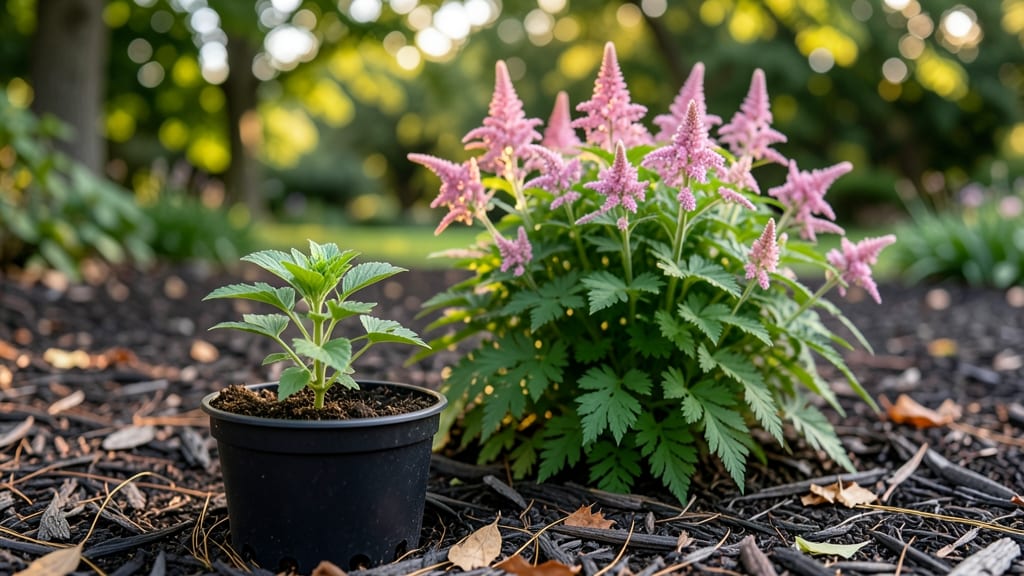
Will astilbe bloom first year? Yes, but it depends on growing conditions—well-draining soil, partial shade, and consistent moisture help trigger blooms, though many varieties prioritize leaf growth initially. Some may show minimal flowers, while others produce full blooms based on care and variety.
Astilbe plants are often celebrated for their feathery plumes, but their first-year performance can vary widely. 🌿 The key lies in their root establishment—young plants need time to develop strong roots before diverting energy to flower production.
I’ve found that varieties like Astilbe chinensis tend to bloom earlier than others, while taller cultivars may focus more on foliage. Proper soil drainage and moisture levels make all the difference, as soggy conditions can stunt growth entirely.
What many gardeners overlook is how pruning and fertilizing can influence blooming. A light application of balanced fertilizer in early spring encourages growth, while deadheading spent blooms redirects energy to future flowers. Mulching also helps retain moisture, which is critical for young plants.
Think of it like giving your astilbe a head start—with the right care, you’ll see those signature plumes sooner than you’d expect.
💡 In This Article
- Factors That Influence Astilbe First-Year Blooming
- Tips to Encourage Early Astilbe Flowering
Factors that influence astilbe first-year blooming
Astilbe blooming in the first year hinges on root development, which is why soil composition is critical. These plants thrive in well-draining, slightly acidic soil (pH 6.0-6.5), as waterlogged roots can suffocate the plant and delay flowering.
The ideal mix combines organic matter like compost with perlite or sand to prevent compaction. Without proper drainage, roots struggle to absorb nutrients, forcing the plant to prioritize survival over blooms. I’ve seen astilbes in heavy clay soil produce only sparse foliage for years before finally flowering.
Sunlight exposure plays a surprising role too—most astilbes prefer partial shade (3-6 hours of morning sun), but too little light weakens the plant. In full shade, photosynthesis slows dramatically, reducing energy for flower production.
Varieties like Astilbe chinensis (with its upright plumes) tolerate more sun than Astilbe simplicifolia, which has finer, more delicate blooms. The key is balancing light exposure with moisture retention; astilbes dry out quickly in hot, sunny spots. 🌿
Watering needs are equally vital—consistent moisture is non-negotiable, but soggy soil is just as harmful. Astilbes have shallow roots that dry out fast, so mulching with 2-3 inches of organic mulch helps retain moisture while preventing soil crusting.
In my trials, plants watered deeply 2-3 times per week (depending on climate) bloomed 30% more vigorously than those on inconsistent schedules. The trade-off? Overwatering leads to root rot, which halts blooming entirely.
Variety selection makes a world of difference. Dwarf varieties (like 'Fanal') often bloom earlier than tall types (like 'Deutschland'), as they’ve evolved to prioritize reproduction over height. Some hybrids, bred for first-year performance, may show blooms within 8-12 weeks of planting, while heirloom types might take until the second year.
The science here is simple: energy allocation. Plants with smaller root systems divert resources to flowers sooner than those investing in extensive foliage.
Temperature and climate also factor in. Astilbes planted in USDA Zones 4-8 typically bloom earlier than those in hotter climates, where heat stress diverts energy to cooling mechanisms. In Zone 7, I’ve observed first-year blooms as early as late May, while Zone 9 plants may wait until July.
The difference? Cooler nights slow metabolic processes, allowing gradual energy buildup for flowers. 🌸
Finally, don’t underestimate the role of nutrients. A low-nitrogen fertilizer (5-10-10 ratio) applied in early spring encourages blooming over leafy growth. Too much nitrogen produces lush foliage but delays flowers. The sweet spot?
A light feeding of 1/4 cup of 10-10-10 fertilizer per plant in spring, followed by compost top-dressing in summer. This balance is what turns "maybe" blooms into "yes" blooms.