
Blooming
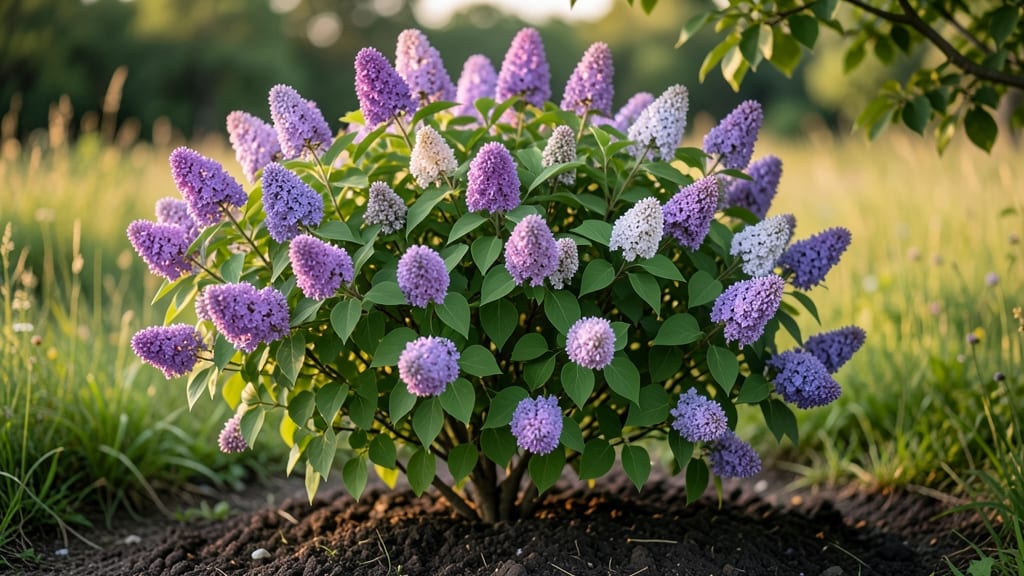
Lilacs bloom in Indiana between late April and early May, with southern areas potentially seeing flowers as early as mid-April and northern regions extending blooms into late May. Popular varieties like 'Katherine Havemeyer' lead the season, while 'Dwarf Korean' appears later.
Indiana's lilac bloom season is a beautiful but fleeting display that depends on both regional climate and specific plant genetics. 🌸 The state's varied geography—from the warmer southern counties to the cooler northern areas—creates a natural gradient where blooms might appear weeks apart.
For instance, Indianapolis gardens often see their first lilac buds around mid-April, while northern Indiana areas like Fort Wayne might not reach peak bloom until early May.
What's particularly fascinating is how different varieties respond to Indiana's USDA hardiness zones 5-6. Early bloomers like 'Katherine Havemeyer' typically emerge first because they require fewer winter chilling hours, while late varieties like 'Dwarf Korean' need more consistent spring warmth.
This explains why some years see extended blooming periods—when spring temperatures stay mild, late varieties can continue flowering well into June.
💡 In This Article
- Factors Affecting Lilac Bloom Time in Indiana
- Best Lilac Varieties for Indiana’s Timing Preferences
Factors affecting lilac bloom time in Indiana
Indiana's lilac bloom timing hinges primarily on two scientific factors: winter chilling hours and spring temperature accumulation. Lilacs require 600-1,000 hours below 45°F during winter dormancy to properly trigger flowering.
In Indiana's USDA zones 5-6, northern areas like Gary typically accumulate these chilling hours earlier than southern regions like Evansville due to colder winters. This explains why northern blooms often arrive 7-10 days later than southern gardens.
The second critical factor is spring warmth accumulation, measured in growing degree days (GDD). Lilacs need approximately 200-300 GDD above 40°F to transition from bud formation to full bloom.
In 2023, Indianapolis reached this threshold around April 12, while Fort Wayne needed until April 22. 🌸 The 10-day difference illustrates how microclimates create visible bloom gradients across the state.
Gardeners in transitional zones (like central Indiana) often experience staggered blooming when early varieties emerge first, followed by late bloomers 2-3 weeks later.
Frost dates also play a crucial role in Indiana's bloom timing. Late spring frosts (28°F) can damage emerging buds, particularly for early bloomers like 'Katherine Havemeyer'.
The National Weather Service reports that northern Indiana experiences 2-3 more frost events after April 15 compared to southern Indiana, which explains why late varieties often fare better in cooler climates. This is why landscape professionals recommend planting late-blooming varieties in northern Indiana gardens to avoid frost damage.
Soil temperature at planting depth (4 inches) affects root development, which in turn influences bloom timing. In Indiana, soil typically reaches 50°F between late March and early April in southern regions, while northern areas lag by 1-2 weeks.
This temperature difference creates a 14-day window where southern lilacs begin active growth while northern plants remain dormant. Gardeners can accelerate southern blooms by using black plastic mulch, which raises soil temperatures by 5-8°F.
Another fascinating factor is the lilac's photoperiod sensitivity. While not as critical as temperature, lilacs respond to increasing daylight hours. Indiana's daylight increases from 13 hours in early April to 14.5 hours by late April.
This 1.5-hour difference provides the subtle light signal that helps trigger flowering in varieties like 'Minnesota Snowflake', which often bloom 5-7 days earlier than other varieties under identical temperature conditions.
For gardeners tracking bloom times, the Indiana State Climate Office provides historical data showing that early blooming years correlate with warmer-than-average winters (fewer chilling hours) and milder springs. The 2012 bloom season, for example, began 2 weeks early across the state due to these conditions.
Understanding these factors allows gardeners to select varieties that match their local microclimate and potentially extend the bloom season through strategic planting.