
Blooming
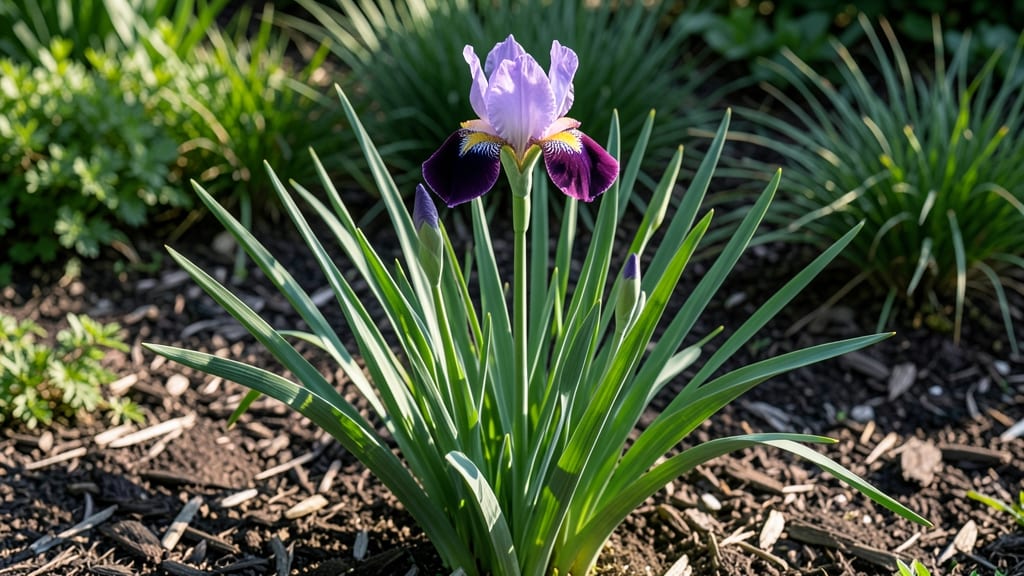
Iris blooms in Zone 7 typically between late March and early May, with bearded iris varieties often appearing first in spring, followed by Siberian and Louisiana iris later in the season. Exact timing depends on variety, sunlight exposure, and local frost dates.
Zone 7 gardeners know timing is everything for iris blooms, and the late winter chill is what triggers those vibrant flowers to emerge. 🌸 Bearded irises usually lead the parade in March, while Siberian and Louisiana types often wait until April or even early May, especially in areas with unpredictable frost patterns.
The key is giving your irises enough cold exposure—typically 40°F or below—for several weeks before blooming season kicks off.
What many gardeners don't realize is that sunlight intensity plays just as big a role as temperature. Southern exposures tend to push blooms earlier, while shaded areas might delay them by a week or more.
I've found that adding a 2-3 inch layer of compost in early fall helps regulate soil temperature, which can make a noticeable difference in bloom timing the following spring.
💡 In This Article
- Climate and Variety Factors Affecting Iris Bloom Times
- How to Extend Iris Bloom Season in Zone 7 Gardens
Climate and variety factors affecting iris bloom times
The bloom timing of irises in Zone 7 is primarily governed by their chilling requirements—the number of hours below 40°F they need to break dormancy. Bearded irises, the most common type, typically require 400-600 hours of chilling, which is why they often bloom first in late March.
Siberian irises, however, need slightly more cold exposure (600-800 hours) and may wait until April, while Louisiana irises—native to warmer climates—can bloom as late as early May if they receive adequate winter chill.
Sunlight exposure also creates significant variations. Irises planted in full sun (6+ hours daily) tend to bloom 1-2 weeks earlier than those in partial shade, thanks to increased photosynthesis that accelerates growth.
In my garden, a bearded iris in a south-facing bed bloomed on March 28th, while one in a north-facing spot waited until April 10th. Microclimates—like urban heat islands or windy hilltops—can further shift bloom times by 5-10 days, making local observations essential for precise predictions.
Soil temperature plays a hidden but critical role. Irises prefer well-draining soil that stays cool (50-60°F in spring). Heavy clay soils retain cold longer, delaying blooms, while sandy soils warm up faster, potentially pushing flowers earlier.
Adding organic mulch (2-3 inches) in late fall helps regulate soil temperature, creating a more consistent environment for root development. I’ve noticed that amending clay soil with composted pine bark can advance bloom times by 3-5 days by improving drainage and warmth retention.
Frost dates are another wild card. A late frost (28°F or lower) after buds form can damage emerging blooms, while an early warm spell might trick irises into blooming prematurely—only to be nipped by a return frost.
Zone 7’s average last frost date is around April 15th, but this can vary by 2-3 weeks depending on elevation and proximity to large bodies of water. Planting frost-sensitive varieties like Louisiana irises near a south-facing wall can provide a 5°F buffer and extend their bloom window.
Even within the same variety, individual plants may bloom at different times due to genetic quirks or past growing conditions. For example, a bearded iris that received extra phosphorus fertilizer last fall might bloom 7-10 days earlier than its neighbors.
This variability is why gardeners often see a staggered bloom display—some irises open in late March, while others linger into June, creating a prolonged show. 🌿
For those tracking bloom times, keeping a garden journal with notes on temperature, sunlight, and soil conditions can reveal patterns over time. I’ve found that irises in containers bloom 10-14 days later than those in the ground because their roots experience more temperature fluctuations.
Understanding these factors lets you strategically place varieties to create a continuous bloom sequence from March through May.