
Blooming
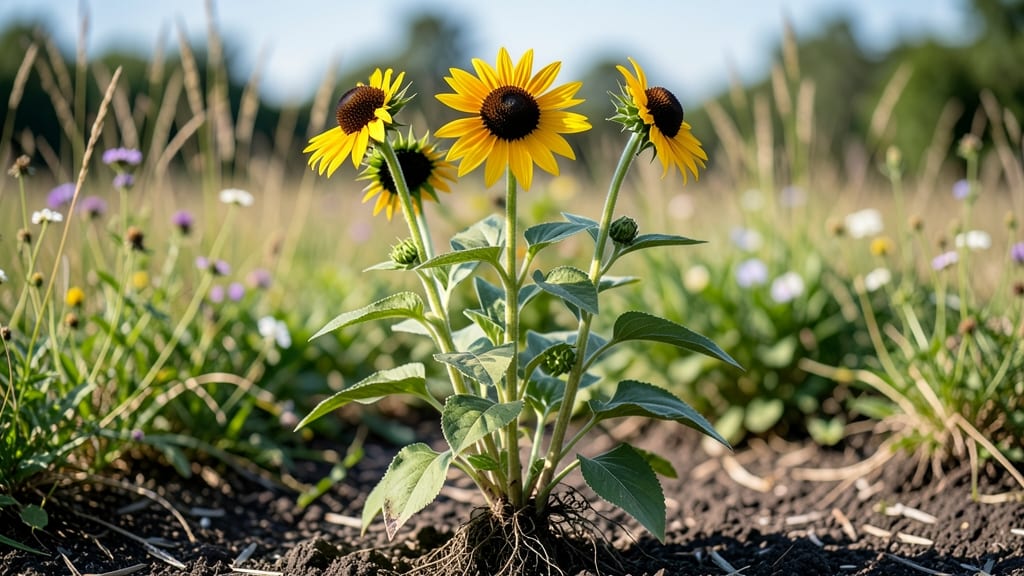
Black-eyed Susans bloom all summer in most regions, creating vibrant displays from mid-July through September. Their peak flowering period spans about 6-8 weeks, though cooler climates can extend this window significantly.
These cheerful flowers thrive in summer's heat, making them a garden staple. 🌞 The key to their long bloom time lies in their heat tolerance and ability to handle drought once established.
In warmer southern regions, they may start blooming as early as June, while northern gardens often see their first flowers in late July. The color intensity also varies by variety—darker petals like 'Becky' tend to hold up better in intense sun, while lighter types might fade faster in extreme heat.
What many gardeners don't realize is that proper care can push blooms even later into fall. Regular deadheading (removing spent blooms) encourages new flowers to form, while consistent moisture during dry spells prevents buds from dropping.
I've found that planting them in well-draining soil with some afternoon shade in hot climates can extend their season by 2-3 weeks. The secret isn't just about timing—it's about creating the right growing conditions that match their natural preferences.
💡 In This Article
- Why Black-Eyed Susans Bloom Best in Late Summer Heat
- Extending Black-Eyed Susan Blooms: Pruning and Care Tips
Why black-eyed Susans bloom best in late summer heat
Black-eyed Susans (Rudbeckia hirta) are biological marvels of summer gardens because they've evolved to thrive in the very conditions that stress many other plants.
Their flowering mechanism is directly tied to day length and temperature—they respond to the longer daylight hours of late summer (typically after the summer solstice) with a surge in flower production.
The plant's native range across North America means it's adapted to handle 75-95°F temperatures during the day, with nighttime lows as low as 50°F, which triggers their blooming cycle. This heat tolerance explains why they often peak in August when many other perennials begin to fade.
Their drought resistance plays a crucial role too. Once established, Black-eyed Susans can go weeks without significant rainfall, thanks to their deep root systems that tap into moisture 12-18 inches below the surface.
This adaptation allows them to continue blooming even during dry spells that might cause other flowers to wilt. 🌡️ In regions like the Southern U.S., where summer temperatures often exceed 90°F, they may start blooming as early as June, while in cooler Northern climates, they typically wait until late July to begin their 6-8 week flowering window.
The key difference is that Southern plants experience more consistent heat, while Northern plants rely on gradual temperature increases to trigger blooming.
Sunlight exposure is another critical factor. Black-eyed Susans require full sun (6-8 hours daily) to produce their best blooms, but they have a clever adaptation: their dark centers help absorb and retain more heat, creating microclimates that protect the flower buds.
This is why you'll often see them thriving in sunny borders where other plants might struggle. The intensity of sunlight also affects petal color—darker varieties like 'Becky' develop richer hues in full sun, while lighter types might bleach out if exposed to intense afternoon sun without adequate moisture.
Regional climate variations create fascinating differences in bloom timing. In the Pacific Northwest, for example, Black-eyed Susans might continue flowering into October because cooler nights slow their metabolic processes, extending the season.
Meanwhile, in the Midwest, where summer heat is intense but nights are warm, they typically peak in August and taper off by early September. The 10-15°F temperature difference between these regions can shift bloom periods by 4-6 weeks, demonstrating how microclimates shape garden performance.
What's particularly interesting is how temperature fluctuations affect their blooming rhythm. Black-eyed Susans follow a pattern where they produce flowers in response to heat spikes, then enter brief periods of dormancy during cooler days. This creates their characteristic "on-again, off-again" blooming pattern that many gardeners notice.
The plant's ability to pause and restart flowering based on weather conditions makes them more resilient than annuals that bloom all at once and then fade.
For gardeners, understanding these botanical triggers means you can create ideal conditions to extend their season. Planting them in locations that receive morning sun and afternoon shade in hot climates can push blooms into early fall.
In cooler regions, providing a slightly sheltered spot can help them start blooming earlier in the season. The result? A nearly continuous display of golden-yellow blooms that turns heads from July through September—and sometimes beyond.