
Blooming
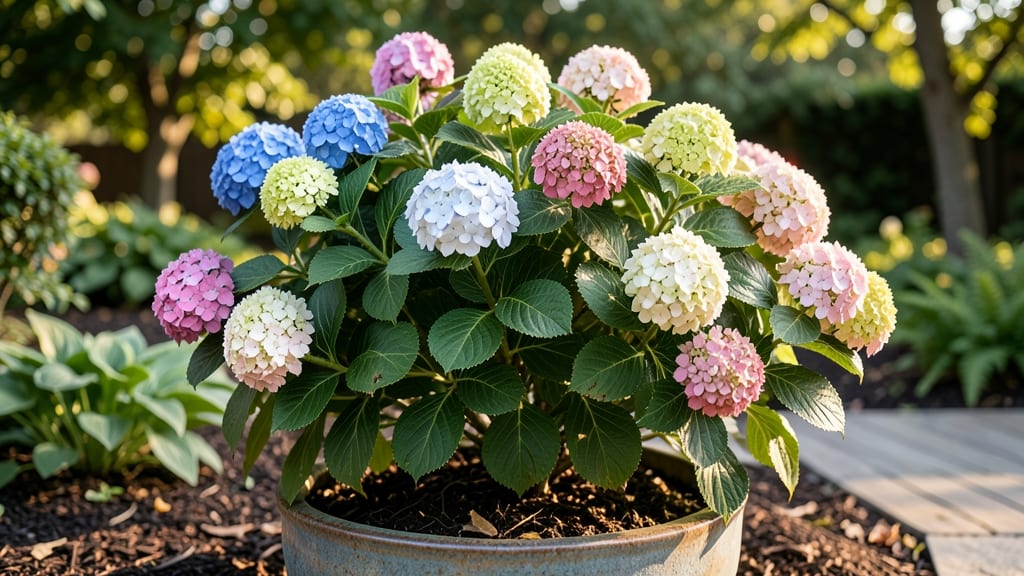
Hydrangeas bloom in Wisconsin from late June through August, with some varieties like 'Endless Summer' starting as early as May and others like 'Limelight' stretching into September.
Wisconsin gardeners know the thrill of hydrangeas bursting into color—but timing these blooms right depends on your variety and local microclimate.
In USDA Zones 5a-5b, late spring frosts can delay blooms, while summer heat may push them earlier. Bigleaf hydrangeas often wait until July, while panicle types like 'PeeGee' can start in June and last well into fall.
Below, I’ll break down the exact months for each type, how to protect flowers from frost, and simple pruning tricks to extend your bloom season—so you’re not left waiting for color when the neighbors’ gardens are already in full swing.
Hydrangea bloom schedule in Wisconsin: month-by-month breakdown by variety
Wisconsin’s cool summers and variable frost dates create a unique window for hydrangeas to shine. Most varieties bloom between late June and August, but timing varies by type—Bigleaf hydrangeas often peak in July-August, while Panicle types may extend into September.
Understanding these differences helps you plan for peak color and adjust care to protect blooms from late frosts.
Your local microclimate also plays a role. Southern Wisconsin’s warmer zones (like Madison) may see blooms 2-3 weeks earlier than northern areas (e.g., Green Bay). Even within the same region, urban heat islands can push blooming earlier by 10-14 days.
Track your hydrangea’s progress with a simple garden journal to refine predictions year after year.
Here’s the breakdown you’ve been waiting for—a variety-specific bloom schedule tailored to Wisconsin’s USDA Zones 5a-5b. Use this as your guide to prune at the right time, fertilize for blooms, and protect flowers from unexpected cold snaps.
| Variety | Bloom Window | Peak Month | Notes for Wisconsin |
|---|---|---|---|
| Bigleaf (e.g., 'Endless Summer') | Late June - Early August | July | Reblooms on old wood; prune after flowering. |
| Panicle (e.g., 'Limelight') | July - September | August | Blooms on new wood; prune late winter/early spring. |
| Oakleaf (e.g., 'Snow Queen') | Mid-July - Early September | August | Cold-hardy; thrives in partial shade. |
| Smooth (e.g., 'Annabelle') | June - July | Late June | Early bloomer; full sun lover. |
| Mountain (e.g., 'Alice') | Late July - August | August | Drought-tolerant; great for northern WI. |
If you’re growing 'Endless Summer' Bigleaf hydrangeas, you’ll notice two bloom cycles: the first flush in late June and a second round in August-September.
This reblooming habit makes it a Wisconsin favorite, but it requires consistent moisture and light feeding in early summer to encourage those extra flowers.
For Panicle hydrangeas like 'Limelight' or 'Little Lime', the show starts in July and often lasts until frost. These varieties are late bloomers, so they’re less affected by late spring frosts that can nip Bigleaf buds.
Prune them in late winter (February-March) to shape the plant and encourage strong new wood growth.
Oakleaf hydrangeas, such as 'Snow Queen', are Wisconsin’s unsung heroes. Their long bloom season (mid-July to early September) and stunning fall foliagelow-maintenance choice.
They thrive in partial shade, which is ideal for Wisconsin’s hot afternoons. Mulch heavily in spring to protect roots from temperature swings.
Smooth hydrangeas, like 'Annabelle', are the early bloomers of the group, often bursting into white pom-poms by late June. They’re full-sun lovers, which works well for southern WI gardens but may need afternoon shade in hotter microclimates.
Their bold blooms make them perfect for cut arrangements, but they’re one-and-done bloomers—no reblooming.
To extend your hydrangea’s bloom season, feed in early summer (June) with a balanced fertilizer (10-10-10). This gives plants the nutrients needed for reblooming. Also, water deeply once a week during dry spells—stress reduces flower production. If your hydrangeas bloom late or sparsely, check for <
How Wisconsin’s climate affects hydrangea blooming: chill hours, frost risks, and care tips
Wisconsin’s cool summers and variable frost dates create unique challenges for hydrangea blooms. Unlike warmer climates, our 200–1,000 chill hours influence when buds form, while late spring freezes can wipe out delicate flowers. Understanding these factors helps you time pruning, protect blooms, and choose the right varieties for your zone.
Most hydrangeas need 300–600 chill hours to set buds properly, but Oakleaf hydrangeas thrive with just 200 hours, making them ideal for southern Wisconsin. Northern areas (Zone 4) may struggle with Panicle hydrangeas, which often need 800+ hours.
Your microclimate—whether near Lake Michigan or inland—can shift bloom times by 2–4 weeks.
⚠️ callout-warning
Pruning at the wrong time can also disrupt blooming. Bigleaf hydrangeas (like 'Endless Summer') bloom on old wood, so prune right after flowering—usually July–August. Panicle and Smooth hydrangeas, however, bloom on new wood, so prune late winter/early spring (before buds swell) to encourage robust summer blooms.
To extend your bloom season, mulch heavily in fall to protect roots from winter temperature swings. In spring, water deeply when buds appear (May–June) to prevent stress.
Avoid heavy nitrogen fertilizers, which promote leaves over flowers. Instead, use a balanced 10-10-10 fertilizer in early spring to support bud formation.
If your hydrangeas bloom late or poorly, check for underwatering or poor soil drainage. Wisconsin’s clay-heavy soils often need amendments like compost or sand to improve airflow. For acid-loving Bigleaf varieties, test your soil—aim for a pH of 5.2–6.0 to ensure vibrant blooms.
With the right care, Wisconsin hydrangeas can reward you with June–September color, even in our unpredictable climate. Start by choosing cold-hardy varieties, time pruning correctly, and protect buds from frost. Your garden will thank you with lush, long-lasting blooms year after year. 🌸