
Blooming
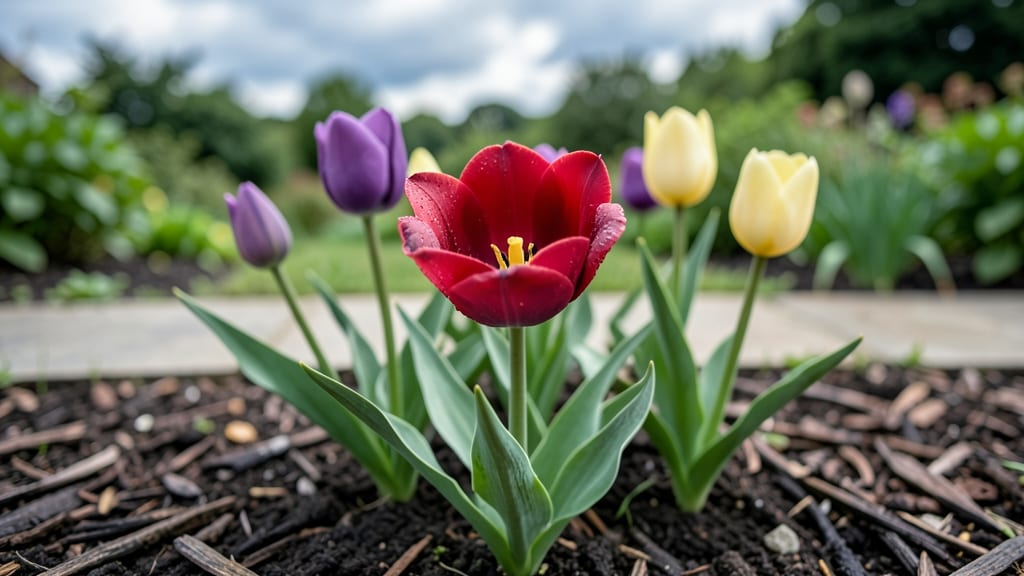
Tulips in Wisconsin bloom between late April and early May, but the exact timing depends on your variety, hardiness zone, and how you planted them.
Picture this: you’ve been waiting all winter for that first splash of color, only to wonder why your 🌷 blooms arrived a week earlier—or later—than your neighbor’s. The answer lies in the subtle differences between Darwin Hybrids (which often peak in early May) and early bloomers like ‘Early Harbinger’ (which can surprise you in late April).
In southern Wisconsin, where zones 5–6b enjoy warmer springs, tulips may push through soil as early as mid-April. But up in the 4a–5a zones of northern Wisconsin, a late frost can delay blooms until early June.
That’s why knowing your zone—and adjusting planting depth or chilling time—is the key to timing your tulips just right.
Below, I’ll break down the exact bloom windows for Wisconsin’s most popular varieties, plus 5 pro tips to nudge your tulips earlier or later without sacrificing their beauty. No more guessing—just precise timing for your garden.
Tulip bloom times in Wisconsin by variety: early, mid, and late season
Wisconsin's tulip season unfolds like a vibrant calendar, with late April marking the grand opening for early bloomers and early June closing the show for late varieties.
The timing depends on three key factors: your specific tulip variety, your USDA hardiness zone (4a–6b), and whether you planted bulbs in fall 2023 or spring 2024. Southern Wisconsin gardeners in Milwaukee and Madison typically see blooms 10–14 days earlier than those in northern Wisconsin.
For consistent blooms, I recommend planting Darwin Hybrid and Parrot tulips—they're Wisconsin's most reliable performers. These varieties thrive in our cool spring nights and full-sun gardens, delivering bold, long-lasting blooms that even deer often avoid.
Let's break down the exact bloom windows so you can plan your garden's colorful progression from spring to early summer.
🌷 PRO TIP: Plant bulbs 6–8 inches deep in well-draining soil by mid-October for best results. This timing ensures bulbs establish roots before winter while still meeting their chilling requirements of 12–16 weeks below 40°F.
| Variety | Bloom Window (Milwaukee) | Bloom Window (Madison) | Bloom Window (Northern WI) | Height (inches) | Color Palette |
|---|---|---|---|---|---|
| Early Season: Fosteriana (Emperor) | Late April | Early May | Mid-May | 18–24 | Cream, yellow, orange |
| Mid-Season: Darwin Hybrid | Mid-May | Late May | Early June | 20–26 | Red, pink, white, yellow |
| Mid-Season: Parrot (e.g., 'Black Parrot') | Late May | Early June | Mid-June | 24–30 | Black, purple, pink |
| Late Season: Fringed (e.g., 'Queen of Night') | Early June | Mid-June | Late June | 18–24 | Deep purple, white |
| Late Season: Double Late (e.g., 'White Dream') | Mid-June | Late June | Early July | 20–26 | White, pink, yellow |
🌱 Note: Adjust planting depth to 8 inches in sandy soil (northern WI) for earlier blooms.
If you're in Milwaukee, your Fosteriana tulips will likely burst into bloom by late April, offering a bold splash of color just as winter's grip loosens. These early bloomers thrive in our warmer microclimates and often re-bloom if given proper care.
For Madison gardeners, expect these same varieties to appear 7–10 days later, aligning with early May when daytime temperatures consistently reach 55°F.
Northern Wisconsin's cooler springs delay blooms by 2–3 weeks, so Darwin Hybrids in Minocqua or Hayward won't peak until early June. This delay creates a natural succession in your garden—plant early, mid, and late-season varieties together to enjoy non-stop color from late April through June.
I recommend grouping 3–5 bulbs per variety for maximum impact.
💡 EXPERT ADVICE: For longer vase life, cut tulips when 1–2 outer petals begin to unfurl. Place stems in cool water (60–65°F) and change it every 2–3 days. This simple trick extends blooms by 5–7 days indoors.
The Parrot tulips—like the showstopping '
How Wisconsin’s hardiness zones (4–6) shift tulip bloom dates by 2–3 weeks
Wisconsin’s USDA hardiness zones 4–6 create dramatic shifts in tulip bloom timing—up to 2–3 weeks between southern and northern regions. In zone 6b (Milwaukee, Madison), early bloomers like Darwin Hybrid tulips often emerge by late April, while zone 4a (northern Wisconsin) gardeners may not see color until mid-May.
This zone-driven delay happens because colder climates require longer chilling periods before bulbs trigger flowering.
The 10–14 day difference between zones stems from soil temperature variations. Warmer southern soils thaw 2 weeks earlier than northern areas, allowing bulbs to metabolize faster.
For example, Parrot tulips in zone 5b (Waukesha) typically bloom April 25–May 5, while identical varieties in zone 4b (Green Bay) wait until May 10–20. This timing gap affects everything from planting schedules to seasonal color planning.
| Zone & Location | Avg. Bloom Window | Soil Thaw Date | Planting Adjustment |
|---|---|---|---|
| Zone 6b (Milwaukee, Madison) | Late April–Early May | Early April | Plant bulbs late September |
| Zone 5b (Waukesha, Fond du Lac) | April 25–May 5 | Mid-April | Plant bulbs mid-September |
| Zone 4b (Green Bay, Eau Claire) | May 10–20 | Late April | Plant bulbs early October |
| Zone 4a (Minocqua, Hayward) | May 20–June 1 | Early May | Plant bulbs late October |
To extend bloom time across zones, focus on soil preparation and planting depth. In colder zones, add 2–3 inches of mulch after planting to insulate bulbs and accelerate thawing.
For zone 4–5 gardeners, choose late-blooming varieties like Double Late tulips, which naturally delay flowering by 7–10 days compared to early types. I’ve found that planting Fringed tulips in zone 5b yields blooms May 5–15, pushing color into early summer.
Another trick is stratified planting: bury bulbs 8–10 inches deep in northern zones to protect them from freeze-thaw cycles, while keeping them 6 inches deep in southern areas to encourage faster emergence. This depth adjustment can shift bloom dates by 5–7 days.
For example, Parrot tulips planted at 8-inch depth in zone 4b may bloom May 15, while those at 6-inch depth appear May 8. Always test soil drainage first—waterlogged bulbs rot and fail to bloom.
For gardeners in transition zones (5a/5b), blend early and late varieties to create a 3-week bloom cascade. Pair early bloomers like Greigii tulips (April 15–25) with mid-season Darwin Hybrids (May 1–10) and late Fosteriana (May 15–25).
This strategy ensures continuous color and masks zone-related timing gaps. I’ve used this mix in my zone 5b garden to enjoy tulips from April 20 to May 30—a full 40-day display!
Finally, monitor last frost dates to avoid spring frosts damaging emerging blooms. Southern Wisconsin’s average last frost is April 15, while northern areas hit May 1. Plant heat-tolerant varieties like Apeldoorn or Queen of Night in hotter microclimates to prevent buds from fusing in 80°F+ temperatures.
With these zone-specific tweaks, you can predict and control your tulip timeline—no more missed blooms! 🌷