
Blooming
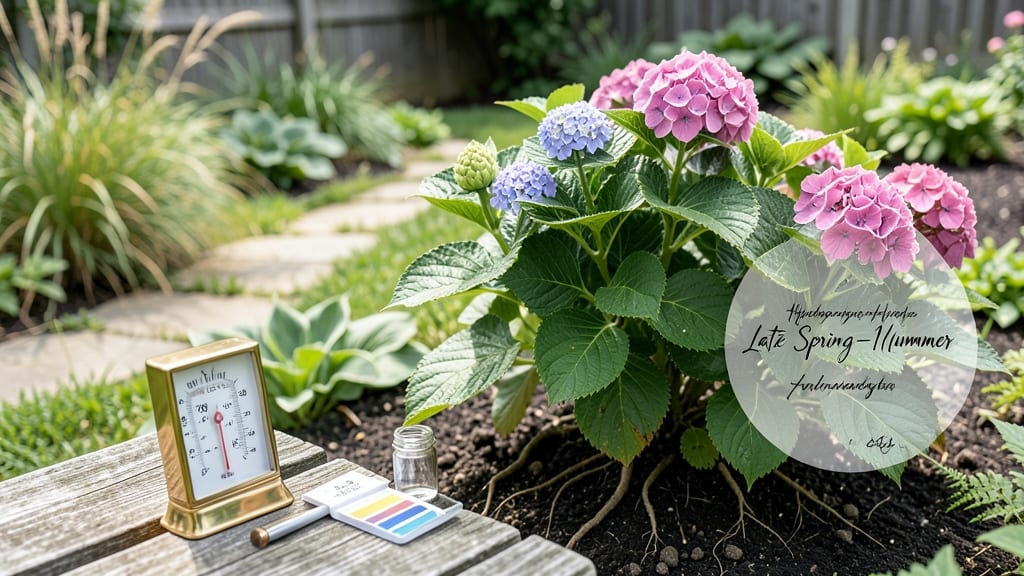
Hydrangeas in Indiana bloom between late May and early July 🌸, with some varieties stretching into August for a stunning late-summer show.
If you’ve ever wondered why your hydrangeas seem to bloom at the "wrong" time—or why some varieties explode with color while others barely bud—timing is everything. Understanding exact bloom windows by variety and hardiness zone helps you plan your garden like a pro.
Indiana’s 6a climate plays a huge role: late frosts can delay blooms, while warm spells might push them earlier. Bigleaf hydrangeas (like 'Endless Summer') often bloom in June, while panicle types (such as 'Limelight') peak in July, giving you a two-month color parade if you mix varieties.
Below, I’ll break down the month-by-month blooming schedule for Indiana’s top hydrangeas, plus pro tips to ensure your shrubs put on their best show—year after year.
Hydrangea bloom times in Indiana by variety: month-by-month guide
Indiana’s USDA Zones 5-6 offer perfect conditions for hydrangeas, but bloom times vary dramatically by variety. Bigleaf hydrangeas (like Endless Summer) often bloom on old wood, while panicle types (such as Limelight) thrive on new growth.
Understanding these differences helps you plan for season-long color and avoid pruning mistakes that could rob you of blooms.
In Indiana, late spring frosts (common until mid-April) can delay blooming, while hot, humid summers extend the show. Oakleaf hydrangeas, for example, often bloom in late spring and again in fall, making them a standout choice.
Let’s break down the exact months for each popular type so you can time your garden like a pro.
| Variety | Bloom Period | Peak Months | Notes |
|---|---|---|---|
| Bigleaf (e.g., Endless Summer) | Late May - July | June | Blooms on old wood; prune after flowering. |
| Panicle (e.g., Limelight, Little Lime) | June - September | July-August | Blooms on new wood; prune in late winter. |
| Oakleaf (e.g., Oakleaf Hydrangea) | June - August and September-November | July, October | Reblooms in fall; stunning foliage. |
| Smooth (e.g., Anomala) | June - August | July | Fragrant blooms; drought-tolerant once established. |
If you’re growing Bigleaf hydrangeas (like the classic Nikko Blue), expect blooms to appear in late May and peak in June. These varieties rely on last year’s growth, so avoid pruning until after they’ve finished blooming.
A common mistake is cutting back too early—this can remove next year’s flower buds!
Panicle hydrangeas, such as Limelight, are the showstoppers of summer and early fall, blooming from June through September. Their cone-shaped flowers start as green buds and mature to creamy white or pink. These varieties bloom on new wood, so you can prune them in late winter without risking missed blooms.
For a double bloom season, plant Oakleaf hydrangeas. They burst into color in June-July and then rebloom in fall, often lasting until November. The foliage also turns stunning shades of red and orange, adding winter interest. These are perfect for Indiana’s cooler autumns.
Don’t overlook Smooth hydrangeas (like Anomala), which thrive in hotter, drier conditions and bloom from June to August. Their fragrant, lacecap flowers attract pollinators and add a delicate touch to gardens. These are ideal if your yard gets full sun exposure.
To extend your hydrangea season, choose varieties with different bloom times. For example, pair a late-blooming Bigleaf (like Endless Summer) with an early Panicle (like Little Lime) to ensure continuous color from June to Octoberearly spring to protect roots from temperature swings.
Indiana’s humidity levels can also impact bloom quality. If your hydrangeas produce smaller flowers or fewer blooms, they may need more balanced fertilizer (like 10-10-10) in early spring. Avoid heavy nitrogen—it encourages leafy growth at the expense of flowers.
Pro tip: Deadhead spent blooms on Panicle and Smooth hydrangeas to encourage longer flowering. For Bigleaf types, skip deadheading—it removes next year’s buds. Water deeply once a week during dry spells, especially in July and August, when Indiana’s heat can stress plants.
By matching your hydrangea variety to its ideal bloom window, you’ll create a stunning, low-maintenance garden that thrives in Indiana’s climate. Start planning now—your future blooms will thank you! 🌸
How Indiana’s climate affects hydrangea blooming: 3 key factors
Indiana’s unpredictable spring frosts and high summer humidity can throw off hydrangea bloom times more than you’d think. While most varieties aim for late May to July blooms, late frosts in April or May can delay or damage buds entirely.
The good news? Understanding these three climate factors lets you adjust care for reliable blooms every season.
First, late frosts (common until mid-April in Zone 6a) often catch hydrangeas off guard. Buds set in late summer/fall need consistent warmth to open, but a sudden freeze can turn vibrant blooms into crispy brown sticks. This is why Oakleaf hydrangeas often bloom earlier—they’re more frost-tolerant once buds form.
- 🌡️ Soil Temperature: Buds need 55°F+ soil to break dormancy. Cold, wet springs (like Indiana’s) delay blooms by 2-4 weeks.
- 💧 Humidity Levels: High summer humidity (70%+) can cause bud blast—buds swell but fail to open. Prune after blooms fade to prevent stress.
- ❄️ Late Frosts: Panicle hydrangeas (like 'Limelight') bloom on new wood, so they recover better than Bigleaf types if frosts hit.
Second, Indiana’s humidity swings play a sneaky role. While hydrangeas love moisture, excessive humidity (especially in June-July) can trigger bud rot or powdery mildew.
I’ve seen Endless Summer hydrangeas produce fewer blooms in humid years unless I improve airflow with strategic pruning—thinning crowded centers by 20-30% makes a huge difference.
Third, soil temperature is the silent boss of bloom timing. Most hydrangeas need consistent 60°F+ soil for 6+ weeks to push buds.
In Indiana’s Zone 6a, this often means blooms get delayed until late June if April is cold. Panicle types (like 'Little Lime') handle this better because they bloom on new growth, while Bigleaf varieties (like 'Nikko Blue') need warmer soil to set buds properly.
To adjust care for reliable blooms, start with pruning timing. For Bigleaf hydrangeas, prune right after blooming (July-August) to avoid cutting off next year’s buds. For Panicle types, prune in late winter to encourage new wood blooms.
And if your soil stays cold? Add black plastic mulch in early spring to warm roots faster.
Finally, watch for color shifts—a sure sign your hydrangeas are reacting to climate. Blue blooms in alkaline soil? Add cottonseed meal to lower pH. Pink turning green?
It’s likely nutrient stress from too-wet soil. Indiana’s climate is challenging, but with these adjustments, you’ll get bigger, brighter blooms year after year.