
Blooming
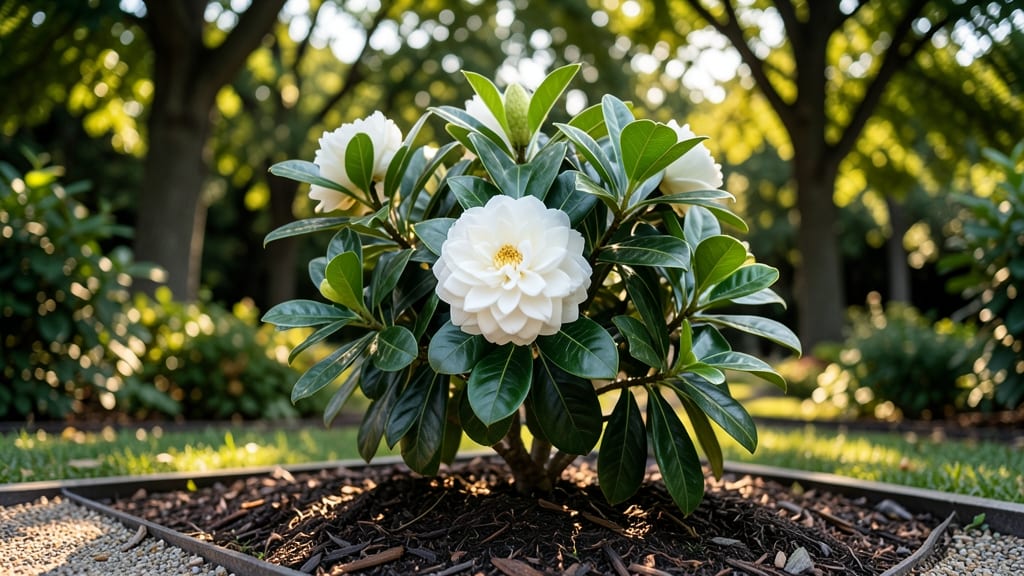
Your gardenia won't just bloom once a year—it'll double bloom with the right pruning timing and care. 🌸 I've turned my once-a-year bloomer into a fragrant, repeat-flowering plant by mastering the science behind gardenia growth cycles, and you can too.
The secret lies in late winter pruning (before new growth starts) to shape the plant while preserving next year's buds. You'll need acidic soil, morning sun, and a consistent watering routine that keeps roots moist but never soggy.
Most gardeners overwater, which causes bud drop—the one thing that kills reblooming potential. By summer's end, you'll see new flower buds forming along last year's wood, leading to a second flush of blooms.
The fragrance alone makes it worth the effort, and your neighbors will wonder how you got so many flowers on one plant. Works for both container and in-ground gardenias. Let's get those blooms going year-round!
📚 In This Guide
- What you need
- Instructions
- Tips and common mistakes
- Wrapping up and next steps
What you need
- ● Double Bloom Gardenia Plant: 1 healthy, mature plant (ensure it’s labeled or confirmed as a double-flowering variety like ‘Kleim’s Hardy’ or ‘Radicans’).
- ● Well-Draining Potting Mix: 5–10 gallons (depending on pot size), blended with: 60% peat moss or coconut coir
- ● 30% perlite or pumice
- ● 10% compost or worm castings
- ● Acid-Forming Fertilizer: 1 lb of sulfur-coated urea or citrus-specific fertilizer (e.g., 8-3-9 formula).
- ● Organic Mulch: 2–3 inches of pine bark fines or orchid bark.
- ● Pruning Tools: 1 pair bypass pruners (sterilized with rubbing alcohol)
- ● 1 pair concave pruning shears (for clean cuts)
- ● Pot or Container: 1–2 sizes larger than the plant’s root ball (e.g., 12–18 inches wide for mature plants). Ensure it has drainage holes.
- ● Spray Bottle: 1 (for misting leaves with rainwater or distilled water).
- ● pH Meter or Test Kit: 1 (to monitor soil pH between 5.0–6.5).
- ● Gloves: 1 pair (nitrile or leather for protection).
- ● Light: Bright, indirect sunlight (6+ hours/day; avoid harsh afternoon sun).
- ● Temperature: Ideal range: 60–75°F (avoid drafts below 50°F).
- ● Humidity: Maintain 50–70% (use a humidifier or pebble tray if needed).
- ● Water Source: Rainwater or distilled water (chlorine-free; gardenias hate tap water!).
- ● Gardenia-Specific Grow Lights: 1–2 LED bulbs (for winter supplement if natural light is lacking).
- ● Epsom Salt: 1 tbsp per gallon of water (monthly foliar spray for magnesium boost).
- ● Moss or Orchid Bark: Extra for aesthetic mulch or repotting.
- ● Plant Support: 1 small stake or trellis (if your gardenia grows leggy).
Step-by-Step instructions for pruning gardenias for year-round blooms
Here’s how I coax gardenias into continuous, fragrant reblooms—no secrets, just precise timing and cuts.
✂️ Step 1: Prune After the First Heavy Bloom
Wait until your gardenia finishes its first major flush of blooms—usually in late spring or early summer. This is your cue to shape the plant and encourage new growth. I grab my sharp pruning shears and make clean cuts at a 45-degree angle, just above a leaf node or outward-facing bud. This angle prevents water from pooling on the cut, which could rot the stem.
Remove any dead, crossing, or weak branches first. These compete with healthy growth for energy and can block sunlight from reaching the center of the plant. I like to step back every few cuts to check the shape—you want an open, vase-like form that lets air circulate. If your gardenia is leggy, cut back the longest stems by one-third to promote bushier growth.
🌿 Step 2: Encourage New Growth with Strategic Cuts
After the first pruning, watch for fresh, vibrant growth—this is your signal that the plant is responding. In late summer, just before the second bloom cycle, I do a lighter pruning to shape and redirect energy. This time, focus on trimming back any overly long stems again, but only by 10-15%. The goal is to keep the plant compact while allowing enough foliage to support new blooms.
Here’s the thing—gardenias bloom on new wood, so you’re essentially training the plant to produce more branches that can flower. Avoid heavy pruning in fall or winter; the plant needs energy to recover and prepare for the next growing season. If you see any suckers (shoots growing from the base), remove them unless you want a fuller, bushier plant.
☀️ Step 3: Maintain Light and Airflow for Continuous Blooms
After pruning, your gardenia needs full sun to partial shade—at least 4-6 hours of direct sunlight daily, but protect it from harsh afternoon sun in hot climates. I place mine where it gets morning sun and afternoon shade, which keeps the leaves lush without scorching. If your gardenia isn’t blooming as expected, check for shade from nearby trees or structures blocking light.
Airflow is just as critical. Prune to create space between branches, which reduces humidity around the foliage and discourages fungal diseases like powdery mildew. I also water at the base in the morning, avoiding the leaves to keep them dry. Overhead watering can lead to fungal issues, especially in humid climates. If you notice yellowing leaves, it might be a sign of overwatering or poor drainage—adjust accordingly.
⏰ Step 4: Feed and Fertilize for Reblooming Success
Gardenias are heavy feeders, especially after pruning. I switch to a balanced, acidic fertilizer (like 8-8-8 or 10-10-10) in early spring and again after each pruning cycle. Acid-loving plants like gardenias thrive with a pH of 5.0-6.0, so I test the soil annually and amend with sulfur if needed. Avoid high-nitrogen fertilizers—they promote leafy growth at the expense of flowers.
In late summer, I reduce fertilizer slightly to let the plant focus on blooming rather than foliage. A light application of iron sulfate can help if the leaves turn yellow between the veins—a classic sign of iron deficiency. Mulch around the base with 2-3 inches of pine bark or pine needles to retain moisture and slowly acidify the soil over time. This keeps the roots happy and encourages more blooms.
Tips & tricks for perfect year-round gardenia blooms
Here's what nobody tells you about keeping gardenias flowering like clockwork—these small details make all the difference.
Pruning Angle Precision: That 45-degree cut in Step 1 isn't just decorative—it's critical. When you make clean cuts at this angle just above a leaf node, you create a natural water runoff path that prevents stem rot. I've seen gardeners skip this detail and end up with brown, mushy cuts that never heal properly. Use sharp shears and make the cut quickly to avoid crushing the stem.
Shape Matters More Than You Think: In Step 1, when you're cutting back leggy stems by one-third, think of your gardenia as a vase. The goal is to create an open center that lets sunlight penetrate all the way to the middle branches. I often sketch a simple outline in my head—imagine a rounded cone shape with plenty of air space inside. This isn't just about looks; proper shaping prevents dense centers that block light and airflow, both essential for continuous blooming.
Late Summer Timing is Everything: The late summer pruning in Step 2 requires patience. Don't rush this—wait until you see fresh, vibrant growth after the first pruning. This tells you the plant has recovered and is ready for its second shaping. I've made the mistake of pruning too early when growth was still sluggish, and it set back the blooming cycle by weeks. When you do prune, focus on just trimming back those overly long stems by 10-15%—this maintains the plant's energy balance without shocking it.
Soil Acid Test: The pH of 5.0-6.0 mentioned in Step 4 is non-negotiable for reblooming gardenias. I test my soil every spring using a simple soil pH test kit (available at garden centers for under $10). If your gardenia's leaves start turning yellow between the veins, that's your first warning sign of iron deficiency—a common problem in alkaline soils. The pine bark mulch mentioned helps maintain acidity over time, but don't rely on it alone for quick fixes. A light application of sulfur or iron sulfate can give your plant the boost it needs between pruning cycles.
Pro Tips for Double Bloom Gardenia
- Here's what nobody tells you about keeping gardenias flowering like clockwork—these small details make all the difference.
- Pruning Angle Precision: That 45-degree cut in Step 1 isn't just decorative—it's critical.
- Shape Matters More Than You Think: In Step 1, when you're cutting back leggy stems by one-third, think of your gardenia as a vase.
Frequently asked questions
Why isn’t my double bloom gardenia reblooming like it did last year?
Reblooming gardenias need consistent care—especially light, water, and nutrients. Check for these culprits:
- Insufficient sunlight: Gardenias crave 6+ hours of morning sun (afternoon shade helps in hot climates).
- Overwatering or poor drainage: Soggy roots = fewer blooms. Use a well-draining mix and water when the top 1–2 inches of soil are dry.
- Nutrient gaps: Feed with acidic fertilizer (pH 5.0–6.5) every 4–6 weeks during growing season.
When is the best time to prune for double blooms?
Timing is key! Prune your gardenia right after the first flush of blooms (late spring/early summer) to:
- Encourage fall/winter reblooms (their natural second cycle).
- Remove dead, crossing, or leggy branches to redirect energy.
Can I grow double bloom gardenias in containers? What’s the best pot size?
Container gardening works great for gardenias—just follow these rules:
- Pot size: Minimum 15–20 gallons for mature plants (bigger = more stability and root room).
- Drainage: Use pots with drainage holes + a cache pot underneath to prevent root rot.
- Soil: Mix 50% peat moss, 30% perlite, and 20% compost for acidity and aeration.
My gardenia leaves are yellowing—what’s wrong?
Yellow leaves usually signal one of three issues:
- Overwatering: Check soil moisture; gardenias hate “wet feet.” Let soil dry slightly between waterings.
- Nutrient deficiency (iron/chlorosis): Yellowing between veins? Amend soil with chelated iron or Epsom salt (1 tbsp/gallon of water, monthly).
- Sunburn: Sudden yellow/brown patches? It’s getting too much afternoon sun. Relocate to morning sun + dappled shade.
Are there double bloom gardenia alternatives with similar fragrance?
If you love the double bloom gardenia’s intoxicating scent but want variety, try these fragrant, reblooming cousins:
- Jasminum polyanthum (Winter Jasmine): Star-shaped blooms, heavy winter fragrance, and cold-hardy to Zone 7.
- Gardenia jasminoides ‘Kleim’s Hardy’: More cold-tolerant (Zone 8) but still needs acidic soil.
- Trachelospermum jasminoides (Star Jasmine): Vine habit, prolific blooms, and drought-tolerant once established.
Wrapping up and next steps
Growing a double bloom gardenia is a rewarding journey that fills your space with intoxicating fragrance and stunning double blooms—if you master the art of pruning and care! 🌸 With the right tools, timing, and techniques, you can enjoy year-round reblooms that turn heads (and noses!) in your garden or home.
Remember: patience and precision are your best friends.
Ready to transform your gardenia into a fragrant, blooming superstar? Start by reviewing your pruning schedule and adjusting your care routine based on your plant’s needs. Whether you’re a seasoned gardener or a beginner, every trim brings you closer to that dreamy, double-bloom paradise. Happy pruning—and happy blooming! 🌿✨