
Blooming
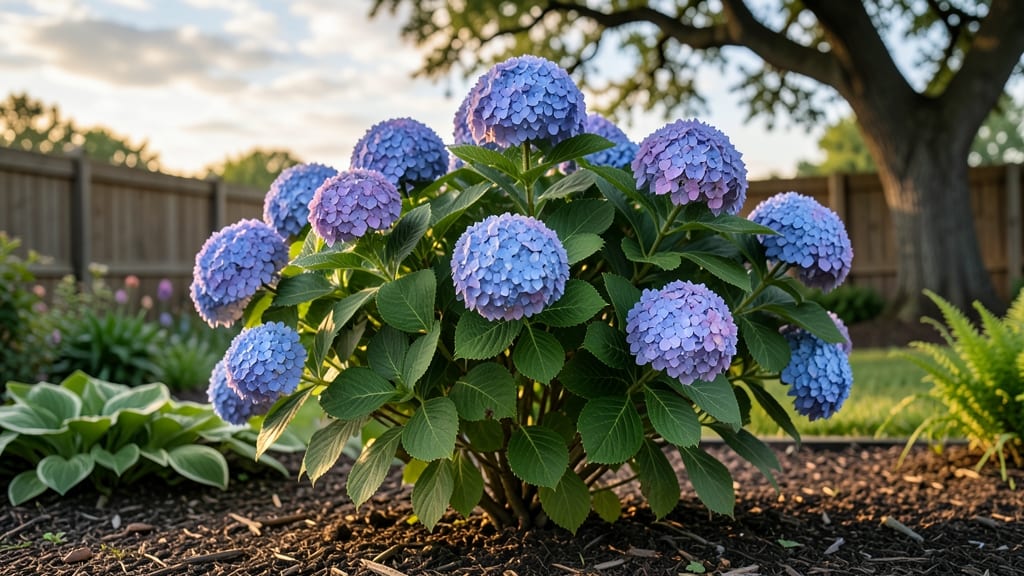
Endless Summer hydrangeas bloom on old wood—meaning their stunning 🌸 flowers form on last year’s growth, not this season’s. If you’ve ever pruned too late and ended up with sparse blooms, you’re not alone.
This hardy variety thrives when you respect its blooming cycle, but many gardeners accidentally cut back the buds that will become next year’s flowers. The key? Pruning at the right time—late winter or early spring—before new growth appears.
In this guide, I’ll explain how to identify old vs. new wood, the best tools for pruning, and what to do if you’ve already made a mistake. You’ll learn how to keep your Endless Summer hydrangea blooming year after year without sacrificing next season’s flowers.
Whether you’re a first-time gardener or a seasoned pro, these pruning secrets will help you avoid common pitfalls and enjoy continuous, lush blooms from June through September.
How Endless Summer hydrangeas bloom on old wood (and when to prune for maximum flowers)
Endless Summer hydrangeas are famous for their year-round blooms, but this magic happens because they bloom on old wood—the stems that grew the previous year. Unlike new-wood bloomers (like panicle hydrangeas), their flower buds form in late summer and winter on last year's growth. If you prune at the wrong time, you risk removing these precious buds before they bloom.
Understanding this blooming habit is key to keeping your hydrangea covered in flowers from early summer through fall. The secret lies in timing your prune to late winter or early spring, just as new growth begins but before buds swell.
This ensures you never accidentally cut off next year's blooms.
Here’s the catch: old wood looks different from new growth. Old wood is thicker, brown, and often has horizontal lenticels (tiny raised dots), while new growth is slender, green, and flexible. Confusing the two is how gardeners accidentally prune off flower buds.
| Feature | Old Wood (Blooms on This!) | New Growth (No Blooms Here) |
|---|---|---|
| Color | Brown or grayish-brown | Bright green |
| Texture | Thick, woody, rigid | Slender, flexible, tender |
| Lenticels | Visible (tiny raised dots) | None |
| Pruning Time | Late winter/early spring (before buds swell) | Summer (after blooms fade) |
| Bloom Location | At the ends of stems | No blooms (new wood bloomers only) |
The ideal pruning window for Endless Summer hydrangeas is February to early March, right after the last frost date in your zone. This timing ensures you cut back old wood before buds break dormancy but after the harshest winter cold has passed.
In warmer climates (zones 7-9), wait until late March to avoid frost damage.
If you prune too late—after April 15—you risk removing swollen flower buds that haven’t bloomed yet. These buds form in late summer on last year’s stems, so pruning after they swell means no flowers next season.
Think of it like waiting until after Christmas to decorate the tree—you’ve missed the best time!
Another common mistake is over-pruning. Endless Summer hydrangeas don’t need heavy pruning like new-wood varieties. Aim to remove 1/3 of the oldest stems each year to encourage new growth while preserving next year’s blooms.
Use clean, sharp pruners and make cuts just above a leaf bud or lateral branch to promote bushier growth.
To encourage maximum blooms, pair your pruning with balanced fertilization in early spring (use a 10-10-10 NPK formula). This gives your hydrangea the nutrients it needs to produce abundant flower buds on old wood. Avoid heavy nitrogen fertilizers, which promote leafy growth at the expense of blooms.
Pro tip: Mark your calendar for late winter pruning and snap a photo of your hydrangea’s structure before cutting. This helps you visualize where old wood ends and new growth begins, reducing the risk of accidental pruning mistakes.
A well-pruned Endless Summer hydrangea can produce 3-4 months of continuous blooms, making it a standout in any garden.
Remember, the goal is to preserve old wood while shaping the plant. With the right timing and technique, your Endless Summer hydrangea will reward you with vibrant flowers from summer through fall—and even into winter in mild climates! 🌸
Step-by-step guide: pruning Endless Summer hydrangeas for continuous blooms
Pruning your Endless Summer hydrangeas correctly is the secret to year-round blooms. Since these beauties bloom on old wood, timing and technique matter more than you might think. The wrong cut can mean fewer flowers next season—or even no blooms at all.
Let’s break it down so you can prune with confidence and enjoy those stunning lavender-blue flowers from spring to fall.
Before you grab your pruning shears, know that the best time to prune is late winter or early spring, ideally between February and March. This ensures you’re cutting back last year’s growth while leaving next year’s flower buds intact.
If you miss this window, don’t panic—we’ll cover how to recover later in this guide.
✂️ Bypass pruners (for clean cuts)
🧤 Gloves (to protect from thorns)
🧽 Disinfectant (to prevent disease)
🌿 Old wood: Last year’s brown stems with flower buds (swollen at the tips)
🌱 New wood: Current year’s green stems (no buds yet)
🪴 Light pruning: Trim 10-20% of old wood to shape
🌳 Heavy pruning: Cut back up to 1/3 of old wood if overgrown
❌ Dead wood: Dark, brittle stems (cut to base)
⚠️ Weak growth: Thin, spindly stems (prune to encourage stronger branches)
🧹 Remove debris from the base
🌿 Add mulch to retain moisture and protect roots
⏰ After July: Only prune dead or diseased wood
🌸 Never cut new growth with buds—wait until next winter!
If you’ve already pruned too late, don’t stress. Endless Summer hydrangeas are forgiving, but focus on removing dead wood and shaping the plant without cutting into next year’s buds.
The key is to avoid heavy pruning after July, as this removes the flower buds that form on new growth later in the season.
For light pruning, aim to shape the shrub while preserving at least 80% of last year’s growth. This encourages a fuller plant with more blooms.
If your hydrangea is overgrown, you can do a heavy prune in late winter, cutting back up to 1/3 of the oldest stems to the ground. Just remember: never prune more than 1/3 at a time, or you risk shocking the plant.
After pruning, give your hydrangea a light fertilizer to support new growth. Water deeply to help it recover, and keep an eye out for new buds forming by late spring. With the right care, your Endless Summer hydrangea will reward you with continuous blooms from summer through fall.