
Blooming
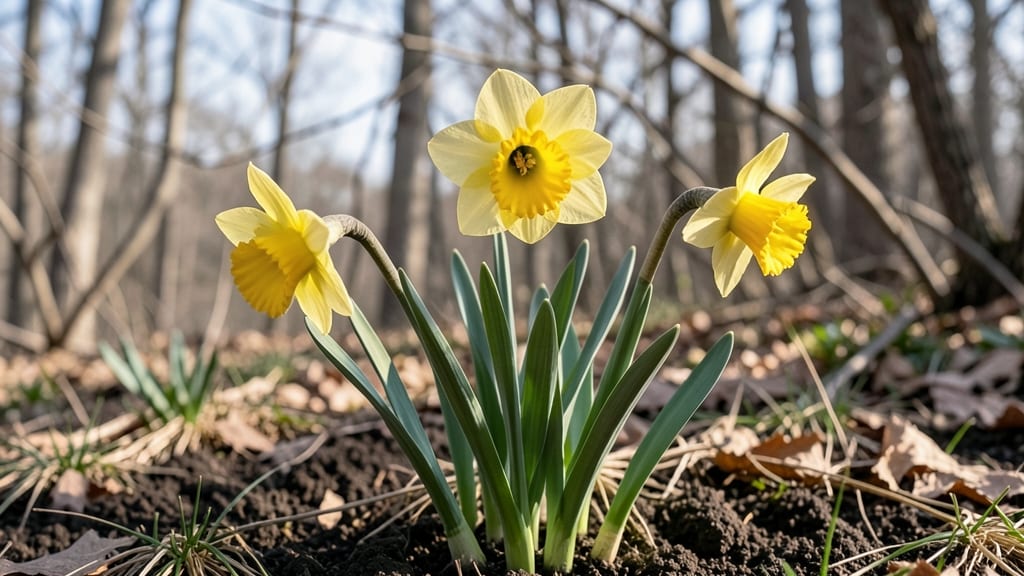
Daffodils in Michigan bloom between late March and early May, turning the state’s gardens into a cheerful yellow sea—but the exact timing depends on your USDA zone and the variety you’ve planted.
Picture this: you’ve just tucked those bulbs into the soil last fall, and now you’re waiting for that first 🌼 to pop through the snowmelt. The anticipation is real, but here’s the catch—whether you’re in Detroit or Traverse City, bloom dates can shift by weeks based on spring’s mood swings.
In southern Michigan (zones 5b-6a), early bloomers like ‘Ice Follies’ often greet March with their cheerful faces, while northern regions (zones 4a-5a) might not see their first daffodils until late April. That’s why knowing your zone—and a few pro tips—is the key to timing everything just right.
Below, I’ll break down the week-by-week bloom schedule for Michigan’s zones, share how to predict your local bloom date using weather patterns, and even recommend the best varieties for your short growing season. No more guessing—just beautiful, on-time blooms.
Michigan daffodil bloom timeline by USDA plant hardiness zones
Michigan's 6 USDA hardiness zones (4a through 6b) create dramatic differences in daffodil bloom timing. In Zone 6b (Detroit), early varieties may appear as soon as late February, while Zone 4a (Marquette) typically sees blooms in late April.
These variations occur due to elevation changes and lake-effect microclimates—especially near Lake Michigan and Lake Superior.
For accurate planning, I recommend checking your last frost date (typically April 15 in most zones) and adjusting expectations by 2-4 weeks depending on your specific location. Traverse City, for example, often blooms 1-2 weeks earlier than inland areas at the same latitude due to its proximity to Lake Michigan's warming influence.
| USDA Zone | Early Varieties | Mid-Season | Late Varieties | Key Cities |
|---|---|---|---|---|
| 6b | Late Feb - Early Mar | Mid Mar - Early Apr | Early - Mid Apr | Detroit, Ann Arbor |
| 6a | Early Mar - Mid Mar | Mid Mar - Late Mar | Late Mar - Early Apr | Grand Rapids, Kalamazoo |
| 5b | Mid Mar - Early Apr | Late Mar - Mid Apr | Mid - Late Apr | Traverse City, Petoskey |
| 5a | Early Apr - Mid Apr | Mid Apr - Late Apr | Late Apr - Early May | Houghton, Sault Ste. Marie |
| 4b | Late Apr - Early May | Early - Mid May | Mid - Late May | Marquette, Munising |
| 4a | Early - Mid May | Mid - Late May | Late May - Early Jun | Iron Mountain, Newberry |
The elevation effect is particularly noticeable in the Upper Peninsula. Areas like Marquette (Zone 4b) at 580 feet elevation often bloom 2 weeks later than coastal areas at the same latitude.
Meanwhile, Detroit's urban heat island can push early blooms 1 week sooner in city parks compared to rural Wayne County.
For gardeners in Zone 5a and below, I recommend planting early-blooming varieties like Ice Follies or Tête-à-Tête to ensure visible color before late spring frosts. These varieties typically bloom 2-3 weeks earlier than standard daffodils, making them ideal for northern Michigan's shorter growing season.
In Zone 6b, where blooms begin as early as late February, gardeners should plan for late winter mulching to protect emerging shoots from unpredictable cold snaps. A 3-inch layer of straw applied in November can extend bloom season by 1-2 weeks by insulating the soil.
Microclimates near large bodies of water create unique conditions. For example, Traverse City's proximity to Lake Michigan often results in warmer soil temperatures by March 15, allowing early blooms to appear 10-14 days sooner than inland areas just 20 miles away.
This lake-effect warming is most pronounced in Zone 5b.
Predicting daffodil blooms in Michigan isn't just about checking a calendar—it's about reading your local weather patterns. Michigan State University's historical data shows that spring temperatures and frost dates shift bloom times by weeks, especially between southern USDA Zone 5b and northern Zone 4a regions. By using the '13°F rule' and tracking key weather triggers, you can forecast when your daffodils will push through the soil with surprising accuracy. Daffodils need consistent soil temperatures of at least 50°F (10°C) for 2-3 weeks to trigger blooming. In Michigan, this typically happens between late March and early April in southern areas, but can delay until mid-to-late April in the Upper Peninsula. The '13°F rule' suggests that for every 13°F below average spring temperatures, expect a 5-day delay in blooming. This is especially useful when comparing your garden to Michigan's 30-year climate averages. To apply the '13°F rule', start by checking Michigan State University's climate maps for your USDA zone. For example, if your average spring temperature is 50°F but this year you're averaging 37°F, subtract 13°F to find the difference (13°F), then multiply by 5 days—that's an 8-day delay in blooming. This method works best when combined with tracking your garden's soil temperature using a soil thermometer (available at garden centers for ~$15). Another critical factor is microclimates. A south-facing slope in Zone 5b might bloom 2 weeks earlier than a north-facing yard just a mile away. Urban areas like Detroit often see earlier blooms due to the urban heat island effect, while rural Upper Peninsula gardens lag behind. To account for this, observe nearby landscaped areas (parks, highways) where daffodils are planted in similar conditions. Their blooms can serve as a local benchmark. For early bloomers like 'Ice Follies', expect flowers in late March to early April in southern Michigan if temperatures cooperate. Mid-season varieties (e.g., 'Tête-à-Tête') typically bloom 2-3 weeks later, while late bloomers (e.g., 'Poet') may not appear until mid-to-late May. Adjust your expectations by 1-2 weeks based on your local frost history—check the Michigan Weather and Climate website for your county's 30-year averages. Pro tip: Plant a test row of 5-10 bulbs in a visible spot near your home. Track the date leaves emerge and when buds form—this creates a personalized bloom calendar for future years. Over time, you'll notice patterns (e.g., "Our daffodils bloom the week after the cherry blossoms at the Detroit Institute of Arts"). Remember, daffodils are perennials, so they'll adjust to your local microclimate over time. The first year might be unpredictable, but by year two, your garden will sync with your neighborhood's blooms. Happy forecasting—and may your first daffodil appear just in time for your spring garden party! 🌼How to predict your local daffodil bloom date using Michigan weather patterns
🌱 Key Weather Triggers for Michigan Daffodil Blooms