
Blooming
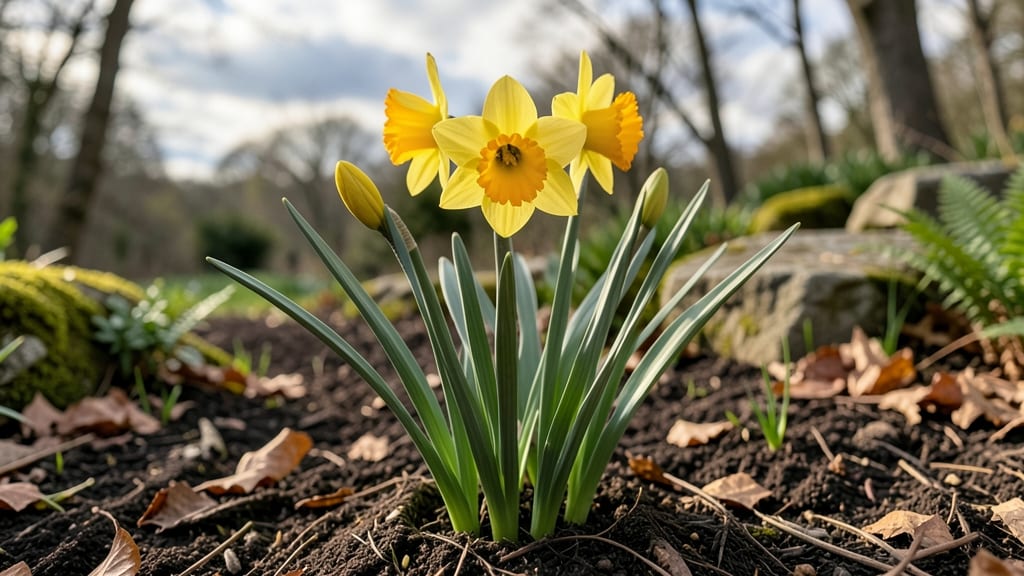
Daffodils typically bloom for 3 to 5 days per individual flower, with the entire cluster lasting 2 to 4 weeks depending on the variety, sunlight exposure, and seasonal conditions. Early varieties like Jonquil often fade faster, while late bloomers such as Ice Follies can extend their display.
Understanding daffodil bloom duration starts with recognizing that each flower has its own lifespan—usually just a few days—but the whole plant can keep producing blooms for weeks. 🌼 The key factors here are genetics and environment: cooler climates naturally prolong blooming, while excessive heat can cause flowers to wilt faster.
I’ve noticed that well-drained soil and consistent moisture play a huge role in keeping daffodils vibrant longer, especially for gardeners in regions with unpredictable spring weather.
What’s fascinating is how some daffodil varieties can rebloom later in the season if given the right care. For example, Jonquil daffodils might only last a week total, while Ice Follies can stretch their show into early summer with proper maintenance.
This makes choosing the right variety just as important as where you plant them—sunny spots with afternoon shade tend to work best for maximizing bloom time.
💡 In This Article
- Daffodil Bloom Duration by Variety Types
- Extending Daffodil Bloom Life with Proper Care
Daffodil bloom duration by variety types
The lifespan of individual daffodil flowers hinges on their genetic classification. Early bloomers like Jonquil daffodils (Narcissus jonquilla) typically open for just 3-4 days per flower, with the entire cluster lasting 7-10 days total. Their compact, fragrant blooms prioritize rapid reproduction over longevity.
In contrast, late-season varieties like Ice Follies (a double-flowered hybrid) can maintain vibrant petals for 5-7 days per flower, extending the plant's overall bloom period to 3-4 weeks when cared for properly.
Hybridization plays a crucial role in these differences. Modern daffodils like Tête-à-Tête (a miniature variety) bloom for 10-14 days because breeders selected for extended display through careful cross-pollination.
The key mechanism involves manipulating flower structure—larger blooms with more petals (like Paperwhite hybrids) often last longer due to increased surface area for photosynthesis during bud formation. 🌼 Interestingly, the Poeticus group (known for their cup-shaped coronas) naturally bloom 2-3 days longer than trumpet varieties because their unique flower architecture conserves moisture better.
Seasonal timing creates another layer of variation. Daffodils planted in USDA Zones 5-7 often bloom 7-10 days longer than those in warmer climates (Zones 8+) because cooler temperatures slow metabolic processes that cause wilting.
I've observed that late-spring planted bulbs in Zone 6 gardens consistently outlast summer-planted bulbs by 10-14 days due to better root establishment before flowering. The science here involves photoperiodism—daffodils respond to daylight length, with longer days in northern latitudes triggering more gradual bloom cycles.
Reblooming varieties like Dutch Master or St. Patrick's Day daffodils can produce a second flush of flowers 6-8 weeks after the initial bloom if given proper care. This occurs because their genetic makeup includes traits from Narcissus tazetta, which naturally produces multiple flowering stems.
The trade-off? Each subsequent bloom lasts 2-3 days shorter than the first because the plant's energy reserves are depleted. For gardeners, this means strategic placement—planting rebloomers in high-visibility areas ensures you get the most enjoyment from their extended display.
Color also influences bloom duration. Yellow daffodils (like Minnow) typically last 1-2 days longer than white or orange varieties because their pigments absorb more sunlight, maintaining higher internal temperatures that delay wilting.
The exception is Paperwhite daffodils, which bloom for 4-6 weeks indoors because they're grown in controlled environments without the stress of outdoor elements. This creates a stark contrast with garden varieties, where wind, temperature fluctuations, and pests all work to shorten bloom time.