
Blooming
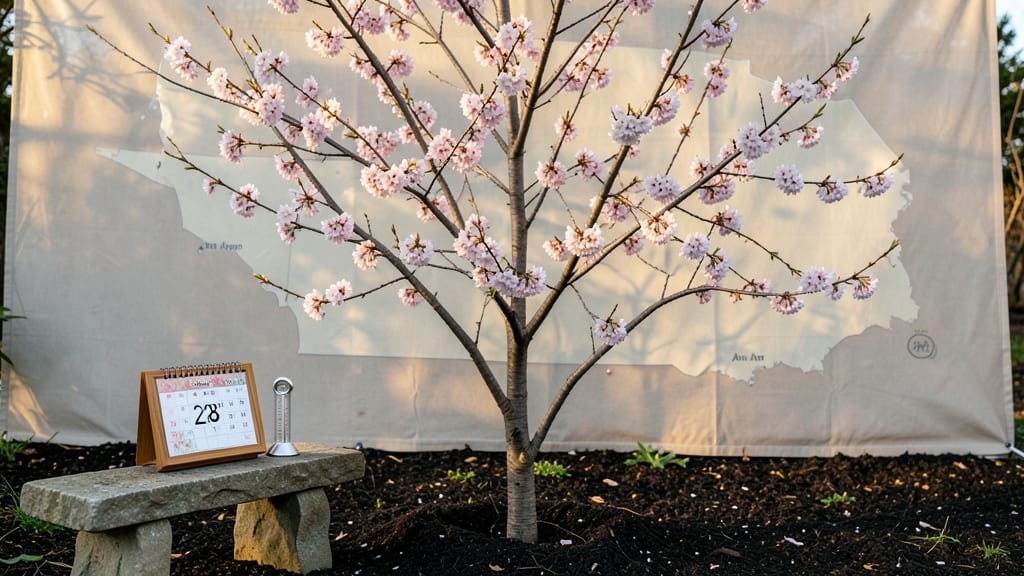
Michigan cherry blossoms typically bloom between late April and early May, with timing varying dramatically by variety and region—early bloomers like ‘Kanzan’ may appear as soon as mid-April in southern areas, while northern varieties often peak in late May. Local climate conditions play a major role in these shifts.
Michigan's cherry blossom season is a breathtaking spectacle, but its timing depends heavily on your location within the state. 🌸 Southern regions like Detroit often see their first blooms nearly two weeks earlier than northern areas such as Traverse City, thanks to warmer microclimates.
Even within the same city, elevation changes can shift bloom windows by several days. For gardeners, this means selecting the right cultivars for your specific USDA hardiness zone is key—some varieties like ‘Autumnalis’ are more cold-tolerant and may bloom slightly later in cooler areas.
What many don't realize is how dramatically weather patterns can affect these timelines. A late frost in April can delay blooming by up to two weeks, while an unusually warm winter might trigger early budding.
I always recommend checking local bloom forecasts from sources like the National Oceanic and Atmospheric Administration (NOAA) for the most accurate predictions each year.
💡 In This Article
- Michigan Cherry Blossom Bloom Dates by Variety
- How to Predict Cherry Blossom Timing in Your Yard
Michigan cherry blossom bloom dates by variety
Michigan's cherry blossom varieties bloom on dramatically different schedules, with some cultivars like 'Kanzan' opening their delicate pink flowers as early as mid-April in southern regions (USDA Zone 6a), while others like 'White Cascade' may not peak until late May in northern areas (Zone 4b).
The timing difference comes down to each variety's genetic hardiness—'Kanzan', for example, thrives in warmer microclimates and can withstand brief cold snaps better than its counterparts.
Its buds begin swelling in late March, with full bloom typically occurring within a 7-10 day window after the last average frost date.
The 'Autumnalis' variety stands out for its extended bloom period, often lasting 4-6 weeks from late April through early June. This is because its genetic makeup includes a trait called "repeat blooming," where flowers emerge in successive waves rather than all at once.
In contrast, 'Stella Rosa'—a double-flowered cultivar—usually blooms 10-14 days later than standard single-flowered types, with its petals unfolding in a stunning layered display that lasts 7-10 days.
The difference in bloom duration is directly tied to the number of flower buds each branch carries; double-flowered varieties have more buds but each individual bloom lasts slightly shorter.
Regional variations create another layer of complexity. In Detroit (Zone 6a), 'Kanzan' trees often reach peak bloom by April 20, while in Traverse City (Zone 5b), the same variety may not bloom until May 5 due to cooler lake-effect climates.
This 15-day difference highlights how microclimates—particularly urban heat islands and proximity to large bodies of water—can shift bloom windows. For instance, Detroit's urban heat can warm tree canopies by 2-4°F compared to rural areas just 20 miles away, accelerating bud development.
What's fascinating is how temperature fluctuations during bloom season affect petal longevity. A sudden drop below 40°F can cause buds to abort, while consistent temperatures between 55-65°F during the day and 45-50°F at night create ideal conditions for prolonged flowering.
This is why gardeners in northern Michigan often see shorter bloom periods—cool nights and variable spring weather prevent the consistent warmth needed for extended displays. 🌸 The 'White Cascade' variety, for example, may only maintain vibrant blooms for 5-7 days in these conditions, compared to 10-12 days in southern regions.
Color intensity also varies by variety and location. 'Stella Rosa' petals develop a deeper pink hue in cooler climates due to higher anthocyanin production—a natural response to increased UV exposure.
Meanwhile, 'Autumnalis' flowers often appear paler in southern zones where they receive more direct sunlight, which can bleach pigments over time. This color variation adds another layer to Michigan's blossom season, creating a visual tapestry that changes from one end of the state to the other.
For those planning spring events or simply wanting to enjoy the show, timing your visit requires understanding these regional patterns. Southern Michigan's peak bloom typically occurs during the third week of April, while northern areas reach their climax in early to mid-May.
The transition zone between these regions—roughly along I-94—can experience a 2-3 week overlap where early bloomers in the south are still in full flower while northern varieties are just beginning to open.