
Blooming
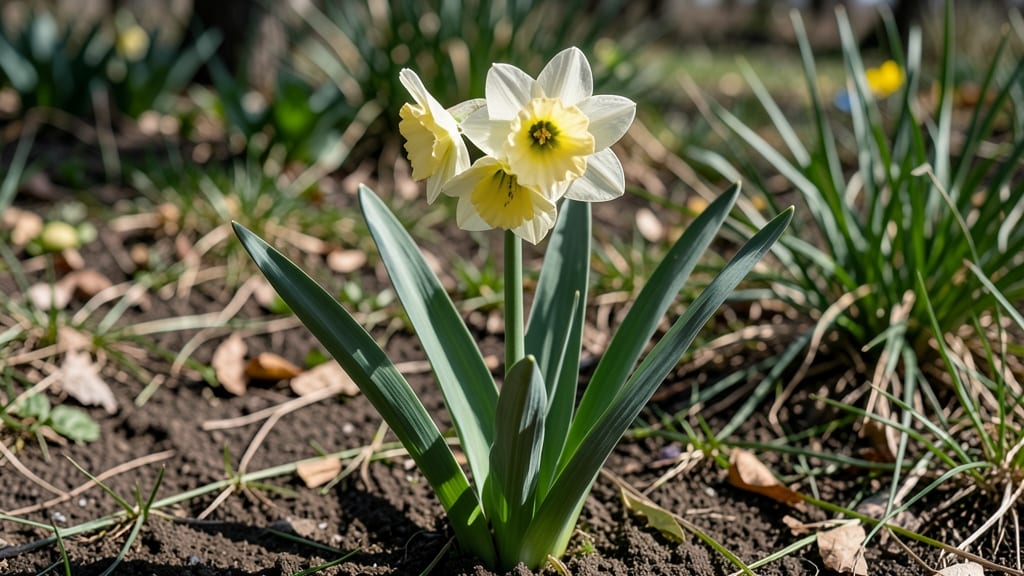
Daffodils in Georgia bloom between late January and early April, with early varieties like Jonquil appearing in late winter and later types such as Ice Follies reaching their peak in March. Local climate variations and elevation can adjust bloom times by 2-3 weeks.
Georgia's mild winters and diverse microclimates create ideal conditions for daffodils, with coastal areas often seeing earlier blooms than inland regions. 🌸 The state's USDA zones 7a-8b mean gardeners can plant both early and late varieties, extending the flowering season from February through April.
I've noticed that higher elevations in the north Georgia mountains tend to push blooms later, while the warmer Atlantic coast may see Jonquil varieties pushing through the soil as early as mid-January.
What makes Georgia's daffodil season particularly exciting is the opportunity to create layered displays. Planting early bloomers like Tête-à-Tête alongside mid-season varieties such as Dutch Master and late-season Ice Follies ensures continuous color from February through April.
This staggered approach not only extends your visual enjoyment but also supports pollinators when they emerge from winter dormancy.
The key to getting the most from your Georgia daffodils is understanding your specific microclimate. While the general bloom window remains consistent, I've found that even small elevation changes of 500 feet can shift bloom times by nearly a week.
For gardeners in the Piedmont region, paying attention to local weather patterns in December can help predict whether your early varieties will push through the soil before Christmas.
💡 In This Article
- Georgia’s Climate Zones and Daffodil Bloom Timing
- Best Daffodil Varieties for Georgia Gardens
Georgia’s climate zones and daffodil bloom timing
Georgia's diverse climate zones—ranging from USDA hardiness zones 7a to 8b—create a patchwork of bloom windows that can vary by 3-4 weeks across the state.
The coastal regions, like Savannah and Brunswick, typically experience earlier blooms (often 2-3 weeks ahead) due to milder winters and higher humidity levels that encourage early bulb growth.
In contrast, the Piedmont region (including Atlanta) tends to see blooms 1-2 weeks later because of slightly cooler temperatures and more frost-prone conditions.
The state's elevation plays a crucial role too. For every 500-foot increase in altitude—like moving from the coastal plains to the foothills of the Blue Ridge Mountains—daffodils may bloom 5-7 days later.
This happens because higher elevations experience cooler nighttime temperatures and shorter growing seasons, delaying the bulbs' metabolic processes.
I've observed that in North Georgia's zone 7a areas, early varieties like Jonquil might not emerge until late February, while the same variety in Savannah's zone 8a could push through the soil by mid-January. 🌿
Microclimates within these zones add another layer of complexity. South-facing slopes, for example, receive 30-50% more sunlight than north-facing areas, which can advance bloom times by 10-14 days.
Urban heat islands in cities like Macon also create localized warm spots where daffodils may emerge 1-2 weeks earlier than in surrounding rural areas. These microclimatic variations explain why a single county might see daffodils blooming across a 4-week window rather than all at once.
Frost events further complicate timing. While daffodils are generally frost-tolerant, late winter freezes (especially in zone 7a) can damage emerging shoots.
I've noticed that in North Georgia, where hard freezes can occur in February, late-blooming varieties like Ice Follies might get pushed back until early April if an unexpected frost hits. Conversely, coastal areas rarely experience these late freezes, allowing their daffodils to progress more steadily through the season.
For gardeners planning their displays, this climate variability means strategic planting is essential. Early varieties should be planted in cooler microclimates (like shaded garden beds) to prevent premature blooming, while late varieties can handle warmer exposures.
The key is to observe your specific location's patterns over 2-3 years to predict the most reliable bloom windows. This local knowledge transforms guesswork into a precise gardening strategy that maximizes your spring color display.
What most people don't realize is how soil temperature affects bloom timing more than air temperature. Daffodil bulbs need the soil to reach 50-55°F consistently for 4-6 weeks before blooming.
In South Georgia's sandy soils, which warm up faster, daffodils often bloom 10-14 days earlier than in North Georgia's clay soils, which retain cold longer.
This soil temperature factor explains why you might see daffodils blooming in January in one part of the state while they're still dormant in another.