
Blooming
Your summer garden can be a riot of color that lasts from June through September—if you plant the right sun-loving stars. 🌻 I’ve spent years testing which plants deliver bold, long-lasting blooms even when temperatures climb, and these are the ones that never disappoint, from classic roses to zesty zinnias.
The secret isn’t just choosing heat-tolerant varieties—it’s pairing them with the right sunlight (6+ hours daily) and water (deep soaks, not frequent sprinkles). My go-to list includes sunflowers that tower over fences, black-eyed Susans that thrive in poor soil, and lantana that hummingbirds can’t resist.
Each one handles the midday heat better than your average petunia.
By mid-July, your garden will be a nonstop show of vibrant blooms that keep coming back week after week. The key is mixing early bloomers (like coreopsis) with late-season stars (like cosmos) so color never fades—even when the humidity spikes. No dead zones here.
Works for full sun yards, container gardens, or even small urban patios. Here’s the lineup that turns my garden into a summer paradise—no fancy skills required.
Nature’s Summer Bloom Trigger
Summer isn’t just a season—it’s a biological performance put on by plants that have mastered the art of timing. But why do certain species burst into color and fragrance while others stay dormant?
The answer lies in a perfect storm of environmental cues, evolutionary adaptations, and internal clocks. Let’s break down the science behind why summer becomes the prime time for blooms.
Plants are photoperiodic, meaning they respond to day length (photoperiod) and temperature shifts. As summer arrives, two key factors kick into gear:
- Longer Daylight Hours 🌞: Many summer-blooming plants are long-day plants, triggered by 14+ hours of daylight. This signals their florigen genes to activate, prompting flower development. Think of it like a countdown timer: once the sun stays out long enough, the plant gets the memo—“It’s time to bloom!”
- Warmer Temperatures 🔥: Heat isn’t just comfortable for us—it’s a metabolic accelerator for plants. Higher temps speed up photosynthesis, giving flowers the energy they need to grow. Plus, warmth often coincides with vernalization (a cold period followed by heat), which breaks dormancy in bulbs like dahlias or gladiolas.
Pro Tip: 💡 If you’re growing summer bloomers in cooler climates, consider using grow lights to extend daylight or choose heat-tolerant varieties like Lantana or Zinnias, which thrive in both sun and warmth.
Summer’s heat also dictates water availability, and plants have evolved to bloom when conditions are just right—not too dry, not too soggy. Here’s how:
- Moderate Moisture Triggers 💧: Many summer flowers (like Marigolds or Sunflowers) prefer well-drained soil but consistent moisture. Too little water = stressed plants; too much = root rot. Their blooming cycle syncs with the “goldilocks zone” of summer rains or irrigation.
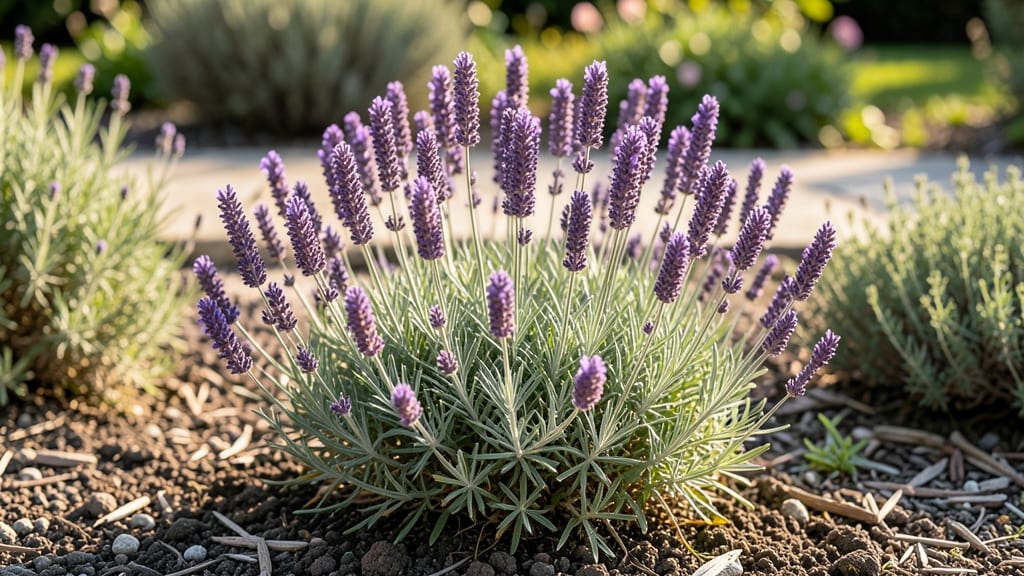
- Drought-Resistant Adaptations 🏜️: Plants like Lavender or Russian Sage bloom in summer because they’ve evolved to conserve water while still flowering. Their deep roots access moisture, and their waxy leaves reduce evaporation—perfect for hot, dry spells.
Actionable Tip: ✨ Mulch around summer bloomers to retain moisture without overwatering. A 2–3 inch layer of organic mulch (like straw or wood chips) keeps roots cool and hydrated.
Not all summer bloomers are created equal—some are opportunists, while others play the long game. Here’s why their timing matters:
- Pollinator Partnerships 🐝: Bees, butterflies, and hummingbirds are most active in summer. Plants like Coneflowers or Bee Balm time their blooms to coincide with peak pollinator activity, ensuring reproduction. It’s a symbiotic arms race: bright colors and sweet nectar = more visitors = more seeds.
- Seed Dispersal Timing 🌬️: Summer’s winds and animal activity help spread seeds. Milkweed, for example, blooms in late summer when monarch butterflies are migrating—giving them a free ride to new habitats. Others, like Poppies, release seeds when dry summer winds can carry them far.
- Competitive Advantage 🏆: By blooming in summer, plants avoid competition with spring ephemerals (like Bloodroot) or fall-bloomers (like Chrysanthemums). They dominate the “flowering stage,” securing sunlight, space, and pollinators before cooler months arrive.
Fun Fact: Some plants, like Four o’clocks, only open their flowers in the late afternoon—another evolutionary trick to attract night-flying moths while avoiding daytime predators!
While nature sets the stage, gardeners and landscapers can tweak the timing with a few tricks:
- Pruning and Pinching ✂️: Removing spent blooms (deadheading) or trimming back leggy growth can extend the blooming season. For example, pinching back Petunias in early summer encourages bushier, longer-lasting flowers.
- Fertilizer Timing 🌱: A slow-release, phosphorus-rich fertilizer (like 5-10-5) in early spring gives plants the energy to bloom in summer. Too much nitrogen = lush leaves, but fewer flowers.
- Soil pH and Amendments 🧪: Some summer bloomers (like Hydrangeas) are pH-sensitive. Adjusting soil acidity (lower pH for blues, higher for pinks) can boost flower production and vibrancy.
Pro Tip: 🔥 For container gardens, use self-watering pots to prevent moisture stress—summer heat can dry out potted plants twice as fast as in-ground ones.
So next time you’re admiring a Sunflower or Lily in full summer glory, remember: it’s not just luck. It’s millions of years of biological strategy, fine-tuned by heat, light, and a little help from gardeners like you. 🌻
Revitalize Your Summer Garden Now
Summer’s vibrant blooms aren’t just about luck—they’re the result of intentional care. If your garden isn’t bursting with color, don’t worry! These practical solutions will help you troubleshoot common issues and keep your sun-loving plants thriving all season long.
From soil prep to pest control, we’ve got you covered with easy fixes and prevention tips.
If your plants wilt despite regular watering, soggy soil could be the culprit. Poor drainage suffocates roots and invites fungal diseases, stunting growth and blooms.
🔧 Solutions:- Amend the soil: Mix in organic matter like compost, perlite, or coarse sand to improve aeration. Aim for a 50/50 blend of existing soil and amendments for optimal results.
- Raise plant beds: Elevate containers or create slight mounds in garden beds to encourage water runoff. Use raised planters or add a layer of gravel beneath pots.
- Test your soil: A simple pH test kit (under $10) will reveal if your soil is too dense. Aim for a pH of 6.0–7.0 for most summer bloomers.
Before planting, dig a hole and fill it with water. If it drains slower than 4 hours, your soil needs help. Pro tip: Add a 2-inch layer of mulch (like pine bark) to retain moisture without compacting the soil.
Some summer plants—like zinnias or marigolds—need 6+ hours of direct sunlight daily to bloom. Shady spots or afternoon shade can leave them struggling.
🔧 Solutions:- Relocate plants: Move containers to sunnier spots or transplant garden plants to areas with unobstructed light. Watch for leaf scorch (brown edges) as a sign they’re getting too much sun—adjust gradually.
- Prune nearby trees/shrubs: Trim overhanging branches to let light reach your bloomers. Just avoid heavy pruning in late summer, which stresses plants.
- Choose sun-tolerant varieties: Swap out shade-loving plants (like impatiens) for heat-proof picks like lantana or black-eyed Susans.
Install a sun gauge (or use a free app like Sun Surveyor) to track light levels in your garden. Pro tip: East-facing beds get morning sun—ideal for heat-sensitive plants like petunias.
Overwatering or underwatering are the top killers of summer flowers. Too much = root rot; too little = wilting. Strike the right balance!
🔧 Solutions:- Water deeply but infrequently: Soak the soil 6 inches down 2–3 times per week (early morning is best). Use a moisture meter ($15) to check—aim for damp, not soggy.
- Upgrade your irrigation: Drip systems or soaker hoses deliver water to roots without wetting leaves (reducing fungal risks). Avoid overhead sprinklers during peak sun.
- Group plants by needs: Cluster drought-tolerant plants (like lavender) together and water them less frequently than thirsty bloomers (like cosmos).
Mulch heavily (3–4 inches) to lock in moisture. Pro tip: Use straw for veggie gardens and wood chips for perennials—both suppress weeds and retain humidity.
Bees and butterflies aren’t the only visitors—aphids, spider mites, and Japanese beetles can devour your blooms overnight. Break the cycle naturally.
🔧 Solutions:- Introduce beneficial insects: Ladybugs and lacewings eat aphids. Buy them online or attract them with neem oil-treated plants.
- Spray homemade remedies: Mix 1 tsp dish soap + 1 quart water in a spray bottle for soft-bodied pests. For stubborn beetles, try kaolin clay (a natural repellent).
- Handpick pests: Drop Japanese beetles in soapy water or shake off aphids with a strong stream of water. Do this in the early morning when pests are sluggish.
Plant companion flowers like marigolds or basil near vulnerable plants—their scents repel pests. Pro tip: Rotate crops annually to starve soil-borne pests.
With these fixes, your summer garden will be a non-stop showstopper. Start with one or two solutions this week, and watch your blooms rebound in days! For extra flair, add a slow-release fertilizer (like Osmocote) to feed plants all season.
Frequently asked questions
What are the easiest summer flowers for beginners?
Start with zinnias or marigolds—they thrive in heat, bloom nonstop, and forgive occasional watering mistakes. Sunflowers are another great pick since they grow fast and attract pollinators. All three handle poor soil better than fussy annuals like petunias.
Can I grow summer bloomers in containers?
Choose compact varieties like dwarf sunflowers or bachelor's buttons for pots. Use well-draining soil with a slow-release fertilizer, and place containers where they get 6+ hours of sunlight. Just water more frequently than in-ground plants—they dry out faster.
How do I keep summer flowers blooming all season?
Deadhead spent blooms weekly to encourage new growth, and feed plants every 4-6 weeks with a low-nitrogen fertilizer (like 5-10-5). Mulch heavily to retain moisture, and avoid overwatering—most summer flowers prefer dryer conditions than soggy soil.
Which summer flowers attract the most pollinators?
Top picks for bees, butterflies, and hummingbirds include coneflowers, bee balm, and butterfly bush. Plant them together for a buzzing garden! Even lavender attracts beneficial insects while repelling pests. Avoid double-flowered varieties—they often lack nectar.
What's the best way to extend summer blooms into fall?
Choose late-season varieties like cosmos or goldenrod, which naturally bloom later. Prune back leggy growth in early fall, and fertilize lightly with phosphorus to boost flowering. In cooler climates, move tender plants like geraniums to containers and bring them indoors before frost.