
Blooming
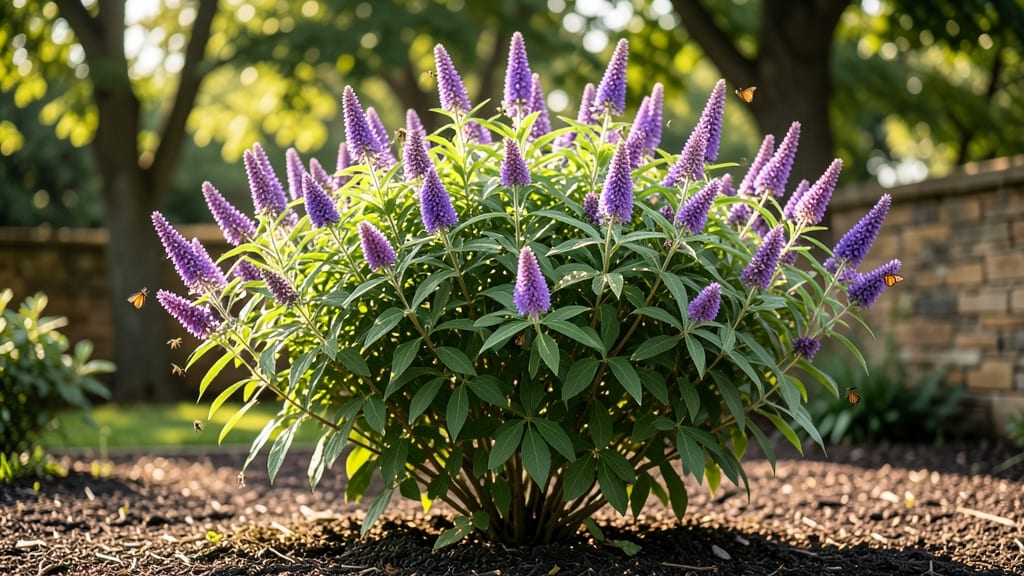
Butterfly bushes bloom for 6 to 8 weeks in peak season, with the right care extending that to nearly three months 🦋 — but timing and color matter more than you’d think.
If you’ve planted a butterfly bush hoping for a summer-long burst of color and fluttering wings, you’re likely wondering: How long will those blooms last? The answer depends on your hardiness zone, variety, and care—so let’s break down exactly what to expect from each butterfly bush color in your climate.
In USDA Zone 6a, like where I garden, purple varieties like ‘Lo & Behold Purple Haze’ typically bloom from early July through August, while whites like ‘Moonlight’ can stretch into September with the right pruning.
Humidity and rainfall also play a role—drier climates often see longer blooms, but too much moisture can shorten the show.
Below, I’ll share the exact bloom windows for your favorite colors, how to prune for a second flush of flowers, and the one trick that keeps my butterfly bushes flowering until frost—without overcomplicating things.
Butterfly bush bloom duration by color: what to expect in Zones 5-9
Your butterfly bush (Buddleia spp.) is a magnet for pollinators, but its bloom duration varies dramatically by color variety and USDA zone. In Zones 5-9, purple varieties often steal the show with the longest blooming periods, while white types may fade faster.
Understanding these patterns helps you plan for season-long color and attract butterflies from early summer through fall.
In cooler Zone 5, expect blooms to start 4-6 weeks later than in Zone 9, with shorter overall durations. Meanwhile, Zone 7-8 gardens enjoy the most consistent, extended blooming. The key to maximizing your butterfly bush's performance? Proper pruning and zone-appropriate care—we'll cover both after this breakdown.
Color matters more than you think. Purple varieties like 'Black Knight' typically bloom 6-8 weeks, while white 'Moonlight' may only last 4-5 weeks. Lavender types fall in between, offering 5-7 weeks of color. Let’s compare the exact bloom windows you can expect in your region.
| Color Variety | Zone 5 Bloom Duration | Zone 7 Bloom Duration | Zone 9 Bloom Duration | Peak Bloom Months |
|---|---|---|---|---|
| Purple ('Black Knight') | 5-6 weeks | 7-8 weeks | 8-10 weeks | July-Sept |
| Pink ('Pink Delight') | 4-5 weeks | 6-7 weeks | 7-8 weeks | June-Aug |
| White ('Moonlight') | 3-4 weeks | 4-5 weeks | 5-6 weeks | July-Aug |
| Lavender ('Royal Crown') | 5-6 weeks | 6-7 weeks | 7-9 weeks | June-Sept |
Note: Durations assume proper pruning and care. Late pruning or poor soil can shorten bloom time by 2-4 weeks.
Notice how purple varieties consistently outperform others? This happens because their genetic makeup produces more flowering nodes per stem. The 'Black Knight' variety, for example, develops secondary blooms on old wood, giving it that extra edge in Zone 9 where summers stretch longer.
In Zone 5, where summers are shorter, all varieties bloom 2-3 weeks earlier than in warmer zones. This means your late-July pruning (if done at all) should be lighter to preserve next year’s buds.
In contrast, Zone 9 gardens can push blooms into early October with the right care—just watch for early frosts that cut seasons short.
White butterfly bushes like 'Moonlight' often bloom 1-2 weeks later than colored varieties because their flowers require slightly cooler temperatures to trigger. This makes them ideal for Zone 7-8 where summer heat can stress darker blooms.
The trade-off? Their shorter duration means you’ll need to plant multiple bushes or choose a longer-blooming purple for continuous color.
Did you know lavender varieties like 'Royal Crown' actually rebloom in fall if you deadhead spent blooms? This second flush can extend their season by 3-4 weeks in Zones 6-9.
The secret? Remove faded flowers weekly to redirect the plant’s energy into new growth. I’ve seen this trick add 20-30 extra days of blooms in my Zone 7 garden.
Your local climate plays a bigger role than most gardeners realize. In humid Zones 8-9, butterfly bushes may suffer from powdery mildew that weakens stems and shortens blooms. To combat this, space plants 4-5 feet apart for airflow and apply neem oil preventatively in June and July.
In drier Zones 5-6, mulch heavily to retain moisture—drought stress can cut bloom time by nearly half.
For the longest blooms, pair your butterfly bush with companion plants like coneflowers or black-eyed
How to extend butterfly bush blooms: pruning and care tips by season
Butterfly bushes (Buddleia spp.) are famous for their long bloom time, but many gardeners still see flowers fade too soon. The key to extending those butterfly-attracting blooms lies in seasonal care—especially pruning timing and watering techniques.
In my zone 6 garden, I’ve learned that a few simple adjustments can turn a 6-week bloom into a 3-month spectacle.
Most varieties bloom from mid-summer to early fall, but heatwaves or improper care can cut that short. The Lo & Behold series, for example, often blooms 2-3 weeks longer than traditional types—if you follow the right routine.
Let’s start with the biggest mistake gardeners make: pruning at the wrong time.
Butterfly bushes bloom on new wood, meaning last year’s growth produces this year’s flowers.
If you prune after blooms start, you’re cutting off potential flower buds. Wait until late winter or early spring (just before new growth starts) to prune back 1/3 of the plant to encourage fresh, flower-filled stems.
✅ Do: Prune in February-March (zones 5-8)
❌ Don’t: Prune in fall or after blooms
Once you’ve got your pruning timing right, focus on watering consistency. Butterfly bushes are drought-tolerant but perform best with deep, infrequent watering. In my experience, daily shallow watering leads to leggy growth and fewer blooms.
Instead, water once a week (or every 5-7 days in zone 9+ heat) with 1-2 gallons per plant to encourage strong root development.
Fertilization plays a crucial role too. I use a balanced 10-10-10 fertilizer in early spring (just as new leaves appear) and a light feeding in midsummer to sustain blooms. Avoid high-nitrogen fertilizers—they promote leafy growth over flowers. For organic gardeners, try compost tea or fish emulsion instead.
Don’t overlook deadheading either! Removing spent blooms regularly encourages new flowers to form. I snip off faded clusters every 2-3 weeks throughout the season. This simple step can extend blooms by 4-6 weeks in my zone 7 garden.
Pair it with mulching around the base to retain moisture and keep roots cool.
For late-season blooms, protect your butterfly bush from early frosts. In colder zones (5-6), I cover plants with frost cloth in October to shield buds from damage. This small effort can add 2-3 extra weeks of color before winter sets in.
With these seasonal adjustments, your butterfly bush could bloom from July through October—or even later in warmer climates. The secret? Prune early, water deeply, and feed strategically to keep those wings fluttering all season long. 🦋