
Blooming
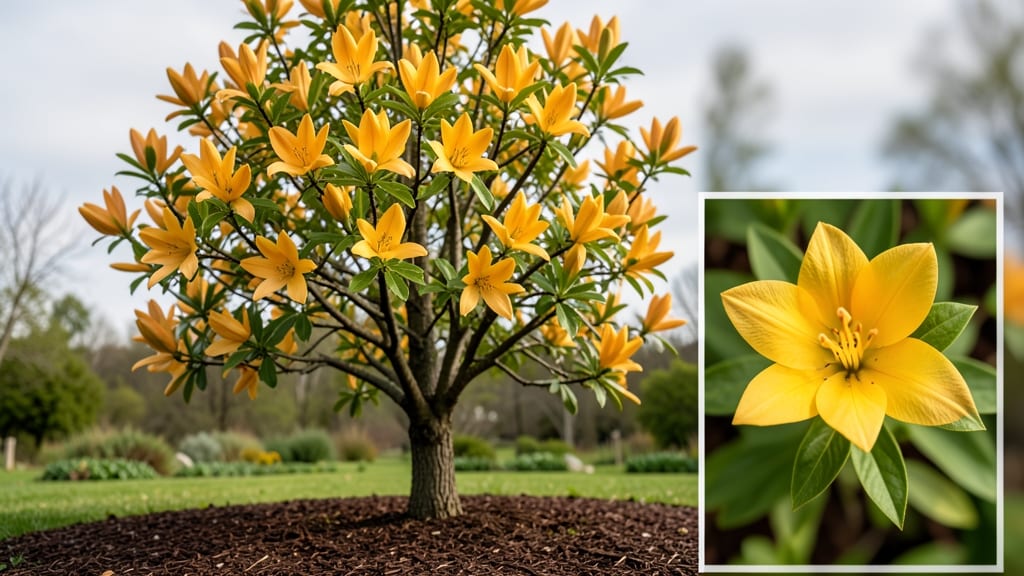
The tulip poplar bloom time is your golden ticket to one of spring’s most stunning shows 🌳—those tulip-shaped flowers that light up yards from late April to early May.
If you’ve ever wondered why tulip poplars steal the show in early spring, you’re about to discover the secret behind their breathtaking bloom time—and how to ensure your own trees put on a similar spectacle.
Timing is everything, and while most tulip poplars bloom between late April and early May, your local climate and tree age can shift that window by weeks. Warmer zones like the South might see blooms as early as March, while cooler areas could push them into June.
Below, I’ll break down exactly when to expect those showstopping flowers, how to spot them before they open, and simple steps to encourage bigger, brighter blooms year after year.
When do tulip poplars bloom? Exact timeline and regional variations
If you’ve ever wondered why tulip poplars steal the show in early spring, you’re about to discover the secret behind their breathtaking bloom time—and how to ensure your own trees put on a similar spectacle.
These majestic trees, known for their tulip-shaped flowers, typically bloom in late April to early May across most of the United States. However, the exact timing can shift depending on your USDA hardiness zone and local climate conditions.
The tulip poplar bloom window is one of the most anticipated events in spring gardening. Their vibrant yellow-green flowers appear before the tree fully leafs out, creating a stunning visual contrast.
Understanding the regional variations in bloom timing helps you plan your garden visits or even coordinate plantings to extend the floral display.
Here’s a quick reference for tulip poplar bloom times across different USDA zones, along with key factors that influence when your tree will burst into color:
| USDA Zone | Typical Bloom Time | Climate Factors | Signs of Blooming |
|---|---|---|---|
| Zones 3-4 | Mid-May to early June | Cooler springs delay blooms | Bud swelling in April |
| Zones 5-6 | Late April to early May | Moderate temperatures ideal | Flowers open by May 1 |
| Zones 7-8 | Early to mid-April | Warmer winters may advance blooms | Bud break in March |
| Zones 9-10 | Late March to April | Mild winters may cause early blooms | Flowers appear before leaves |
In USDA Zones 5-6, where tulip poplars thrive, you can expect the peak bloom period to occur around May 1st. However, if you live in warmer southern zones (7-10), your tree might start flowering as early as late March.
Conversely, in cooler northern zones (3-4), blooms often arrive in mid-May or even June.
Climate plays a crucial role in bloom timing. A warmer-than-average winter can trick the tree into blooming earlier, while a late frost might delay or damage buds.
For example, in Zone 7, a mild winter could push blooms into early April, while a harsh winter might push them back to mid-May. Pay attention to your local last frost date—tulip poplars are sensitive to cold snaps after buds form.
Young tulip poplars may take 3-5 years to produce flowers, while mature trees (over 20 years old) bloom more reliably. If your tree is older than 10 years but hasn’t bloomed yet, check for adequate sunlight (they need full sun) and well-draining soil.
Poor soil or shade can delay or prevent flowering entirely.
To predict blooms, watch for bud swelling in late winter. The buds appear as small, greenish bumps on the branches. Once they reach pea-sized, flowering is just 2-4 weeks away. In Zone 6, for instance, if buds swell by mid-April, expect flowers by early May.
Keep an eye out for yellow-green flower clusters hanging from the branches—this is your cue that the show is about to begin!
If you’re eager to see tulip poplars in bloom, plan a visit to local parks or arboretums where mature specimens thrive. Their flowers are a short-lived spectacle, lasting only 1-2 weeks, so timing your visit is key.
For gardeners, this is also the perfect time to prune dead branches or fertilize lightly to encourage next year’s blooms.
Pro tip: If your tree blooms late or sparsely, consider early spring fertilization with a balanced 10-10-10 mix to boost energy for flowering. Just remember—tulip poplars are fast-growing trees, so avoid heavy fertilization, which can promote leafy growth over flowers.
How to identify tulip poplar flowers: visual guide to their unique bloom
Tulip poplar flowers are one of spring’s most distinctive sights, with their pendulous, tulip-shaped blooms that dangle like nature’s chandeliers. These yellow-green flowers appear before the tree’s broad, blue-green leaves, creating a striking contrast.
Spotting them early helps you appreciate their fleeting beauty—typically lasting just 2-3 weeks—before they transition into seed pods.
Unlike many trees, tulip poplars bloom on new wood, meaning flowers emerge from the previous year’s growth. This unique trait makes their blooms appear earlier than you might expect, often late April to early May in most U.S. regions.
Younger trees may bloom slightly later, while mature specimens put on a more dramatic show. Look for clusters of 6-12 flowers per stem, each about 1.5–2 inches long, with 6 petal-like tepals and a central orange stripe.
| Feature | Tulip Poplar (Liriodendron tulipifera) | Linden (Tilia) | Magnolia (Magnolia) |
|---|---|---|---|
| Bloom Time | Late April–early May | June–July | March–April (varies by species) |
| Flower Shape | Pendulous, tulip-shaped | Flat-topped clusters | Cup-shaped or rounded |
| Color | Yellow-green with orange stripe | Creamy white | Pink, purple, or white |
| Leaf Appearance | Blue-green, 4-lobed (after blooms) | Heart-shaped, smooth edges | Leathery, evergreen or deciduous |
| Bloom Stage Duration | 2–3 weeks | 3–4 weeks | 1–2 weeks (varies) |
To distinguish tulip poplar flowers from leaves, focus on their early emergence. Flowers appear before leaves unfurl, often in late April, while leaves only develop after blooming. The 4-lobed leaves (resembling a tulip’s shape) emerge later, with smooth edges and a pointed tip.
If you see dangling yellow-green blooms on bare branches, you’ve found a tulip poplar—no leaves needed!
During peak bloom, tulip poplar flowers hang in dense clusters, creating a cascading effect that’s hard to miss. Each flower has 6 tepals (petal-like structures) and a central orange stripe, which sets them apart from similar trees.
After blooming, flowers give way to cone-like seed pods that persist through summer, adding another layer of interest to the tree’s seasonal display.
If you’re unsure whether you’re looking at a tulip poplar, compare it to linden or magnolia trees. Lindens bloom in summer with flat-topped clusters, while magnolias flower in early spring but have cup-shaped blooms and leathery leaves.
Tulip poplars are the only tree with pendulous, tulip-shaped flowers that appear before leaves—making them a standout in any landscape.
Pro tip: Take a close look at the flower’s base. Tulip poplar blooms grow directly from the previous year’s wood, while many other trees produce flowers on new growth.
This detail can help confirm your ID, especially if you’re spotting blooms in late winter or early spring before leaves emerge.